
In Death Stranding, the innovative “Social Strand System” facilitates a unique form of multiplayer interaction and asynchronous co-op within its shared online environment, leveraging the Chiral Network. This design encourages a sense of community and interconnectivity among players, enhancing the overall gameplay experience without traditional synchronous multiplayer elements.
How Multiplayer Interaction and Asynchronous Co-op Work
1. Indirect Player Interactions via the Chiral Network
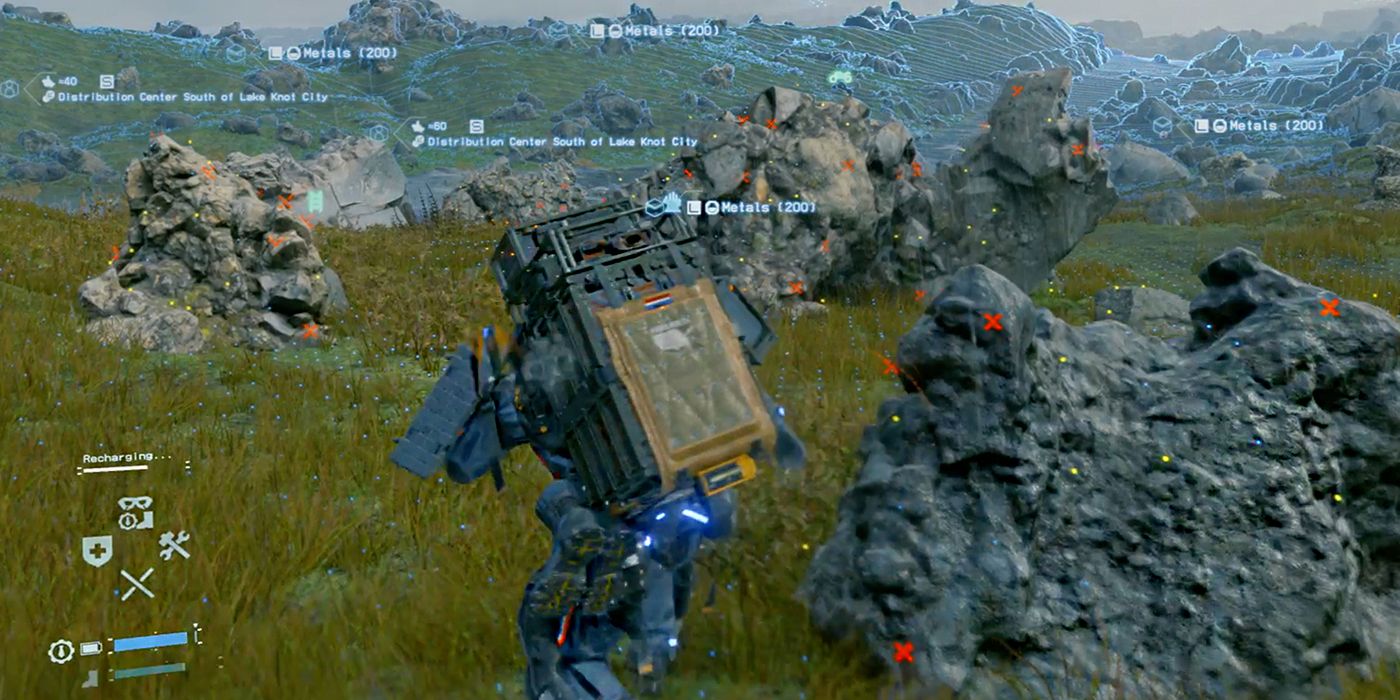
Players connect through the Chiral Network, allowing them to contribute resources and structures to the game world that other players can discover and utilize. This can include vital infrastructure such as bridges, ladders, and watchtowers, which are provided by players to help others navigate the challenging environments of Death Stranding. The key aspect of this system is that these items appear in the game asynchronously, meaning that players see the contributions of others in their world, creating a helpful network of support without concurrent interaction.
2. Shared World with Persistent Structures and Equipment
The structures and equipment placed by players persist in the game world, allowing for continuous use by others. This aspect of the game promotes a sense of communal effort, as every player’s contribution aids in the collective goal of reconnecting the fragmented United Cities of America. Furthermore, other players have the ability to upgrade these structures, enhancing their effectiveness and benefiting the entire community.
3. Signs and Messages
To further facilitate player interaction, the game allows players to leave signs with warnings about dangers or tips related to navigation. These signs serve as meaningful social cues and practical aids, enriching the player experience by enabling effective communication through non-verbal means. Such messages not only guide players through treacherous areas but also forge a subtle connection among users.
4. Limitations and Balance
To maintain a balanced and immersive experience, Death Stranding imposes limits on the number of certain structure types that can be present in any given area. This design choice prevents duplication and ensures that players still face exploration challenges while benefiting from the assistance provided by the wider player base. By moderating the presence of player constructs, the game preserves the integrity of its landscapes and the thrill of discovery.
5. No Direct Co-op or Real-Time Multiplayer
A distinguishing feature of Death Stranding’s multiplayer experience is that it is entirely asynchronous. Players do not encounter one another in real-time and cannot directly engage in cooperative gameplay in the traditional sense. This indirect form of interaction resonates with the game’s overarching themes of connection and isolation, emphasizing the importance of cooperation across time and space rather than through immediate interaction.
6. No PlayStation Plus or Subscription Required
Accessibility is a hallmark of the multiplayer experience in Death Stranding. Players can engage in the online features without needing a PlayStation Plus subscription, allowing anyone to partake in the communal aspects of the game effortlessly.
Summary
Death Stranding utilizes a unique asynchronous multiplayer system known as the Social Strand System, which enables players to build, share, and leave behind objects in a shared world. This cooperative framework emphasizes indirect interaction and contributes thematically to the game’s exploration of connection and isolation. Players engage in a collective effort to restore a fractured world through their contributions, enhancing the overall immersive experience and fostering a sense of community among players as they navigate the vast terrains of the game.

Leave a Reply