
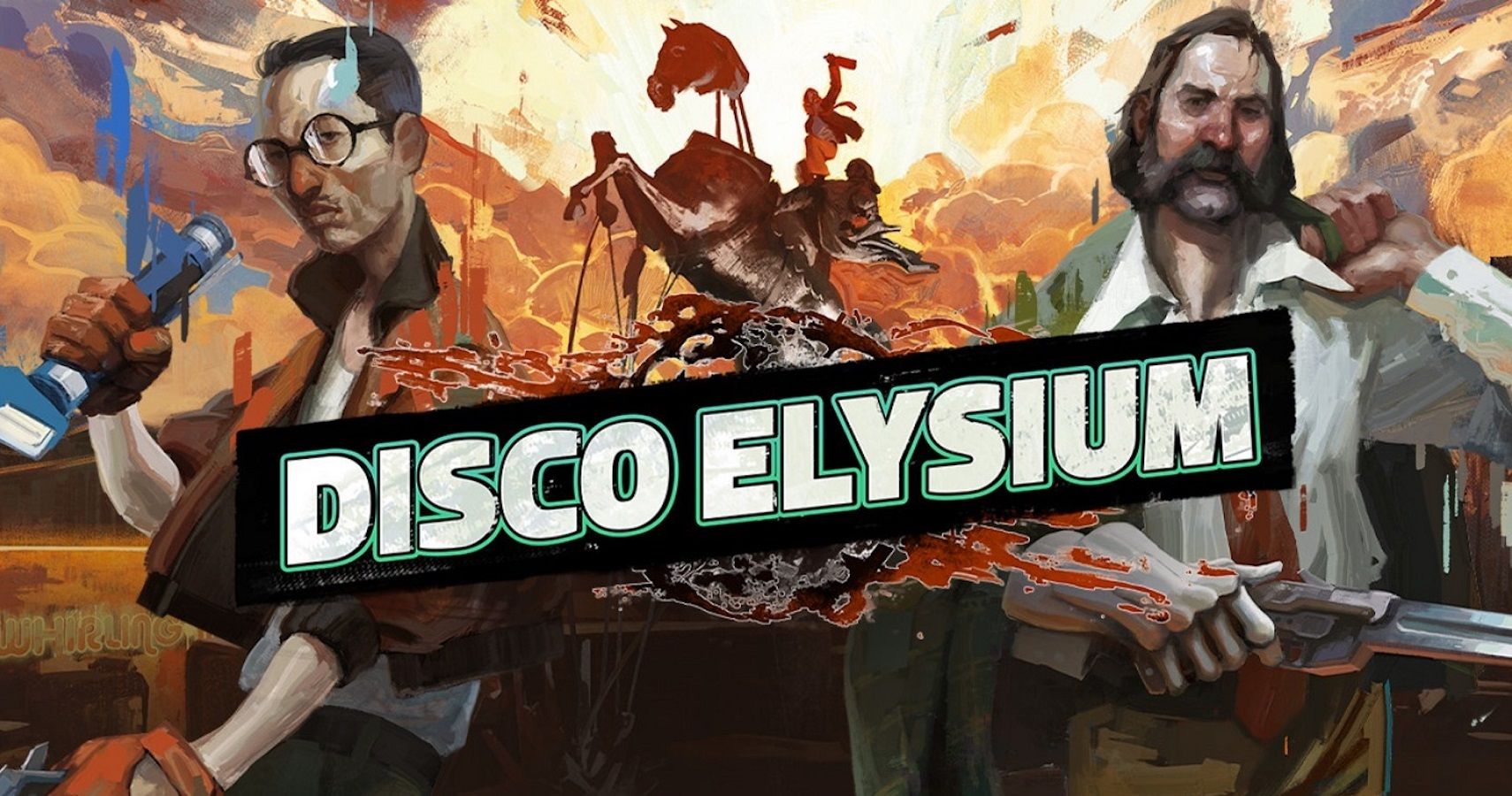
In Disco Elysium, the narrative culminates in various endings shaped predominantly by the choices made throughout the investigation, especially during key moments such as the Mercenary Tribunal. Players navigate complex relationships and their personal development, which ultimately determines the outcome of Detective Harry Du Bois’s journey. Here’s an in-depth breakdown of the main endings and the influential factors that lead to each.
Main Endings
1. Kim as Your Partner Ending (Good Ending)
To secure this optimistic conclusion, the player needs to foster a strong partnership with Kim Kitsuragi throughout the game. Key elements include:
– Consistently displaying camaraderie and effective teamwork during the investigation, particularly during the Mercenary Tribunal.
– Collaborating closely with Kim during pivotal moments, leading to mutual reliance.
– After apprehending the prime suspect and processing the events in the Fishing Village, players must choose to retain Kim as their partner, allowing them to navigate the fallout and restore order to Precinct 41. This ending epitomizes a reconnection with professionalism and personal growth through the supportive relationship forged with Kim.
2. Cuno as Your Partner Ending (Alternate Good Ending)
This pathway diverges significantly from the first and requires specific narrative choices that alienate Kim, prompting him to step away. The steps include:
– Experiencing a challenging encounter where Kim is sidelined, thus opening the door for Cuno’s involvement.
– Building a rapport with Cuno—an initially brash and confrontational character—by navigating dialogues and choices that earn his trust.
– Following Kim’s absence, the player accepts Cuno’s help, culminating in a collaborative effort to complete the investigation. This ending reflects the potential for growth and redemption, even through unconventional partnerships.
3. Solo Ending (Neutral or Possible Bad Ending)
The solo ending denotes a more melancholic conclusion to Harry’s story. To reach this outcome:
– The player deliberately declines Cuno’s assistance and chooses to tackle the investigation independently.
– The condition of sobriety plays a critical role here. If Harry avoids substance use throughout the game, he can achieve a neutral ending, returning to Precinct 41 as a sober detective, albeit with a sense of unresolved identity.
– Conversely, engaging in substance abuse may lead to a detrimental outcome, where Harry’s missteps culminate in a reflection of his professional failure and personal decline. This illustrates the game’s attention to choices deeply affecting character arcs.
Influential Choices and Factors
Several pivotal choices and relationship dynamics influence which ending is reached:
– Relationships with Kim and Cuno: The way players interact with and respond to both characters throughout the narrative significantly impacts partnership dynamics formed during the Tribunal and beyond.
– Handling Alcohol and Substance Use: The player’s choices regarding Harry’s drinking habits influence the direction of the endings, demonstrating how personal discipline or lack thereof can dictate professional outcomes.
– Political and Ideological Decisions: Although the central endings pivot around the Tribunal, players’ political assertions and ideological alignment throughout the game also inform the tone of the resolutions and can create unique variations.
– Solving the Case vs. Existential Themes: Ultimately, Disco Elysium emphasizes that the resolution of the murder case is interwoven with broader existential themes. The endings underscore a philosophical reflection on ambiguous truths and interconnected paths, pushing back against linear narrative conventions.
Conclusion
In summary, the endings of Disco Elysium are deeply interconnected with the player’s decisions regarding partnerships, Harry’s personal journey towards or away from sobriety, and the impactful choices made during the investigation. The three main endings—partnering with Kim, partnering with Cuno, or embarking on the investigation solo—illustrate the nuances of human relationships and the consequences of our choices, all while echoing the game’s profound existential insights. Each ending not only denotes a conclusion to the narrative arc but also challenges players to confront the complexities of identity, partnership, and morality within a fractured world.

Leave a Reply