
In the game Everything, players experience a unique approach to exploration and interaction that significantly differentiates it from traditional simulation or building games. Rather than employing standard click-and-drag mechanics for object manipulation, Everything operates on the core mechanic of “becoming” various objects, entities, or animals within the game world. Here’s a structured breakdown of how movement and exploration function in this game:
Movement Mechanics:
1. Character Navigation Controls: Players use standard keyboard controls—commonly the WASD keys—to navigate through the environment. Each key corresponds to specific movements:
– W: Move forward
– A: Strafe left
– S: Move backward
– D: Strafe right
2. Camera Control: The game allows players to look around and change their perspective effectively. This is typically accomplished using:
– Mouse or Right Analog Stick: By moving the mouse or using the right analog stick on a controller, players can rotate the camera to look up, down, left, and right, facilitating exploration of the expansive game world.
Interaction with Objects:
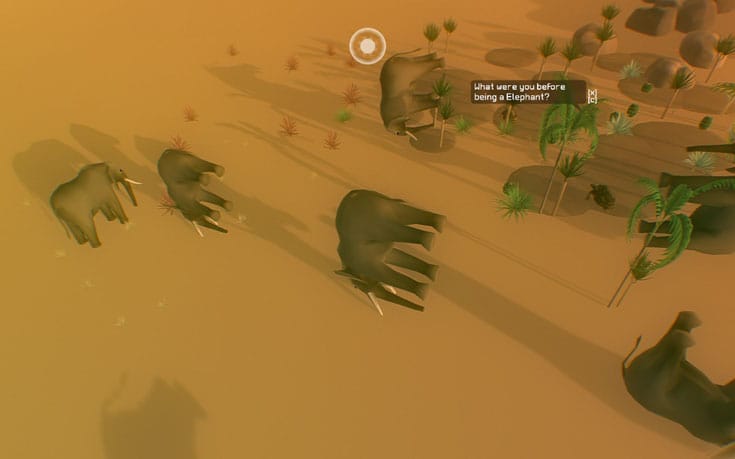
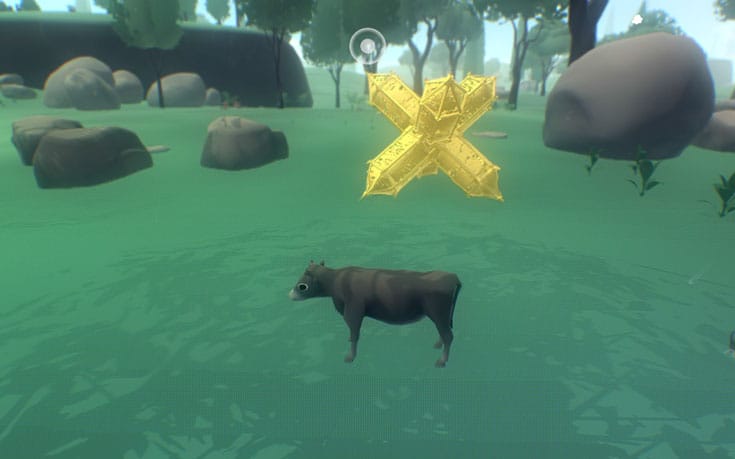
1. Inhabiting Objects: The primary interaction mechanism involves players taking control of different entities rather than independently moving or rotating them as separate objects. You ‘become’ various forms, ranging from animals to inanimate objects, which allows for a more immersive exploration experience.
2. No Traditional Object Manipulation: Unlike games that feature intricate object placement and manipulation tools (such as gizmos for rotating and repositioning), Everything does not provide a conventional “move” or “rotate” mode. Instead, the player’s experience is about shifting perspectives when switching between objects, rather than editing their placements in a construction-centric manner.
Key Differences from Simulation Games:
– Exploration Focus: The emphasis is on exploration and discovery rather than constructing or altering environments actively. Games like Planet Zoo utilize advanced move and rotate modes with visual axes or gizmos, enabling detailed control over object placement. In contrast, Everything centers around interaction with the environment through embodiment, foregoing discrete object control.
Conclusion:
In summary, Everything offers a distinctive gameplay experience focused on exploration through embodiment rather than traditional manipulation. Movement relies on standard navigation controls (keyboard for movement, mouse for camera manipulation), and the core gameplay mechanic revolves around inhabiting various entities instead of manually repositioning or rotating objects independently. This approach aligns with the game’s themes of interconnectedness and exploration, establishing it as a unique experience in the gaming landscape. If you’re seeking detailed object placement control, it would be more characteristic of simulation or building games rather than Everything’s innovative format.


Leave a Reply