
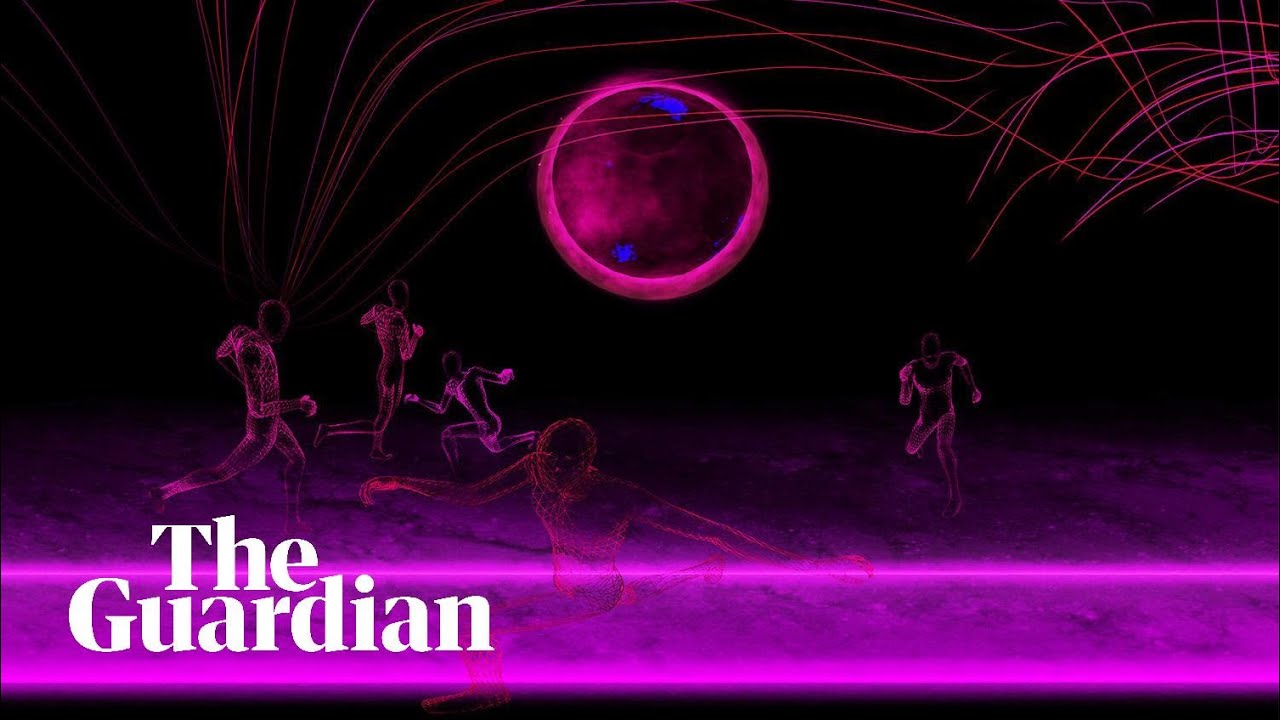
In the game Everything, movement in 3D space, particularly around larger celestial objects such as planets and stars, is managed through innovative and seamless scale transitions. This unique design allows players to have an immersive experience as they navigate between a multitude of forms, from the microscopic to the cosmic.
Movement Mechanics
Here are some key aspects of how movement works when controlling larger-scale objects in Everything:
1. Adaptive Controls: The game offers a control system that dynamically adjusts based on the size and nature of the object you are controlling. This means that whether you are commanding a small insect or orbiting a massive star, the controls will feel intuitive and natural.
2. Standard Input Methodology: Movement is typically handled through conventional directional inputs similar to those used in standard 3D navigation:
– Forward/Backward: Usually controlled via the W/S keys or the forward/backward commands on an analog stick.
– Left/Right Movement: Typically assigned to the A/D keys or the left/right commands on a controller.
– Vertical Movement: Ascending and descending might utilize the Space bar for upward movement and the Ctrl key for descending, along with triggers on a console controller.
3. Camera Control: The player has the ability to look around and rotate the view in 3D space. This is usually facilitated through mouse movement or the right analog stick on a controller.
4. Zooming and Scaling: Players can change their scale — zooming in or out — by using methods such as mouse scroll or specific trigger buttons, allowing them to shift effortlessly between vastly differing sizes.
5. Smooth Transitions: One of the standout features in Everything is its smooth transition between scales. As players move closer to a large object or away from it, the game calibrates the character’s position and adjusts movement speed appropriately to match the new scale. This ensures that movement does not feel jarring or disconnected, enhancing the gaming experience.
6. Spatial Awareness: When navigating on larger objects like planets or stars, there is an increased requirement for spatial awareness. Movement tends to be more gradual and deliberate compared to when controlling smaller entities, as the physics involved change significantly.
Summary Table of Control Actions
Here is a summary table outlining typical control methods for movement in Everything:
| Action | Typical Control Method |
|—————————|———————————————|
| Move Forward/Backward | W/S keys or controller forward/backward |
| Move Left/Right | A/D keys or controller left/right |
| Ascend/Descend (Vertical) | Space/Ctrl keys or controller triggers |
| Rotate Camera/Look | Mouse movement or right analog stick |
| Zoom In/Out (Change Scale)| Mouse scroll or trigger buttons |
Conclusion
In conclusion, moving in 3D space around large celestial objects in Everything is facilitated through a combination of adaptable controls, standard movement inputs, and a seamless integration of scale transitions. The game’s design focuses on ensuring an intuitive control experience, allowing players to immerse themselves in the vastness of the universe seamlessly, whether embodying an atom or traversing the cosmos on a star. This unique approach to scaling and navigation is part of what makes Everything a distinctive experience in exploration and interaction within a rich and expansive environment.



Leave a Reply