
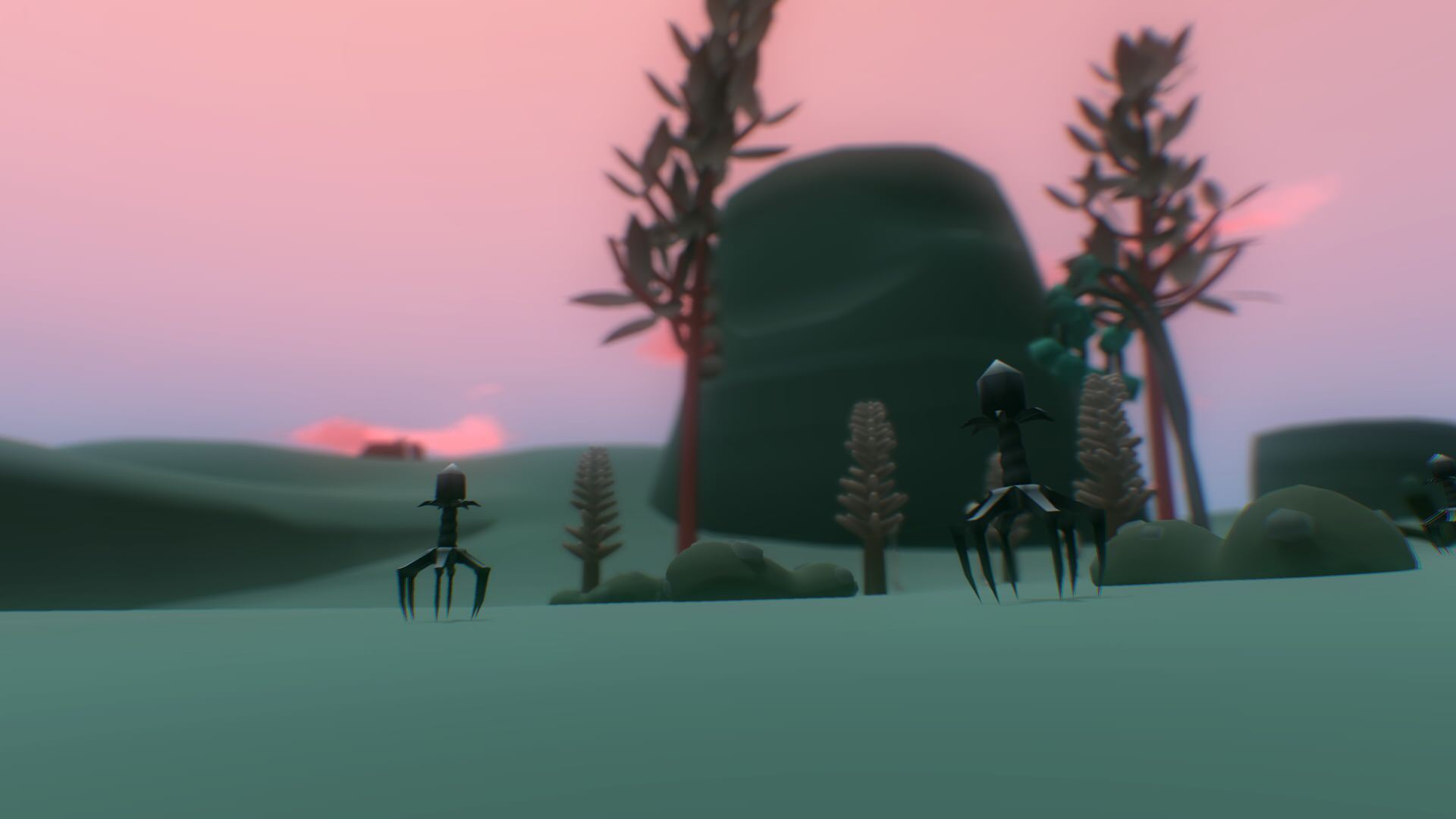
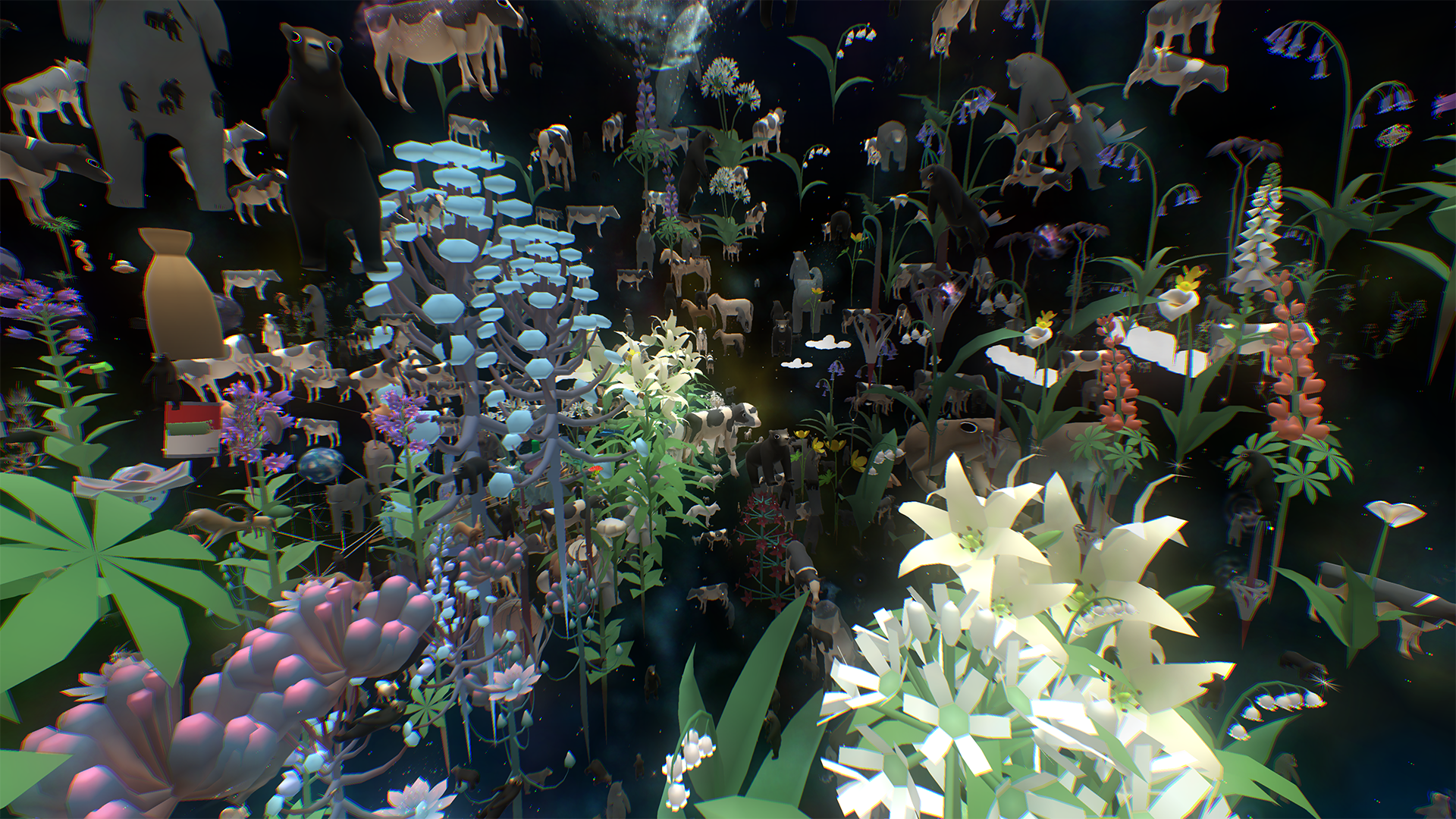
In “Everything,” developed by David OReilly, players are invited to embark on a profound journey through the vast expanses of the universe, exploring everything from subatomic particles to massive galaxies. The absence of a conventional map system distinguishes “Everything” from other games, creating a unique experience that emphasizes exploration, intuition, and discovery. Here, we’ll delve into the game’s navigation mechanics and the implications of its unconventional approach to mapping.
Using the Game’s Navigation Mechanics
1. Zooming and Panning:
The fundamental navigation method in “Everything” is through zooming and panning. Players utilize the camera controls to seamlessly transition between scales. By zooming in on an object, players can delve deeper into its detail, while zooming out reveals broader structures, allowing for a fluid movement through various realms of the universe. This intuitive approach encourages players to explore and immerse themselves in the intricate design of the game.
2. Object Selection:
Once players encounter an object, selecting it is an essential part of navigation. By choosing an object and then using the zoom controls, players can navigate back through the scale associated with that specific object. This mechanic not only aids players in retracing their steps but also enhances their understanding of how objects relate to one another across different scales.
3. Utilizing the Game’s Logic:
“Everything” is designed with an underlying logic that positions similar objects and related scales close together. By familiarizing themselves with this logic, players can navigate more efficiently. Recognizing patterns and relationships between objects can facilitate the exploration of previously discovered areas, making it easier to return to them without feeling lost.
4. Exploration and Memory:
With the absence of a map, players are encouraged to engage their memory and rely on the game’s visual design. Observing the layout and distinctive features of various objects helps players form a mental map of the universe. The game rewards careful observation and encourages players to internalize their discoveries, fostering a sense of accomplishment and familiarity with the environment.
5. Gameplay Mechanics:
The ability to possess and control different objects offers a dynamic way to explore. Players can interact with the environment intimately, often altering their perspective and allowing for unique angles of exploration. This mechanic enhances not just navigation but also the overall experience, as players can become part of the universe they are exploring, and this interactivity contributes to finding particular objects or navigating back to significant locations.
Limitations of the Game’s Map System
– No Traditional Map: One of the most significant constraints players face in “Everything” is the absence of a standard map. Unlike many games that provide markers or waypoints for navigation, “Everything” challenges players to rely on their cognitive skills and intuition. This design choice may be frustrating for some but ultimately enriches the experience by promoting a deeper connection to the game world.
– Dynamic Exploration: The game’s emphasis on organic exploration means that players are not confined to linear paths or objectives. This freedom allows for spontaneous discoveries but also means that players must sometimes retrace their steps manually. The lack of a predefined route encourages players to engage with the game’s mechanics more fully, fostering a greater sense of wonder and exploration.
Conclusion
In summary, “Everything” invites players into a vast, interconnected universe where intuitive navigation takes precedence over traditional mapping systems. By employing techniques such as zooming, object selection, and utilizing inherent game logic, players can effectively navigate the cosmos, relying on memory and observation to guide them. This unconventional approach not only enhances the exploration experience but also aligns perfectly with the game’s overarching theme of interconnectedness and discovery. As players traverse the universe, they are encouraged to embrace uncertainty and engage with the world around them in a meaningful way, ultimately redefining what it means to explore in a video game context.


Leave a Reply