
To effectively plan your city layout in Frostpunk for optimal heating efficiency and sustainable expansion, consider employing these expert strategies. Each segment aims to maximize the heat distribution from your generator while allowing for progressive growth in your city.
1. Build Around the Generator with Heat Radius Upgrades
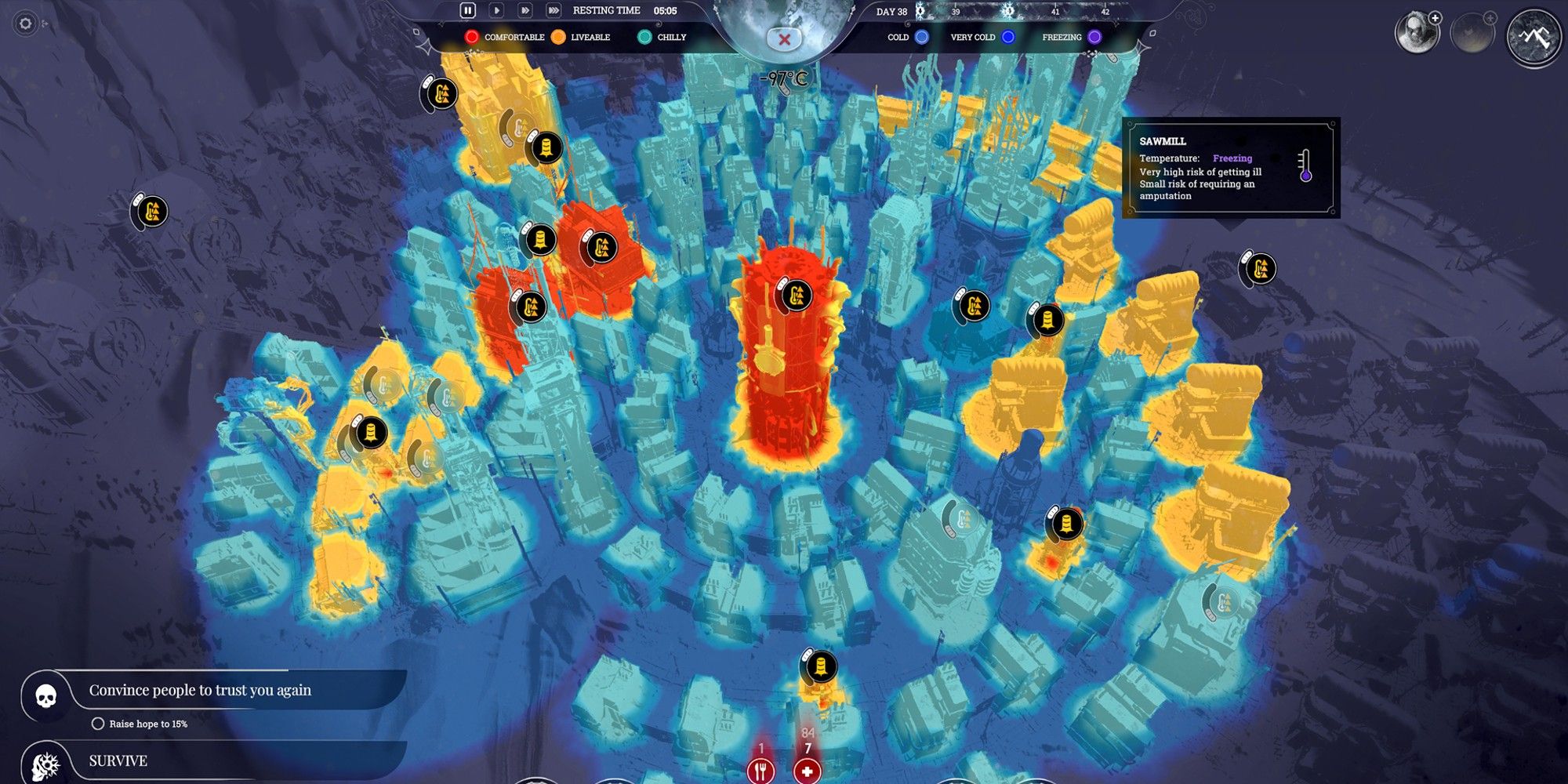
– Central Heat Source: The generator serves as the primary source of warmth. Position housing and key facilities within its heating radius to minimize reliance on supplemental heating sources.
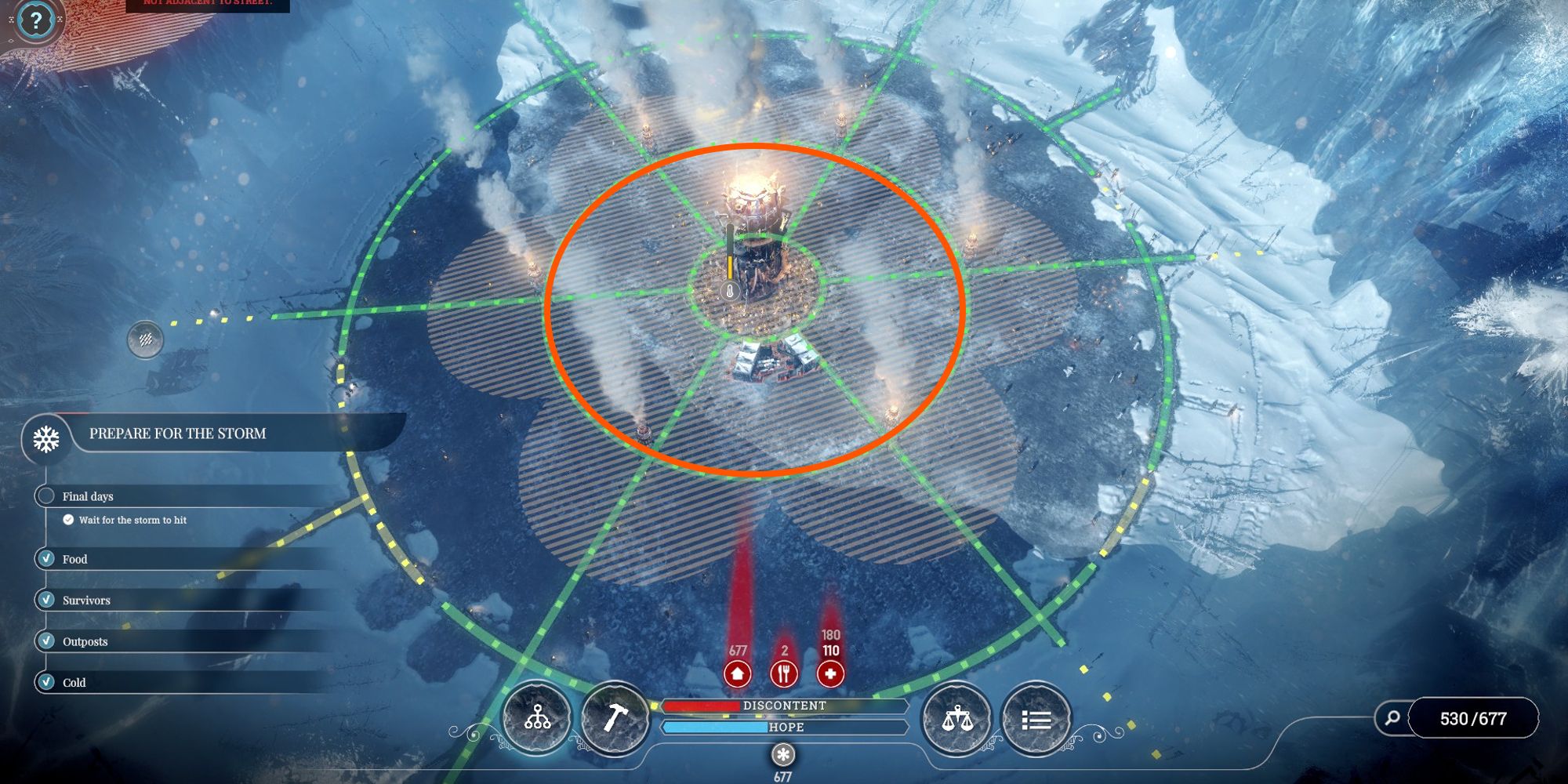
– Early Upgrades: Prioritize upgrading the generator’s heat range early in the game. This makes it feasible to build a larger number of housing and essential structures near the generator, effectively reducing the need for additional heaters in the initial phases.
2. Use Steam Hubs Strategically
– Extending Heat Coverage: For structures outside the generator’s immediate heat radius, deploy steam hubs to bolster warmth in those areas.
– Efficient Layout: Plan the positioning of multiple steam hubs to maximize coverage without excessive overlap. Typically, five fully upgraded steam hubs can effectively heat areas up to five rows deep from the generator, accommodating approximately 70-71 houses before encircling the generator.
– Directional Expansion: Direct your city’s expansion towards one side of the city wall if heavily relying on steam hubs, ensuring you maintain a concentrated area of warmth.
3. Design Your Layout with Rings Around the Generator
– Ring Utilization: The buildable zone around the generator comprises 22 distinct rings. Knowing that housing tents occupy two rings can help in planning an efficient layout.
– Pre-Planning: Avoid randomized building placements. Instead, methodically plan where critical structures will go to maximize heat coverage and space usage.
– Guiding Roads: Pre-placing roads should serve as an organizational tool for your city’s expansion, allowing for straightforward adjustments to maximize both heating efficiency and aesthetics.
4. Consider Separate Wards vs. One Sprawling City
– Cluster Strategy: Some players opt for separated clusters of buildings (wards) rather than a singular, sprawling city. This can minimize wasted space between structures, yet it often necessitates multiple steam hubs or advanced generator upgrades for adequate heating.
– Centralized Layout: Conversely, a centralized layout positions all buildings in proximity to the generator and steam hubs. This enhances heat management but may restrict options for future expansions in certain directions.
5. Optimize Building Placement for Heating & Functionality
– Strategic Proximity: Position housing and medical facilities closest to heat sources to ensure they remain warm, prioritizing vital services like infirmaries and healing houses within heated zones.
– Separate Industrial Areas: Keep resource gathering and industrial buildings—which require less heating—located further from heating sources to conserve valuable heating areas for essential services.
Summary Table: Heating Strategy vs. Expansion Style
| Strategy | Heating Approach | Expansion Style | Pros | Cons |
|—————————-|———————————–|—————————–|——————————|———————————|
| Centralized City | Max generator radius + minimal hubs | Compact, centralized | Easy heat coverage | Limited expansion direction |
| Multiple Wards | Multiple steam hubs + some generator upgrades | Separate clusters | Efficient use of space | Requires more steam hubs & upgrades |
| Mixed Approach | Balanced generator upgrade + hubs | One side expansion (cheese wedge style) | Flexible expansion direction | Needs careful planning |
Conclusion
By strategically planning your city layout with consideration for heat efficiency, utilizing generator upgrades and steam hubs, and organizing your layout using rings and pre-placed roads, you can create a well-functioning, warm city in Frostpunk. This approach not only minimizes energy waste but also allows for sustainable growth, keeping your citizens safe and thriving in the harsh environment.

Leave a Reply