
In the game Gris, color plays a transformative role that directly correlates with the emotional evolution of the protagonist, Gris, as she navigates through the various stages of grief. Each color represents a different emotional state, transitioning from the muted grey of denial to the vibrant yellow of acceptance, while also introducing corresponding gameplay mechanics and interactions.
Color Stages and Abilities
1. Denial (Grey):
– The game opens with an environment devoid of color, mirroring Gris’s emotional state of denial.
– During this stage, Gris is unable to jump, symbolizing her lack of emotional strength and the inability to rise above her current despair. This limitation emphasizes the stifling effect of denial.
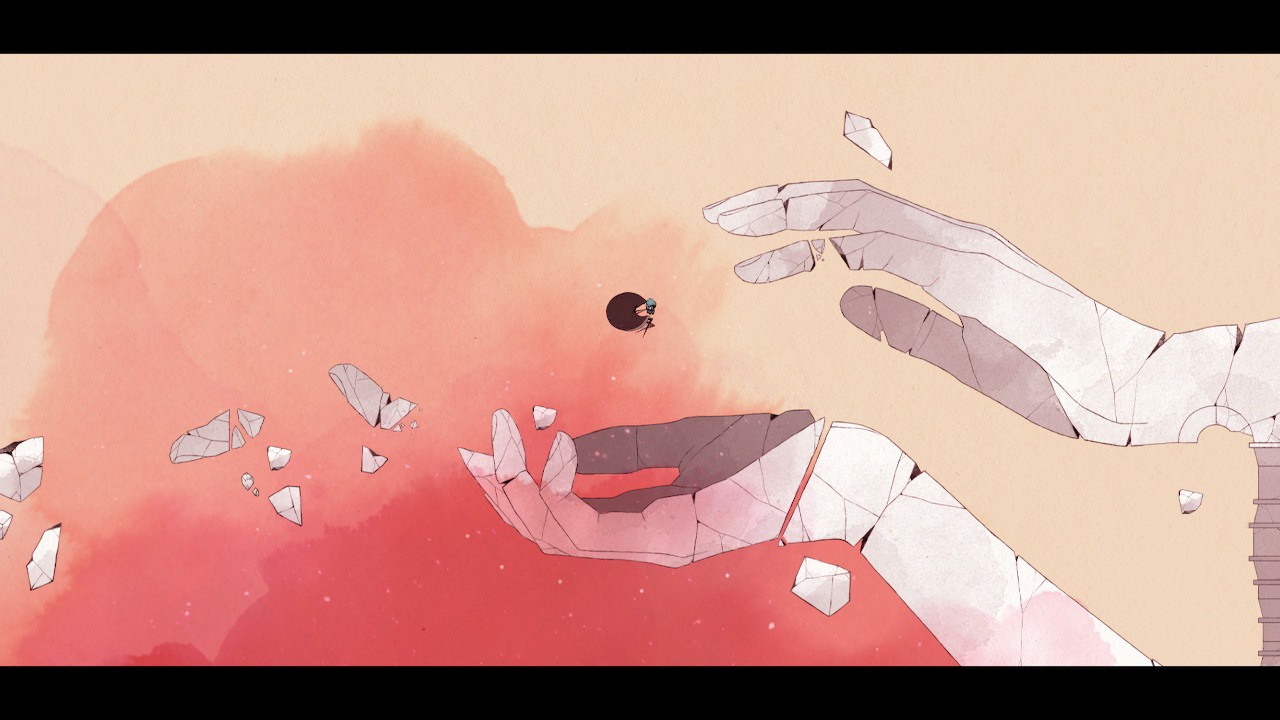
2. Anger (Red):
– Upon entering the anger stage, the surroundings burst into shades of red, reflecting the heightened emotional intensity that comes with anger.
– Gris acquires the ability to jump, which is critical for exploring the environment. This newfound ability allows her to interact with red trees that react to her movements, signifying a productive outlet for her anger. This stage highlights the concept of gaining control over one’s emotions, enabling her to overcome barriers previously deemed insurmountable.
3. Bargaining (Green):
– The introduction of green elements represents growth and the idea of negotiating with one’s feelings.
– During this stage, Gris develops a double jump feature and the “Heavy” ability, which permits her to withstand strong winds and tackle challenging terrains. This reflects her increasing resilience and coping mechanisms when faced with difficult emotions, showcasing her journey towards healing.
4. Depression (Blue):
– Transitioning to a predominantly blue environment symbolizes sadness and a deeper level of introspection.
– In this stage, Gris gains the ability to swim, which not only allows her to explore underwater areas but also represents her confrontation with her deeper emotions. The ability to swim opens new paths in the game, mirroring her journey into the depths of her grief, where she must face and navigate her memories.
5. Acceptance (Yellow):
– The final stage is characterized by warm yellow hues, a representation of hope, light, and recovery.
– Gris ultimately regains all her previous abilities and acquires the “Sing” ability, which activates various environmental effects. This newfound skill symbolizes her healing process and her ability to interact meaningfully with her surroundings, reflecting a sense of peace and acceptance.
Color and Interaction Dynamics
– Environmental Interactions: Each color stage enriches the gameplay with unique interactions. For instance, the anger phase allows engagement with responsive red trees, while the depression phase enables swimming through blue waters. In the acceptance stage, Gris’s singing creates beautiful interactions, visually transforming the environment and enhancing player experience.
– Emotional Representation: The colors are intricately tied to Gris’s emotional states, serving as metaphors for her journey. The progression from grey to vibrant colors embodies the passage through grief towards a place of healing and acceptance.
– Narrative Integration: The changes in color and corresponding gameplay mechanics are seamlessly woven into the overarching narrative, highlighting Gris’s emotional growth. As players guide her through these distinct phases, they gain a deeper understanding of the complexities of grief and healing.
In conclusion, the color shifts in Gris are not merely aesthetic choices; they are essential to both the narrative and gameplay experience. These changes transform the environment and provide new abilities and interactions that parallel Gris’s emotional journey, ultimately portraying a powerful story about coping with grief and finding acceptance.


Leave a Reply