
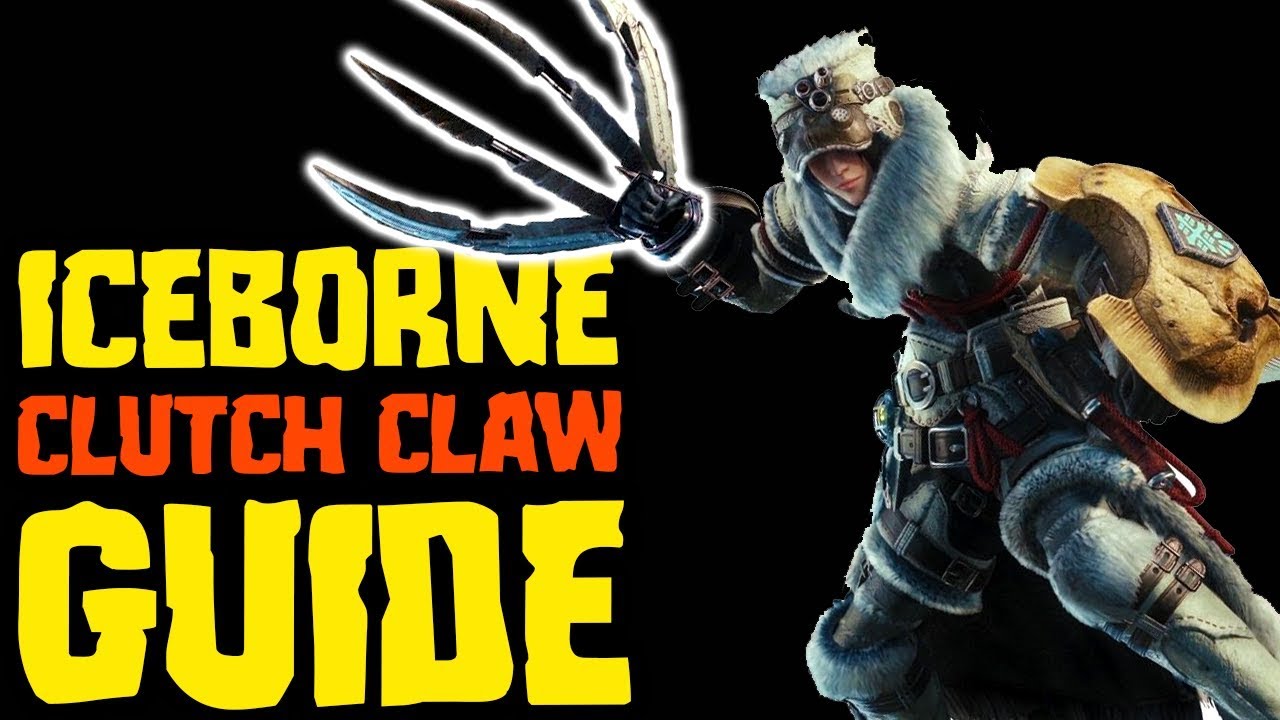
In Monster Hunter: World Iceborne, the Clutch Claw is an invaluable tool for hunters looking to maximize their damage output and strategic advantage in battles against large monsters. Here’s a detailed guide on how to effectively utilize the Clutch Claw during hunts:
1. Grappling Onto the Monster
To initiate the use of the Clutch Claw, aim your slinger at a target monster’s body part—common targets include the monster’s face or head. Once you have your target in sight, shoot the Clutch Claw to latch onto the monster. This action will allow you to mount and attack specific parts of the monster’s body.
2. Softening Parts
Once you’ve successfully grappled onto the monster, it’s time to soften the targeted body part:
– Perform a Clutch Claw Attack:
– Press the weapon attack button (Triangle on PlayStation) to carry out a clutch claw weapon attack. This attack directly weakens the part you are attached to, making it more susceptible to damage.
– Specific Weapon Guidelines:
– For heavy weapons, a single claw attack is often sufficient to soften the target area immediately.
– For light weapons, you typically need to execute two claw attacks before your weapon attack will effectively soften the part.
3. Timing and Using Mantles
When you are grappling, timing is crucial to maintaining your position:
– Temperature Mantle: Utilize the Temperament Mantle to extend your stay while latched onto the monster. This mantle automatically dodges incoming attacks, allowing you to soften parts safely even when the monster is enraged.
– Rocksteady Mantle: This mantle also provides some protection; however, it doesn’t shield against all attacks, so be aware of your surroundings and the monster’s movements.
4. Creating Openings
After successfully softening parts:
– Vulnerability Window: Softened parts remain wounded for approximately 90 seconds. During this time, these areas become vulnerable to breaking, allowing hunters to deal increased damage.
– Flinch Shot Advantage: Use the Clutch Claw’s Flinch Shot to fire slinger ammo at the monster’s head. This can lead to a staggering effect, causing the monster to flinch, fall, or collide with walls, creating additional opportunities for free attacks.
5. Advanced Tactics
– Mid-air Clutching: If you manage to mount and topple the monster, you can grapple onto it while it’s down. This allows for calculated attacks to further soften parts before it recovers, increasing your offensive efficiency.
– Redirecting Movement: Use the Clutch Claw to manipulate the monster’s trajectory. This can position them closer to traps or lead them into environmental hazards, adding layers to your strategic gameplay.
Conclusion
The Clutch Claw is an essential mechanic in Iceborne, allowing hunters to grapple, soften, and maximize damage against large monsters. By understanding its mechanics, employing proper timing with mantles, and leveraging opportunities created through softening parts, hunters can significantly enhance their combat effectiveness and achieve greater success in their hunts. Whether you’re a veteran of the series or a newcomer to Iceborne, mastering the Clutch Claw will elevate your gameplay experience.




Leave a Reply