
In Outer Wilds, black holes and white holes are essential components of the gameplay, functioning as interconnected portals that enhance exploration and puzzle-solving through a complex interplay of physics and narrative. Here’s a detailed breakdown of how these celestial phenomena work in the game, as well as their gameplay impacts.
How Black Holes Function in Gameplay
1. Interconnected Gateways:
Black holes in Outer Wilds serve as gateways that transport objects to distant locations. When an object is thrown into a black hole, it doesn’t get trapped; instead, it is ejected through its paired white hole, allowing for dynamic navigation and problem-solving. For instance, if you toss a rock into a black hole located on Brittle Hollow, it will reappear through the corresponding white hole elsewhere in the solar system, facilitating intriguing experiments and traversal strategies.
2. Gravitational Mechanics:
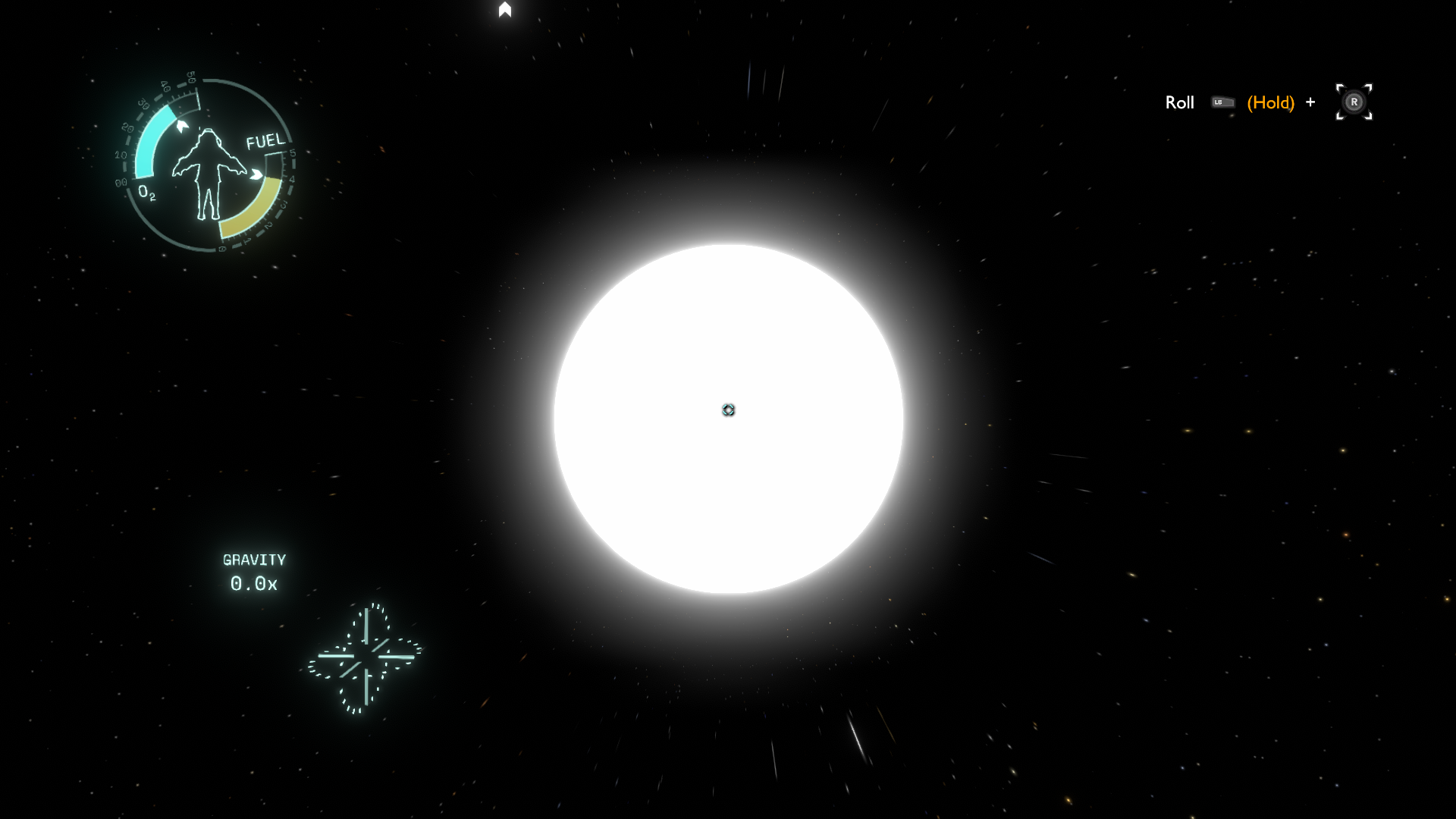
The simulation of black holes includes realistic gravitational effects such as an event horizon, which signifies the point beyond which no object can escape. This portrayal enhances immersion as the black hole’s gravity creates a distinctly altered environment—light bends, and the trajectories of objects are significantly influenced, mirroring real astrophysical behavior. Players must navigate these gravitational anomalies carefully to avoid being pulled in.
3. Momentum and Energy Interaction:
When objects fall into a black hole, they emit energy flashes upon entering. This mechanic implies that black holes partially absorb the momentum of the objects that cross into them. When the objects exit through the white hole, they emerge with a retained velocity, suggesting a tangible connection between the two bodies. This feature is crucial for solving puzzles that involve momentum and navigation.
4. Theoretical Collisions:
In contrast to conventional physics where black holes might merge, in Outer Wilds, they coexist and allow for theoretical collisions. Instead of merging, they pass through each other via their white hole counterparts, maintaining the unique dynamics of the gameplay without disrupting the established portal mechanics.
How White Holes Function in Gameplay
1. Exit Points for Objects:
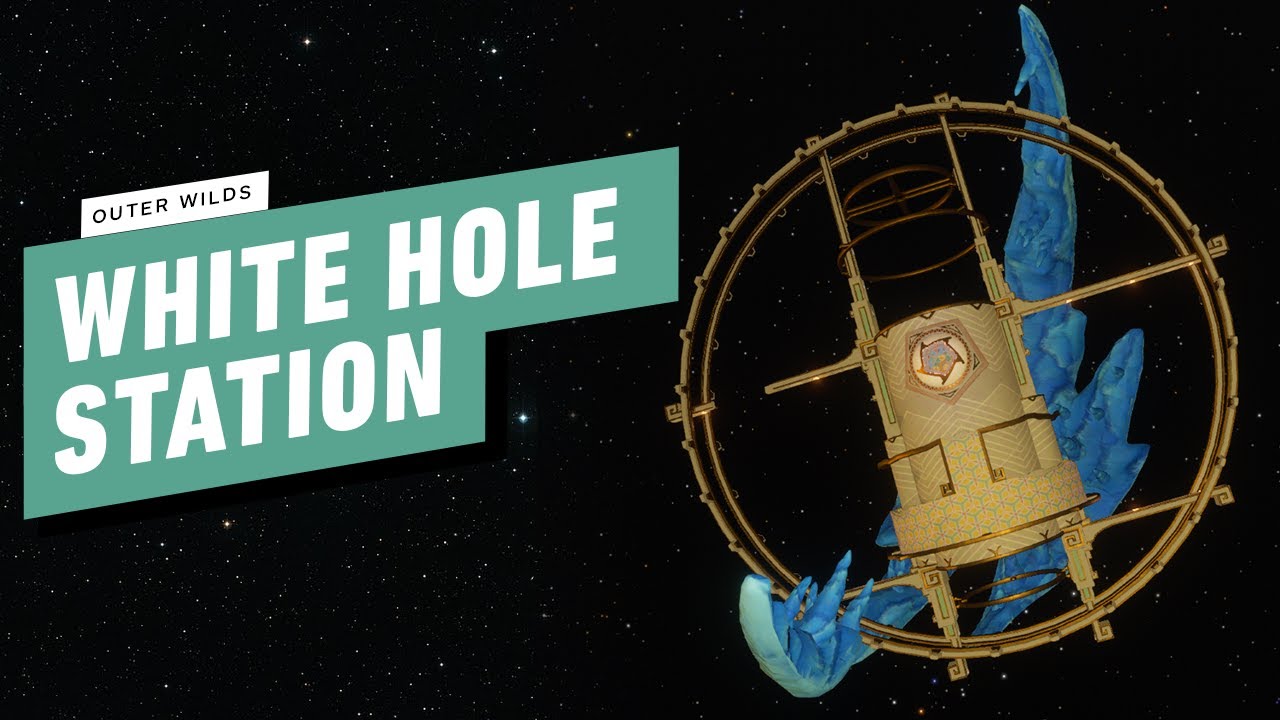
White holes serve as the exit points for objects that traverse through black holes. An example is the black hole located at the core of Brittle Hollow, which sends objects through a white hole, thereby affecting the positioning and availability of items across the game world. Understanding the relationship between black holes and white holes is integral to gameplay as it impacts the player’s navigation and strategy.
2. Time Loop Integration:
The black hole-white hole system is intricately tied to the game’s central theme of time loops and causality. Objects sent through these portals can create paradoxes or alter the timeline, further complicating the gameplay and narrative. The time loop mechanism compels players to think critically about their actions and the consequences of manipulating objects within this time space.
Practical Gameplay Impact
– Experiments and Observation: Players can engage in experimentation by deliberately throwing various objects into black holes and watching where they re-emerge. This hands-on experimentation is encouraged throughout gameplay.
– Puzzle Solving: Black holes and white holes are pivotal to solving intricate puzzles related to time travel and spatial awareness. Players will often need to figure out the trajectories and timing of objects to progress.
– Navigation Strategies: The gravitational forces around black holes impact player movement significantly, necessitating careful consideration in exploration strategies. Players might need to use these forces to their advantage to reach difficult areas.
– Core Narrative Elements: The interplay between black holes, white holes, and the overarching time loop serves as a foundation for the game’s narrative progression. Key locations such as the High Energy Lab and the Ash Twin Project leverage these concepts to deepen the story and enhance player engagement.
Conclusion
In summary, black holes and white holes in Outer Wilds function as dynamic portals enriched with realistic gravitational interactions that transport objects across the game world. Their integration into gameplay mechanics not only facilitates exploration and puzzle-solving but also deepens the narrative through themes of time and causality. This symbiotic relationship between scientifically inspired mechanics and an engaging storyline creates a unique and memorable gameplay experience, drawing players into the mysteries of the universe.


Leave a Reply