
In Pillars of Eternity II: Deadfire, the distinct roles of active and passive abilities create a dynamic system of combat and interaction, particularly evident in the unique approaches of the Monk and Chanter classes. Understanding these differences is essential for maximizing the effectiveness of each class in various encounters.
General Interaction of Active vs. Passive Skills
Active abilities in the game are directly implemented during combat or exploration. They encompass actions such as attacks, spell casting, and particular skills like Athletics or Stealth. The effects of active abilities are immediate and observable during encounters.
In contrast, passive abilities primarily influence non-combat situations. They are often tied to dialogues, skill checks, or interactions with the environment. While they do not generally affect combat mechanics directly, they can unlock unique dialogue options or special interactions that enrich the game’s narrative experience.
Specifics for Chanter
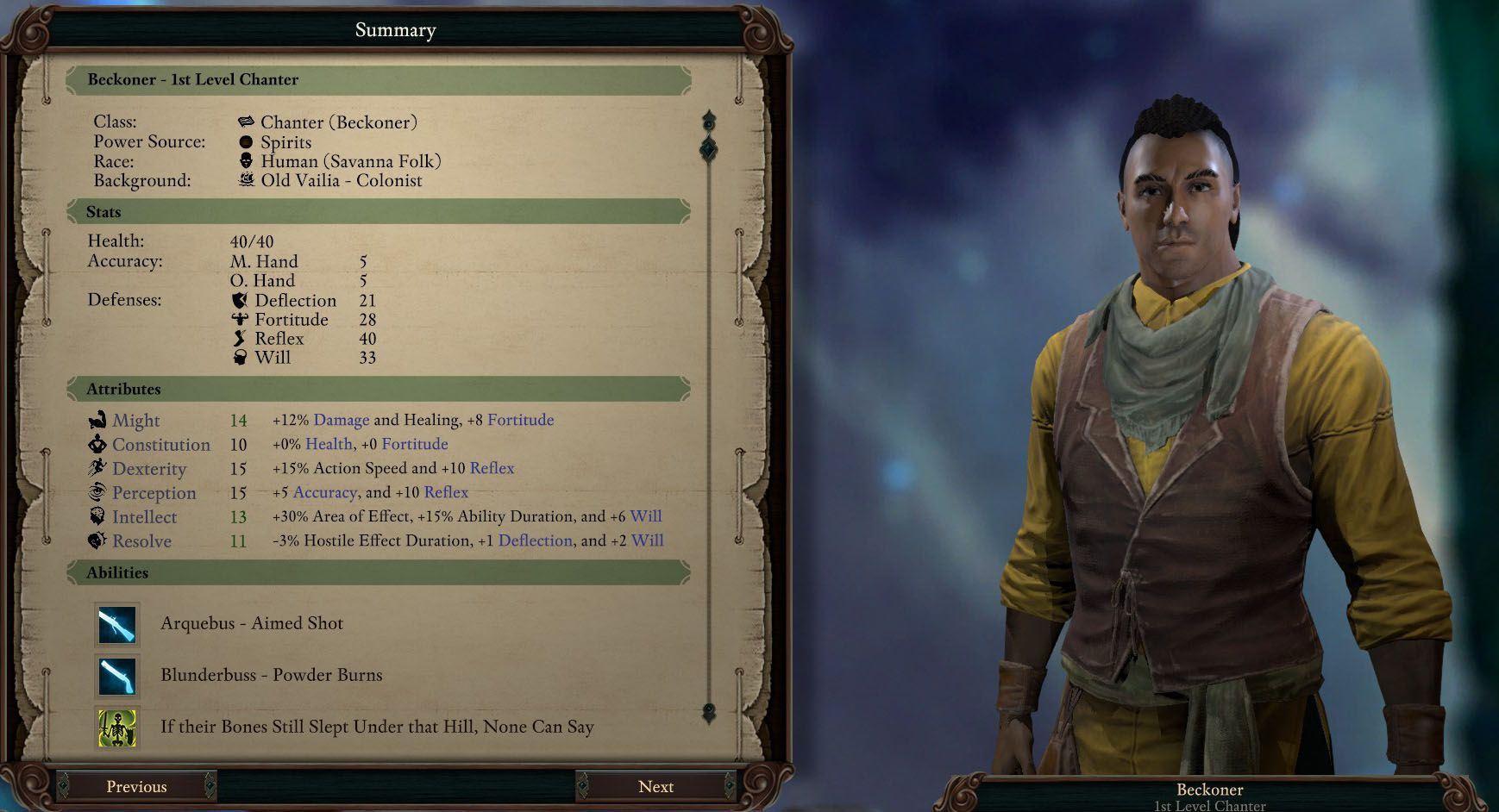
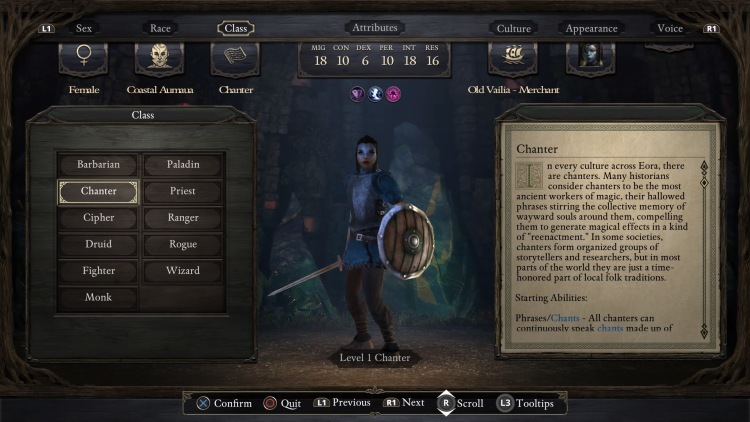
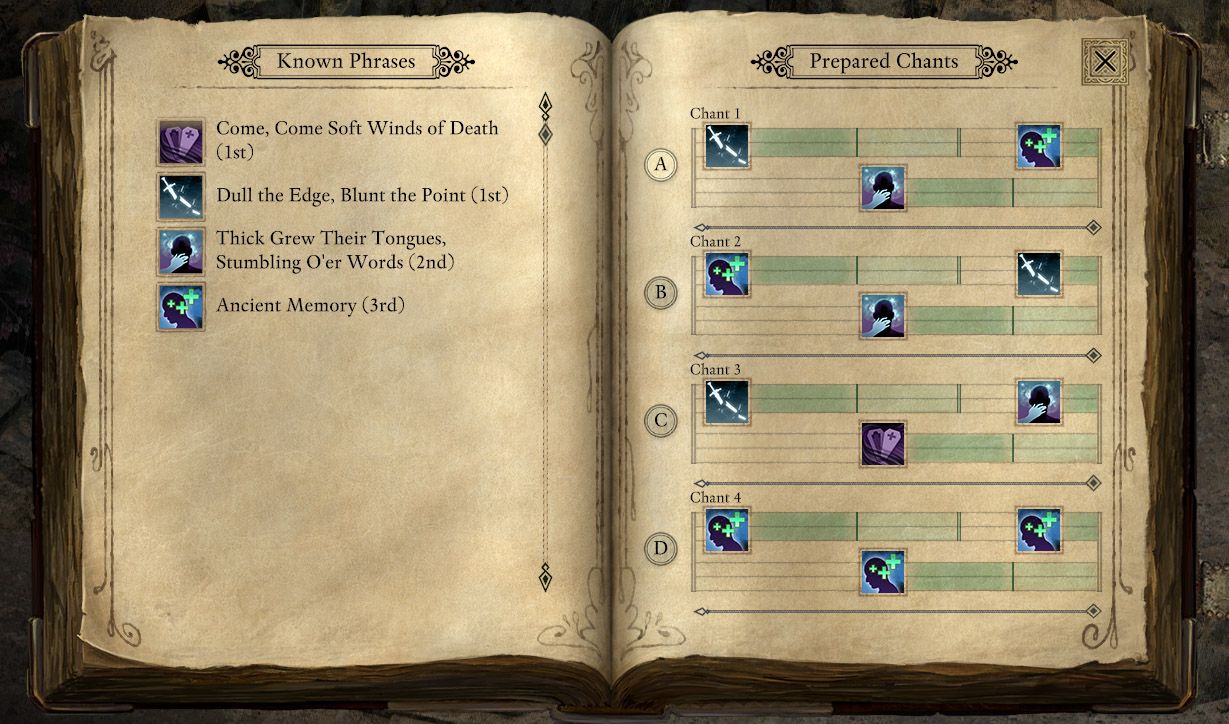
The Chanter class introduces a distinctive mechanism through the use of “Chants.” Here’s a breakdown:
– Chants as Passive Buffs: Chanter’s Chants automatically apply buffs to allies or debuffs to enemies within a certain area during battle. Although these effects are classified as abilities (since they depend on the phrases selected by the player), they operate in a largely passive manner, continuously benefiting the party without any need for direct activation during combat.
– Chant Invocations: Alongside their passive Chants, Chanters have active abilities known as Invocations, which can summon creatures or apply various effects (such as damage or debuffs) on the battlefield. These require player activation and thus contribute to the active gameplay dynamically.
The synergistic relationship between Chants and Invocations allows Chanters to significantly impact combat through ongoing buffs while still having the flexibility of triggering powerful invocations at strategic moments.
Specifics for Monk
Monks experience a more traditional application of passive abilities:
– Passive Skills: The Monk’s passive abilities grant consistent bonuses to defenses or resistances that enhance their overall resilience. Unlike the Chanter’s Chants, Monk passive skills do not activate effects during combat; they provide persistent benefits that are always in effect, purely enhancing the Monk’s capabilities without additional player input.
– Active Combat Abilities: Monks wield a range of active abilities that include special attacks or stances that bolster their combat prowess. These abilities require direct player engagement and are designed to enhance the Monk’s effectiveness in battle, but they do not rely on automatic effects like the Chanter’s Chants.
Consequently, passive abilities for the Monk enhance their capabilities but do not intervene during combat like the Chanter’s automatic Chants.
Summary of Interaction in Combat for Monk and Chanter
| Feature | Monk | Chanter |
|———————-|——————————————————————————————————————————————–|—————————————————————————————-|
| Passive Abilities | Provide persistent stat boosts or resistances; do not require activation during combat. | Chants act as automatic buffs/debuffs in combat (passive in function but triggered by chosen phrases). |
| Active Abilities | Special combat moves or stances that require direct player input and enhance damage or survivability. | Invocations that summon creatures or deal area-of-effect damage, requiring activation to unleash their effects. |
Conclusion
In summary, while passive abilities typically offer static benefits across classes such as the Monk, the Chanter stands out due to the continuous impact of their passive-like Chants during combat. This capability effectively merges the passive and active realms, ensuring the Chanter contributes significantly to the battlefield with ongoing effects while still utilizing active Invocations for decisive actions. Both classes rely on their respective active abilities for direct combat participation, but their interplay with passive skills creates distinct gameplay experiences that can be leveraged strategically by players.


Leave a Reply