
The map system in Resident Evil 2 stands out as a cornerstone of the gameplay experience, offering players a sophisticated tool for navigation and strategic resource management. Compared to previous entries in the franchise, this system is more interactive and feature-rich, addressing many of the challenges players faced in earlier titles.
Key Features of the Map System:
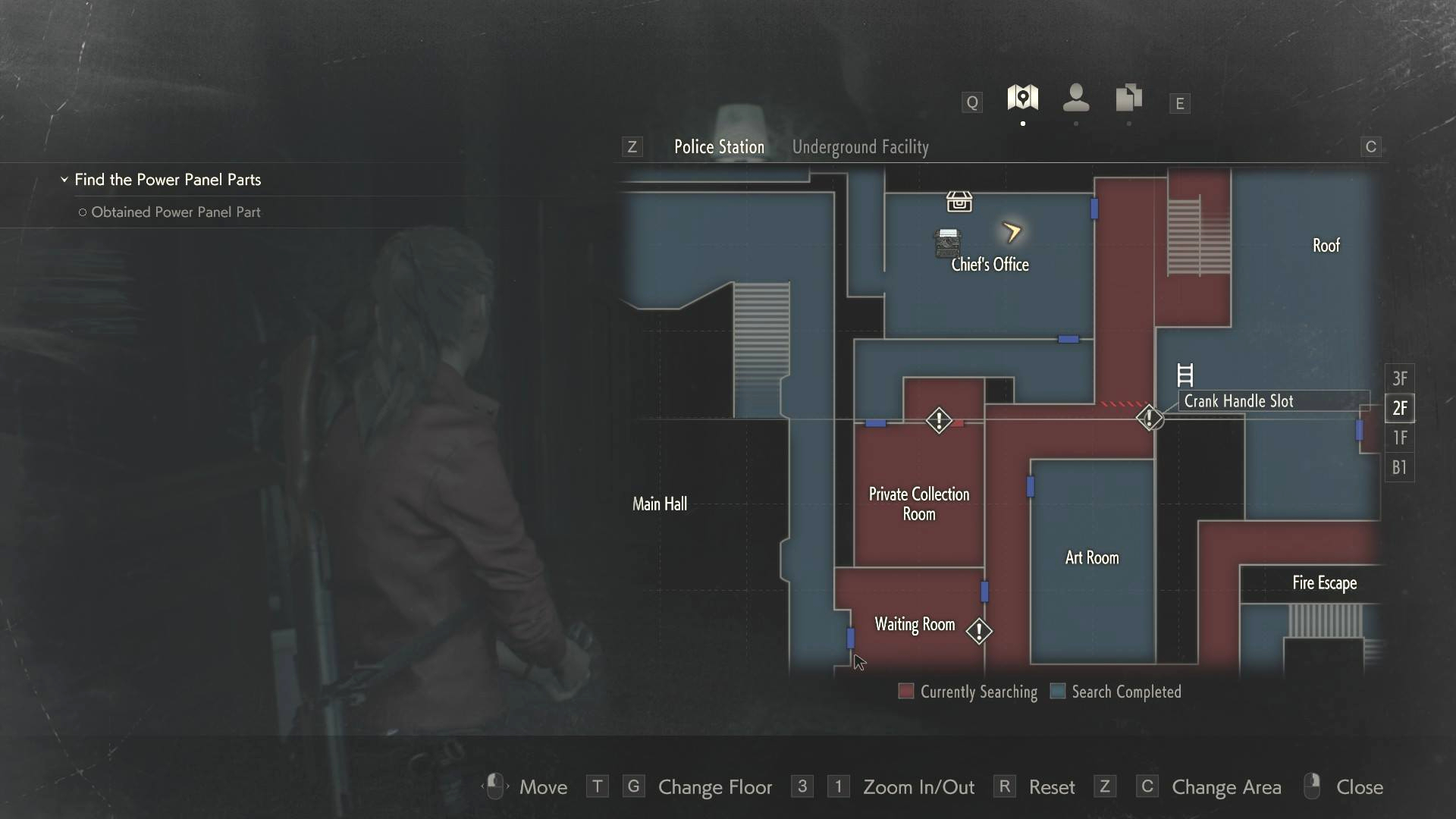
1. Color-Coded Room Completion: The map utilizes color coding to indicate the status of rooms within the game. Rooms are marked in red if they contain unexplored items or unresolved puzzles, signaling that players should revisit these locations. Once players have completed all tasks within a room, it turns blue. This visual cue allows for efficient tracking of progress and helps players concentrate their efforts on areas that still require attention.
2. Item Location Marking: Once players come into proximity with an item but choose not to pick it up, the map automatically marks the item’s location with a special icon. This feature is particularly beneficial given the game’s limited inventory space. It ensures that players can recall the locations of important items they may wish to retrieve later, thus streamlining their inventory management strategy.
3. Door Status and Lock Indicators: The map efficiently communicates the status of doors throughout the game. Icons indicate whether doors are locked and specify the type of key or item required for access. For instance, doors that require certain emblems (like spade or club keys) are clearly labeled. This functionality removes the guesswork that can often lead to frustration, allowing players to plan their routes without unnecessary detours.
4. Tooltips and Detailed Notes: By hovering over specific rooms, doors, or icons, players receive tooltips that provide crucial information, including names, lock details, and item descriptions. This quick-reference capability allows players to gather essential information on the fly without the need to exit the map interface, enhancing the overall fluidity of gameplay.
5. Dynamic and Evolving Map: Unlike the static maps of earlier Resident Evil games, Resident Evil 2’s map evolves based on player exploration. As players uncover new areas, the map updates to reflect these discoveries, marking solved puzzles and collected items. This evolving nature of the map acts as a “living document” that continues to assist players throughout their journey, especially during tense moments when they are pursued by relentless enemies like Mr. X.
6. Backtracking Aid: The frequent need for backtracking in Resident Evil 2 is made more manageable with the map system. By providing a clear representation of routes, item locations, and puzzle statuses, the map alleviates feelings of disorientation and minimizes the time spent wandering aimlessly. This feature is crucial for maintaining momentum in a game where tension and resource management are key.
Conclusion
Overall, the map system in Resident Evil 2 significantly enhances the gameplay experience by providing a visually rich, informative, and user-friendly interface. It tracks critical elements such as player progress, item pickups, puzzle completions, and door locks, facilitating smoother navigation and strategic planning. With these features, players can focus on the survival horror elements of the game while feeling less burdened by navigation challenges, contributing to the title’s acclaim as a modern classic in the survival horror genre.
Leave a Reply