
In Return of the Obra Dinn, solving the mysteries surrounding the fates of the crew members hinges significantly on interpreting body positions and other associated visual clues. Below is a comprehensive guide to utilizing these elements effectively:
Using Visual Clues
1. Body Orientation and Position:
– Location Significance: Pay close attention to where each body is found on the ship. A body located near the ship’s rail, for example, could imply a fall or being thrown overboard. The proximity of the body to the edge can suggest the nature of the incident.
– Pose Analysis: The way a body is positioned can reveal vital information. A slumped posture might indicate unconsciousness or death due to injury, while a rigid posture could suggest a sudden and violent end.
– Surrounding Environment: Consider nearby objects or structural elements that could have contributed to the death, such as ropes that could indicate a hanging or a projectile that caused injury.
2. Injuries and Wounds:
– Visible Trauma: Examine any injuries noted on the body. For instance, severe head trauma could indicate a violent confrontation, while wounds that appear consistent with stabbing suggest a different type of assailant or situation.
– Blood Spatter: Look for blood patterns or pooled blood around the body, which can provide hints regarding the nature of the fatal event.
3. Nearby Objects or Clues:
– Evidence in Context: The presence of certain objects can be telling. Weapons, discarded belongings, or even vital parts of the ship can point toward how the death transpired. For instance, a gun found near a body might suggest gunplay, while broken machinery parts could imply an accident.
Analyzing Death Scenes
1. Still-Life Visions:
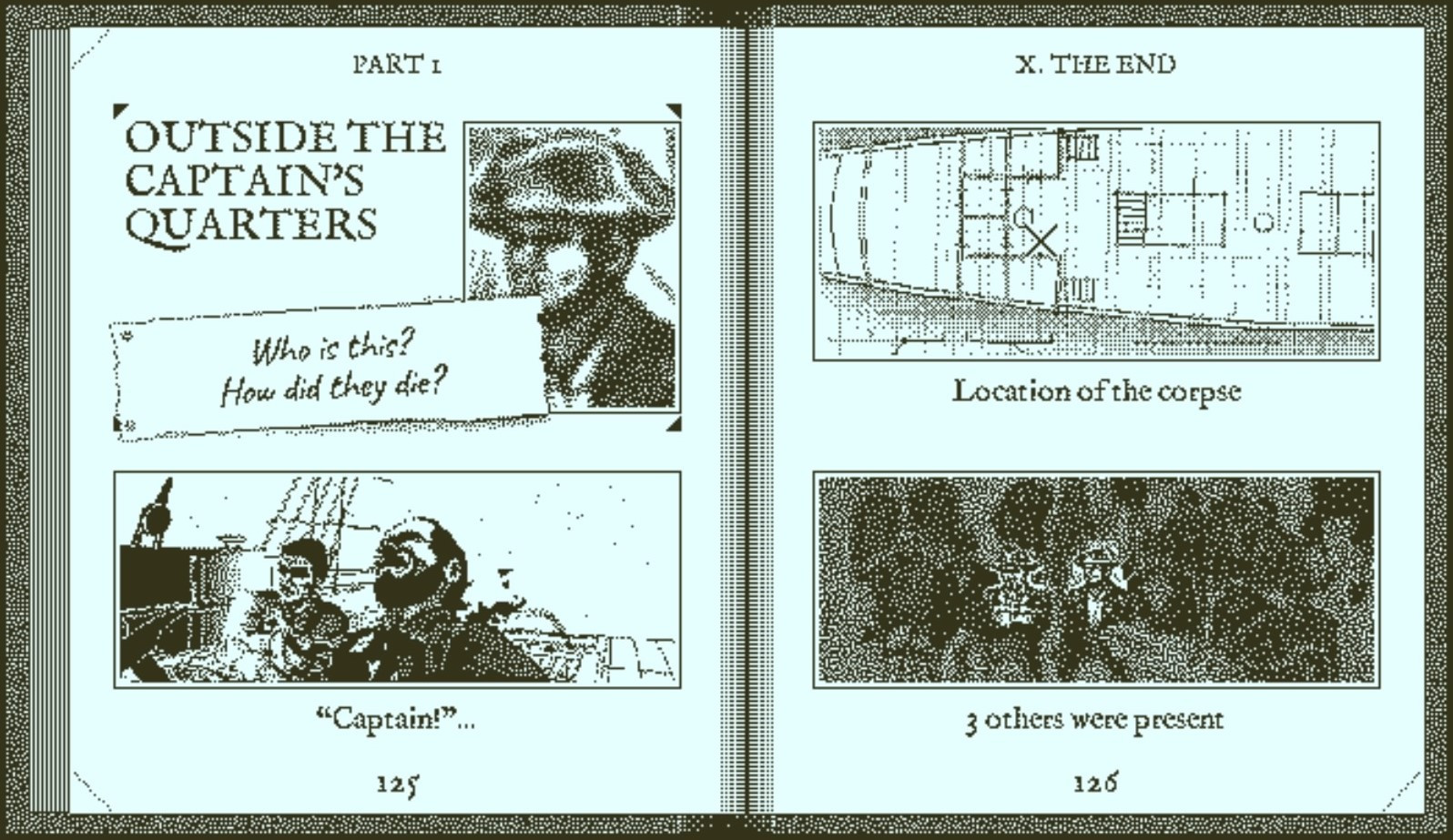
– Freeze Frame Analysis: The still-life presentation of death scenes allows for detailed scrutiny. Look for interactions and placements of characters in these moments, as they can hint at the circumstances surrounding the death [4].
2. Character Interactions:
– Observational Dynamics: Analyze the interactions between characters present in the death scenes. This can reveal underlying tensions, alliances, or conflicts that may have contributed to the fatal outcome.
3. Environmental Setting:
– Context is Key: The specific location of each death plays an essential role in understanding the sequence of events. For example, accidental deaths may occur in areas with hazardous equipment, while confrontations may take place in more confined quarters.
Combining Clues and Deductions
1. Filling Out the Logbook:
– Documentation of Findings: As you gather clues, methodically fill out the logbook with your conclusions. Each correct deduction will be confirmed through a transition from handwritten to typeset text, indicating correctness [4].
2. Iterative Process:
– Revisiting Scenes: Deductive reasoning is often a process of iteration. If certain entries remain unconfirmed, revisit earlier scenes to reassess clues—new pieces of information can shift your understanding dramatically.
3. Attention to Detail:
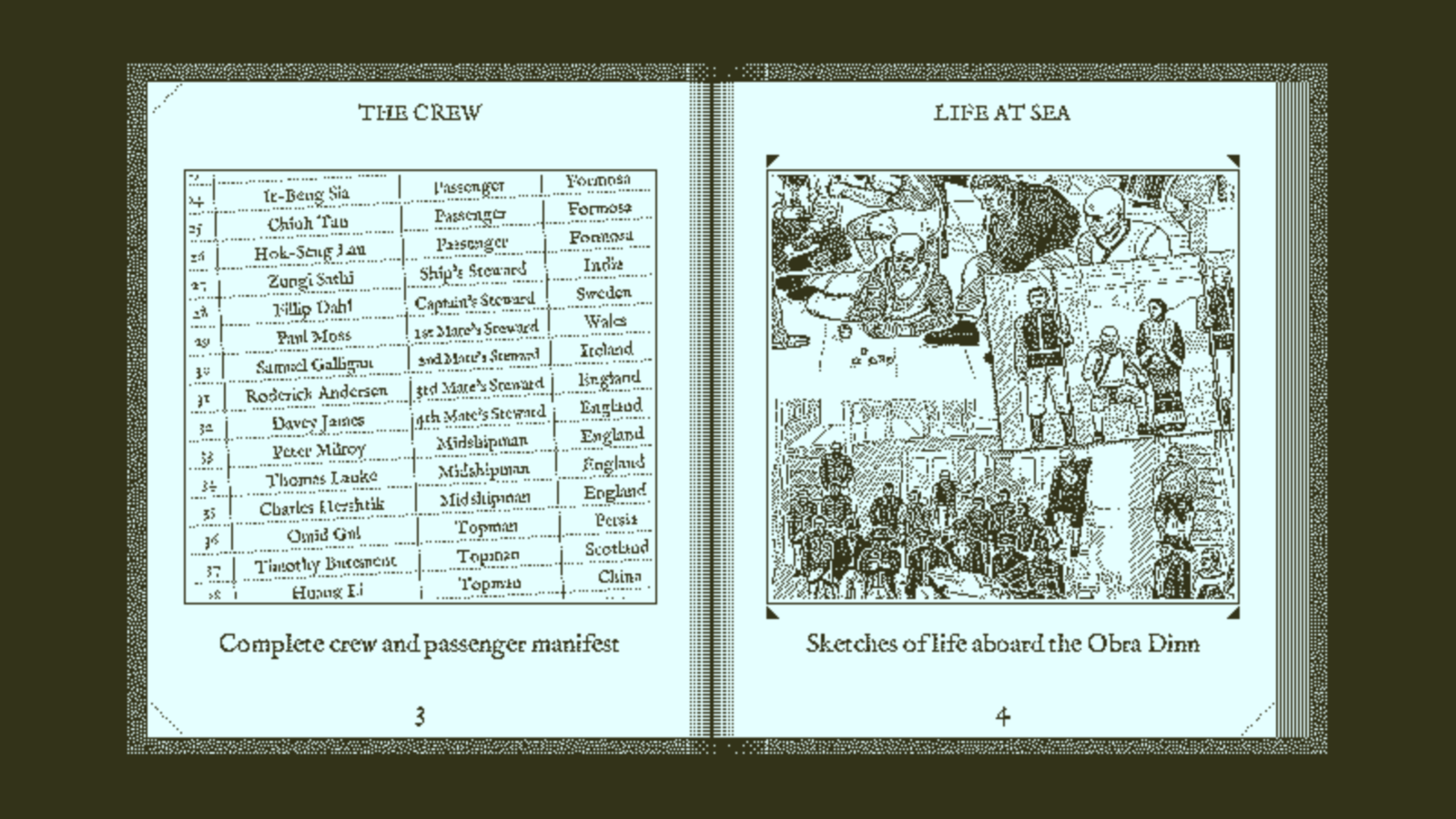
– Identifying Crew Attributes: Pay close attention to distinctive features such as clothing styles, tattoos, or accents that could assist in identifying crew members. These personal identifiers can link individuals to specific roles or events on the ship [3].
By meticulously observing body positions, analyzing the death scenes, and synthesizing all available clues, you will gradually unravel the captivating mysteries of Return of the Obra Dinn. This methodical and detail-oriented approach is vital to fully experiencing and solving the enigma presented by the game.


Leave a Reply