
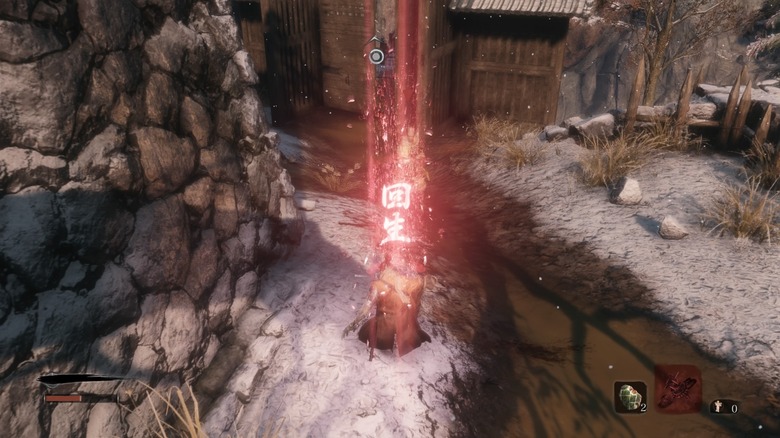
In Sekiro: Shadows Die Twice, the resurrection mechanic is a defining feature that significantly influences the gameplay experience. This system allows players to revive immediately after death, which can dramatically alter the flow of combat. Below is a comprehensive overview of how the resurrection system operates and strategies for effectively utilizing it.
Basic Resurrection Mechanic
1. Immediate Revival: When your character dies, you are granted a brief window (approximately 6 to 7 seconds) to resurrect. During this period, enemies typically turn away, assuming you are defeated. This moment creates an opportunity for you to regain the upper hand in battle, potentially allowing for a counter-attack or a surprise ambush.
2. Revival Limitations: You can utilize the resurrection ability only once per death unless you take action. To recharge your resurrection node for further revivals, you must defeat an enemy. Additionally, certain pivotal moments during boss fights may also open paths for additional revivals.
Restoring Resurrection Nodes
1. First Node: The first resurrection node can be restored simply by resting at a Sculptor’s Idol. This allows players to reset their overall status and prepare for future challenges.
2. Second Node: The second resurrection node must be restored through defeating a certain number of enemies. Alternatively, various special items can be employed, such as:
– Bundled Jizo Statue
– Jinza’s Jizo Statue
– Dragon’s Blood Droplet
These items can be essential in tight situations where you need to maximize your survivability during tough encounters.
Strategies for Recovery and Revival
1. Enemy Defeat: Actively engaging and defeating enemies is crucial for regenerating your resurrection nodes. This mechanic encourages players to adopt a more aggressive combat style, knowing they can revive if they manage to eliminate a foe.
2. Item Usage: Utilizing consumable items can be critical, especially in prolonged fights. If you find yourself low on resurrection nodes, the effective use of items like the Jinzo statues or the Dragon’s Blood Droplets can mean the difference between life and death.
3. Stealth Kills: The resurrection mechanic can serve as a tool for stealth gameplay. When enemies are distracted, using a well-timed resurrection can lead to stealth eliminations, dramatically altering the dynamics of a skirmish.
Difficulty and Strategy
1. Game Balance: The resurrection system is intricately designed to enhance the game’s overall difficulty. While it affords players another chance at life, it also adds a layer of strategic consideration, as players balance the risks of aggressive tactics against the consequences of death.
2. Strategic Use: Players can strategically decide when to use their revival, saving it for particularly challenging encounters or moments when they can maximize the surprise effect on their foes. This finetuning of tactics means death can, at times, be used as a strategic maneuver rather than merely a failure.
Conclusion
In summary, the resurrection mechanic in Sekiro: Shadows Die Twice encapsulates a balance between risk and reward, facilitating dynamic combat and encouraging tactical decision-making. By leveraging the opportunities this mechanic presents, players can engage in a more thrilling and aggressive playstyle while navigating the perilous challenges the game offers. Whether through strategic enemy engagements or clever use of items and stealth, mastering the resurrection system contributes significantly to the overall depth of the game.




Leave a Reply