
In Slay the Spire, the interplay between the draw mechanic, energy management, and cost reduction is fundamental in shaping player strategies and outcomes. Understanding these mechanics can significantly enhance a player’s effectiveness in navigating the game’s challenges and optimizing their deck. Here’s an in-depth look at how these components interact:
Draw Mechanic
Basic Draw: At the onset of each turn, players draw a default number of cards, typically five, which dictates the actions available for that round. This initial draw is critical as it sets the stage for strategic decisions.
Card Draw Manipulation: Certain cards or character abilities enable players to draw additional cards beyond their default allowance. This can be essential for quickly accessing important cards, such as powerful attacks or defensive options, amplifying overall deck cycling.
Energy and Card Costs
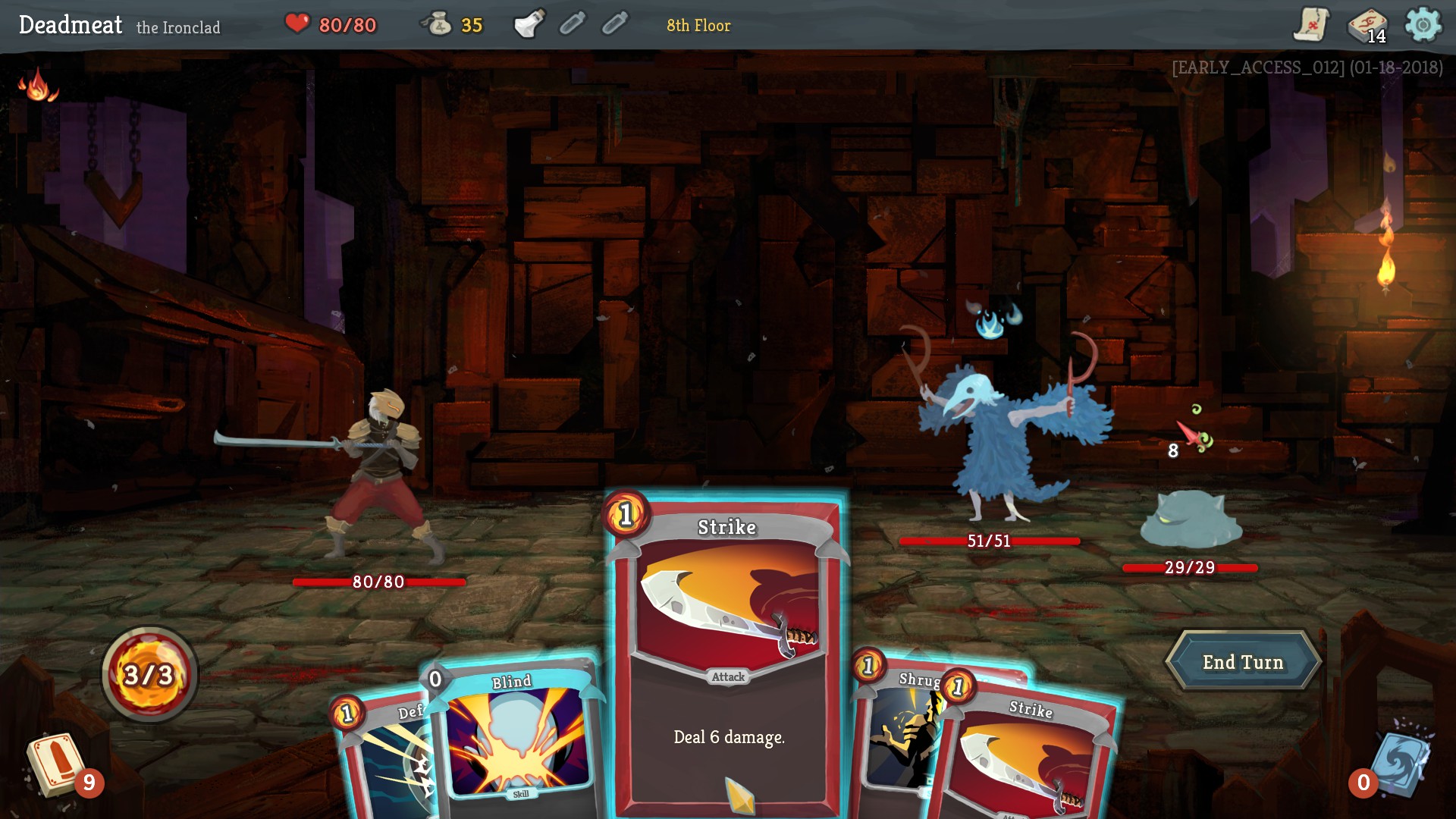
Energy System: Each turn, players have a limited pool of energy that dictates how many cards they can play. Cards vary in energy costs, often ranging from 0 to 3, making energy management crucial in executing strategies effectively.
Cost Reduction: Some cards or relics serve to lower the cost of other cards, which enables players to utilize their energy more efficiently. By reducing the cost of high-impact cards, players can maximize their actions per turn, effectively increasing their potential plays.
Interaction Between Draw and Energy
Energy to Card Draw Conversion
Certain cards can convert energy into draws, allowing players to expand their hand and access more options without accrual energy costs. This synergy can create momentum as players string together combos that leverage extensive card play and further draws.
Cost Reduction and Draw Efficiency
Efficiency through Cost Reduction: Lowering the cost of cards means players can play more of them during their turn. This is important in decks that have abilities which trigger effects on card plays, potentially allowing for powerful combos or card draw sequences to unfold.
Draw Optimization: Effective draw management ensures that players can access necessary cards regularly. By controlling which cards they draw, players can set up advantageous scenarios where they can exploit cost reductions to their benefit, creating high-efficiency turns.
Managing Deck Size
Card Draw and Deck Size: Drawing more cards facilitates cycling through undesirable cards swiftly, allowing players to discard unwanted options in favor of beneficial ones. This aspect is particularly powerful in maintaining momentum and ensuring optimal hand quality.
Energy-Efficient Draws: Using energy efficiently for card draws can liberate the player from being burdened with excess cards. Keeping their deck streamlined ensures that draws yield impactful results rather than cluttering the hand with lesser cards.
Examples of Interactions
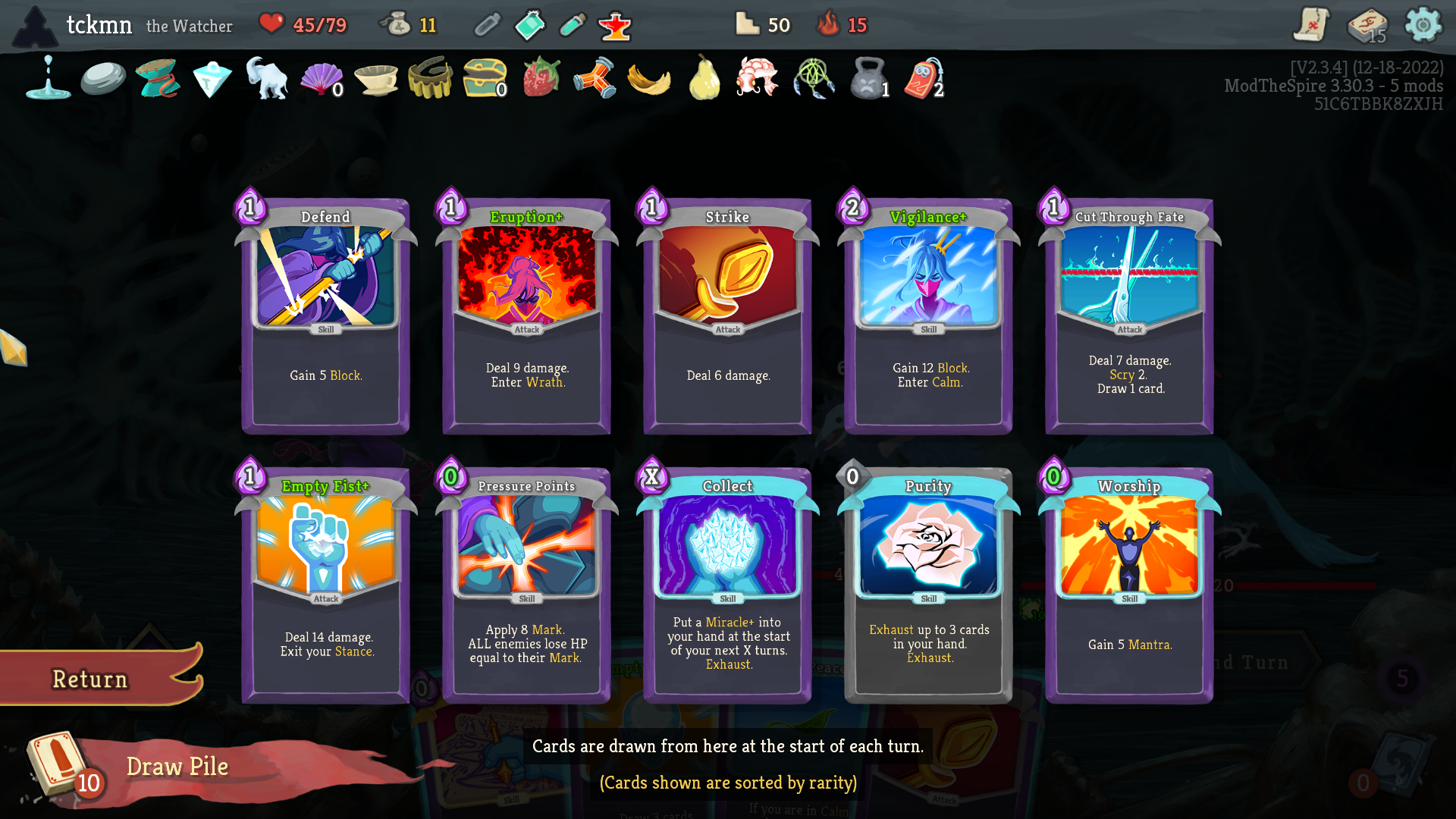
1. Rushdown and Fear No Evil (Watcher): The Watcher can engage in a powerful loop by combining Rushdown and Fear No Evil. This synergy enables card draws that maintain a robust hand while effectively managing different stances, particularly the wrath state.
2. Wild Strike and Evolve (Ironclad): For Ironclad, playing Wild Strike (which introduces clutter to the deck) followed by Evolve provides a mechanism to cycle through these unwanted cards rapidly. This can establish a potent draw engine, especially when complemented by other cards like Fiend Fire that enhance damage output.
Conclusion
In conclusion, the relationship between the draw mechanic, energy usage, and cost reduction in Slay the Spire is vital for strategic gameplay. By understanding how to manipulate these mechanics, players can create efficient decks and powerful combinations that elevate their chances of success against the game’s challenges. Mastering these interactions not only benefits gameplay but also enriches the overall experience of Slay the Spire.

Leave a Reply