
To play effectively on dynamic stages like WarioWare, Inc. or Big Blue in Super Smash Bros. Ultimate, players need to adopt a highly adaptable strategy that leverages the unique characteristics of these environments. Here’s a detailed breakdown to maximize success on these stages:
Understanding Stage Dynamics and Hazards
Moving stages demand constant adjustment of your positioning. Recognizing the movement patterns and hazards is crucial:
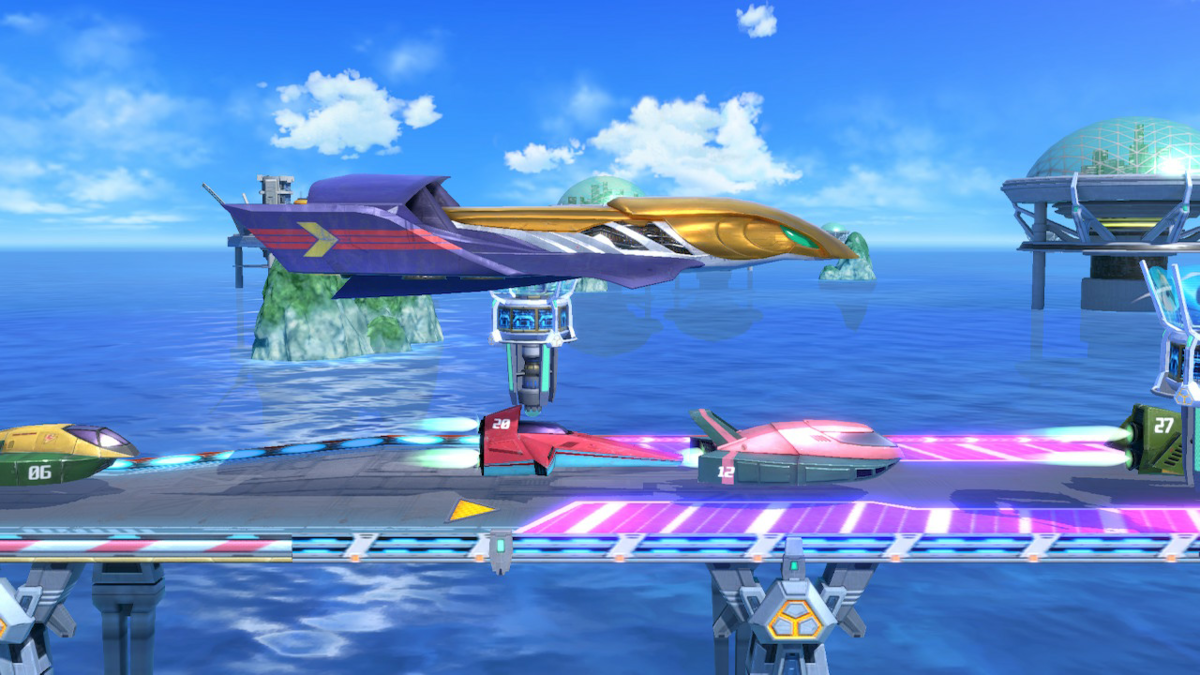
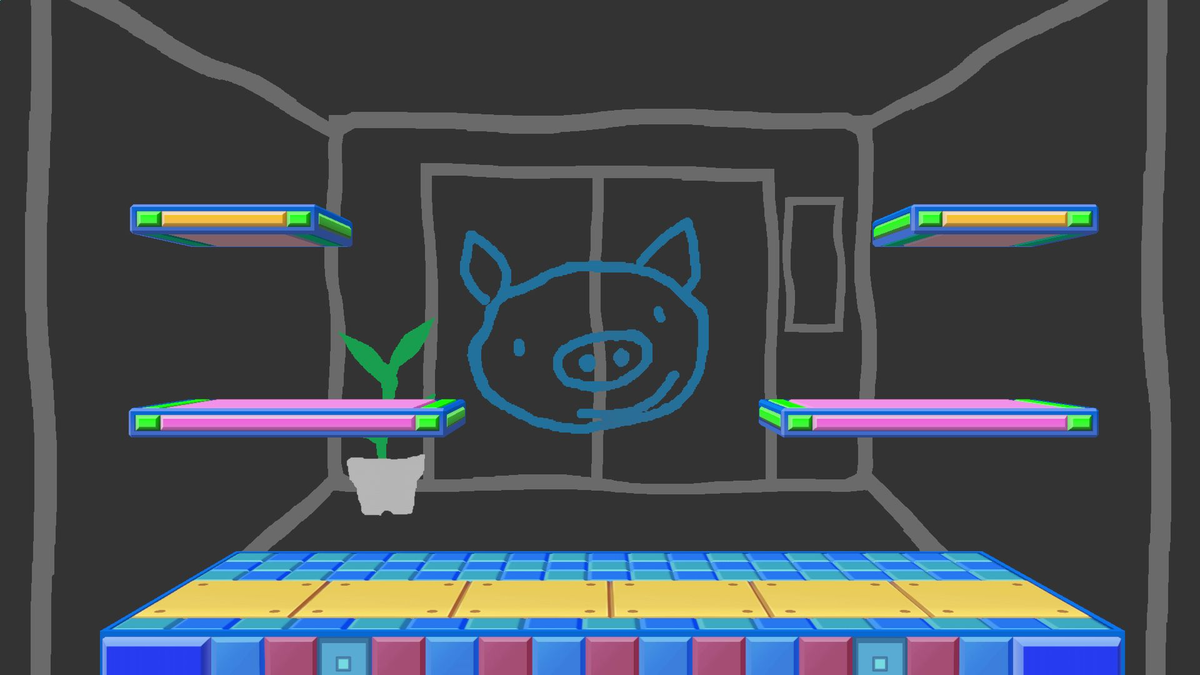
– Stage Layout: WarioWare, Inc. features small platforms that shift rapidly, while Big Blue has expansive, fast-moving platforms. Familiarity with these layouts allows for better spatial awareness and improves decision-making.
– Hazards: On WarioWare, Inc., certain micro-games can introduce additional quirks that require quick reflexes. In contrast, Big Blue’s high-speed platforms can lead to unexpected edge situations due to high-speed knockbacks.
Zoning and Movement Tactics
Utilizing effective zoning and movement strategies can significantly enhance your control over the match:
– Zoning Techniques: Characters with strong projectiles or large hitboxes can establish boundaries on the stage. For example, using characters like Samus or Link, players can create obstacles that limit opponent movement and dictate flow. This is especially useful on stages like WarioWare, where quick projectiles can dominate space despite constant stage shifts.
– Movement-Based Pressure: Swift characters such as Captain Falcon or Sonic benefit immensely from their speed. These players can “dance” around their opponents, taking advantage of the stage movements to set up ambushes. Varying timing and spacing with dashes and jumps creates unpredictability, frustrating opponents and allowing for effective pressure application.
Importance of Edgeguarding
An effective edgeguarding strategy is essential on moving stages:
– Longer Recoveries: Due to the shifting nature of platforms on stages like Big Blue, opponents often find themselves in vulnerable positions during recovery. Maintaining aggression near the ledge can capitalize on these opportunities, leading to earlier knockouts.
– Mixing Up Edgeguard Techniques: Using aggressive moves to intercept recoveries (such as back air or down smash) can punish opponents attempting to navigate the chaotic space. Don’t forget to utilize the stage’s unique hazards to your advantage during edgeguarding scenarios.
Adapting Ledge Play and Recovery
Moving stages complicate edge play and recovery, necessitating clever adaptations:
– Ledge Release Techniques: Mastering ledge release mechanics allows players to catch opponents off guard. Mixing up timings and directions of release can create opportunities to surprise and outmaneuver them as they attempt to return to the stage.
– Consider Stage Movement in Recovery: Understanding where the platforms and stage components will be during recovery situations helps avoid unnecessary deaths, especially in the chaos of WarioWare or Big Blue.
Mastering Movement Skills
The key to navigating the chaos of moving stages lies in refining movement mechanics:
– Practice Core Skills: Techniques such as perfect pivoting, wave dashing, or fast falling become crucial. Regular practice in these areas enables seamless adaptation to the shifting platforms and ensures you can maintain control despite the unpredictable nature of the stage.
– Stage Familiarization: Spending time in training mode or playing casually on these stages allows players to develop an intuition for timing, positioning, and hazard avoidance. The better you know the stage dynamics, the more effectively you can exploit them.
Conclusion
To excel on moving stages like WarioWare, Inc. or Big Blue, players should implement smart zoning, utilize fast and unpredictable movement patterns, practice aggressive edgeguarding, adapt their ledge game, and master the intricacies of stage mechanics. By mastering these elements, you will maximize your effectiveness and maintain control over the match, leading to a higher success rate during competitive play.

Leave a Reply