
In the game Gorogoa, the hint system is crafted to enhance the player experience by offering gentle guidance without overtly revealing solutions. This allows players to engage with the puzzles while retaining a sense of autonomy and accomplishment. By highlighting or pinging specific areas on a panel, the hint system directs players to interactable elements, which can be especially beneficial in the game’s early stages where players are still acclimating to its mechanics and visual language.
However, the effectiveness of this hint system appears to diminish in the later stages of the game. Some players have reported that hints can lead to circular attempts—where players click on areas that do not advance their progress—or cause confusion, particularly in situations where images overlay one another, obscuring what can be interacted with. This challenge can detract from the player’s experience, highlighting a critical balance that the hint system must achieve between providing assistance and allowing space for problem-solving.
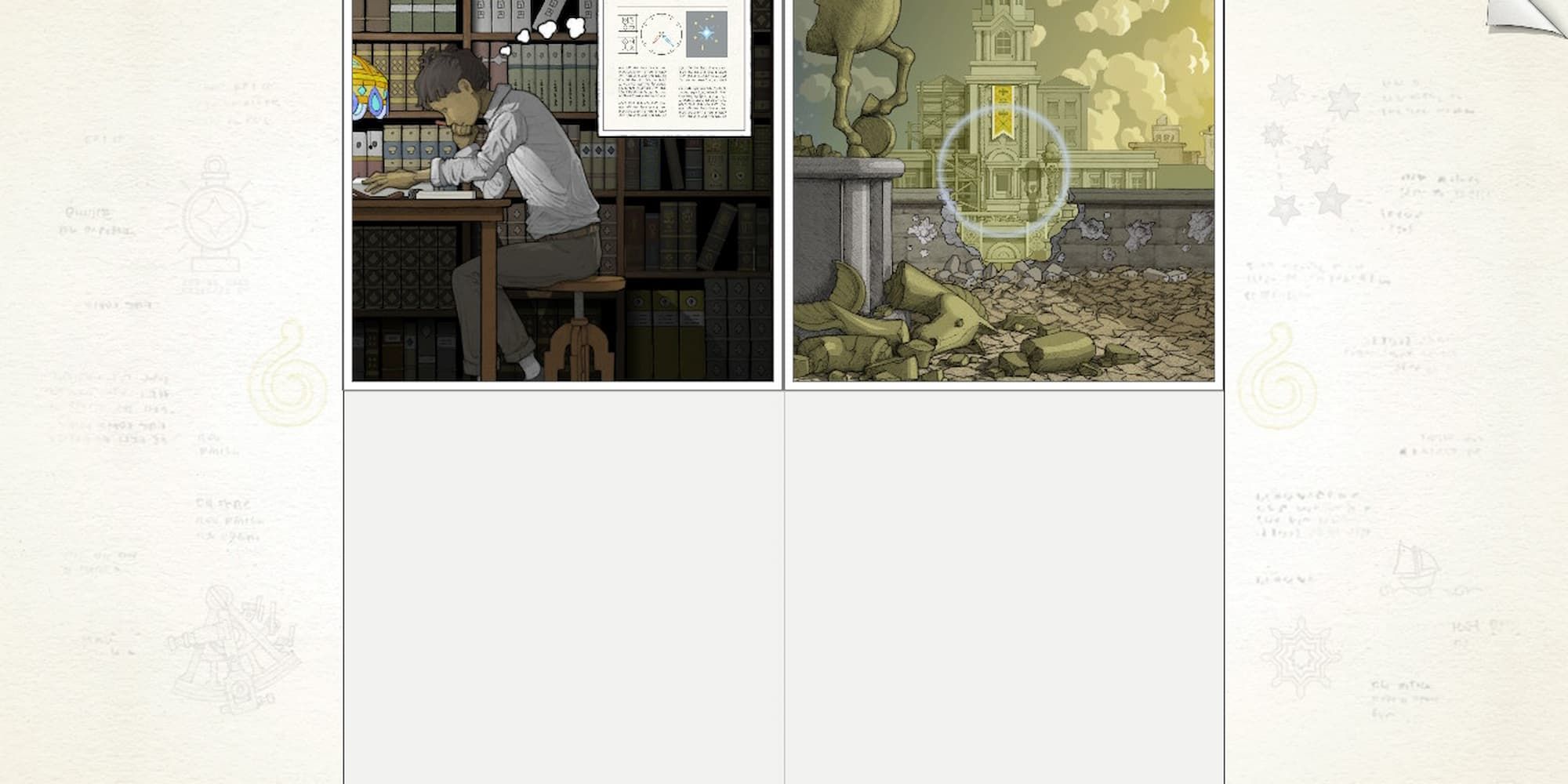
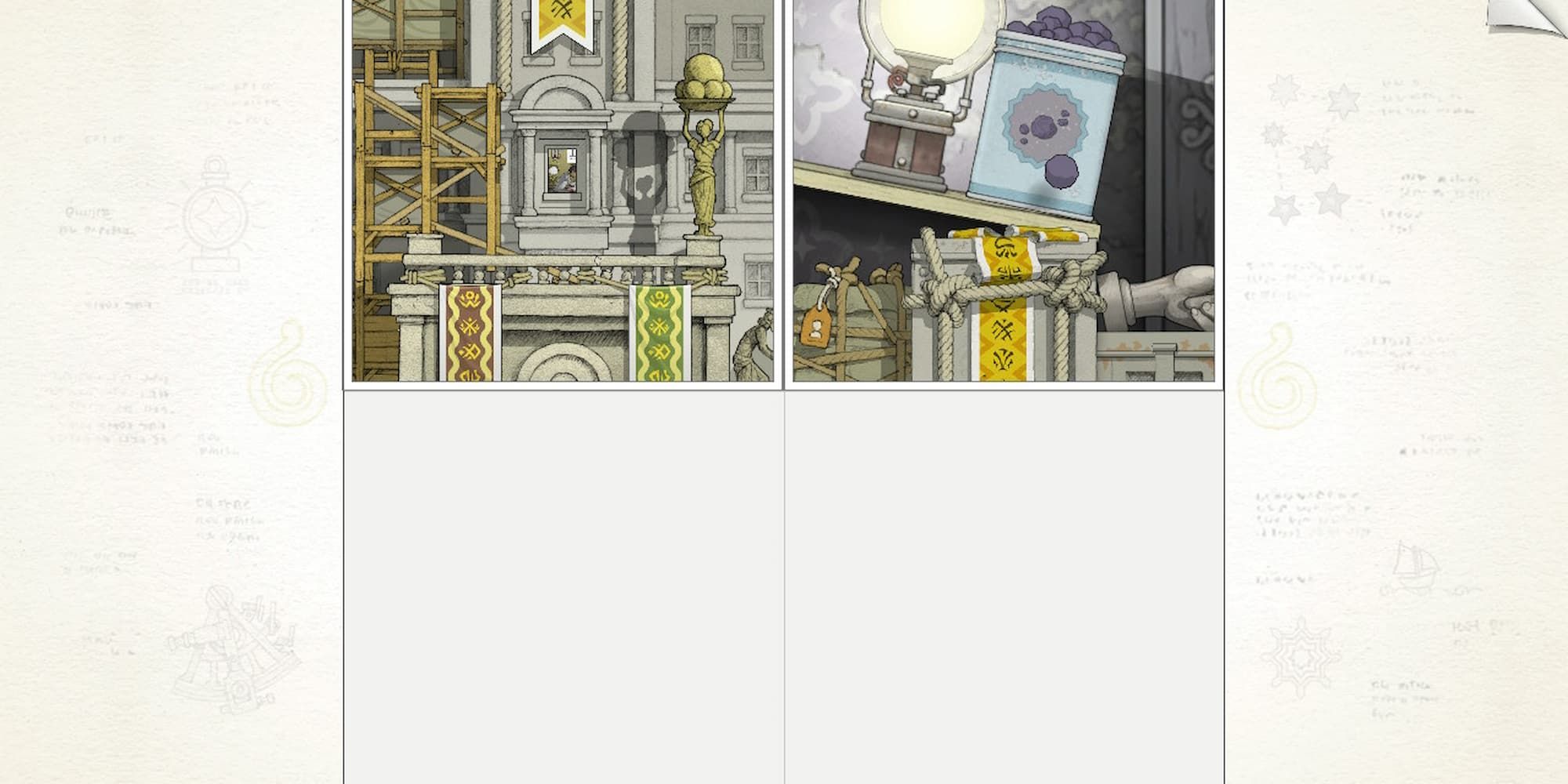
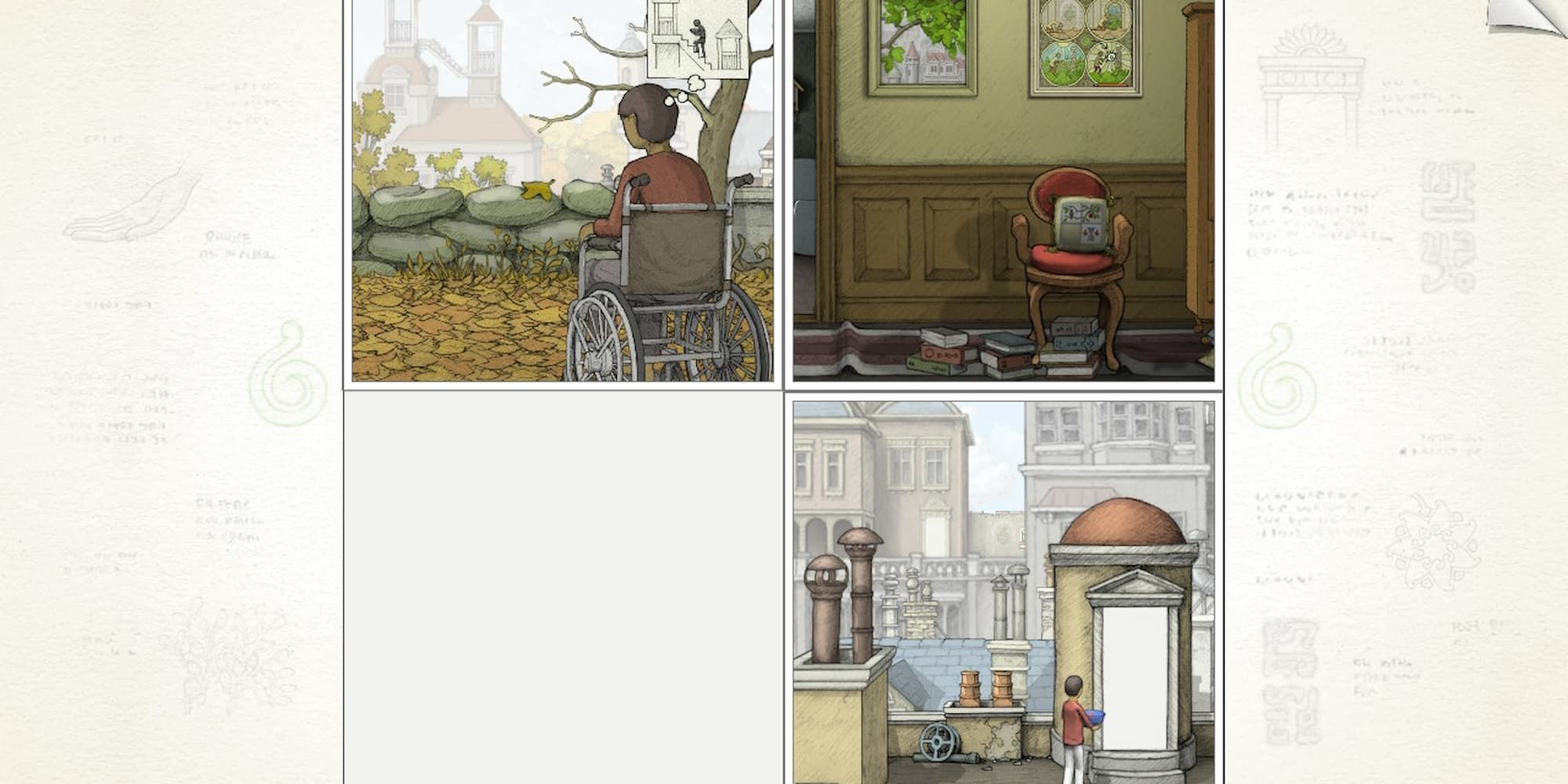
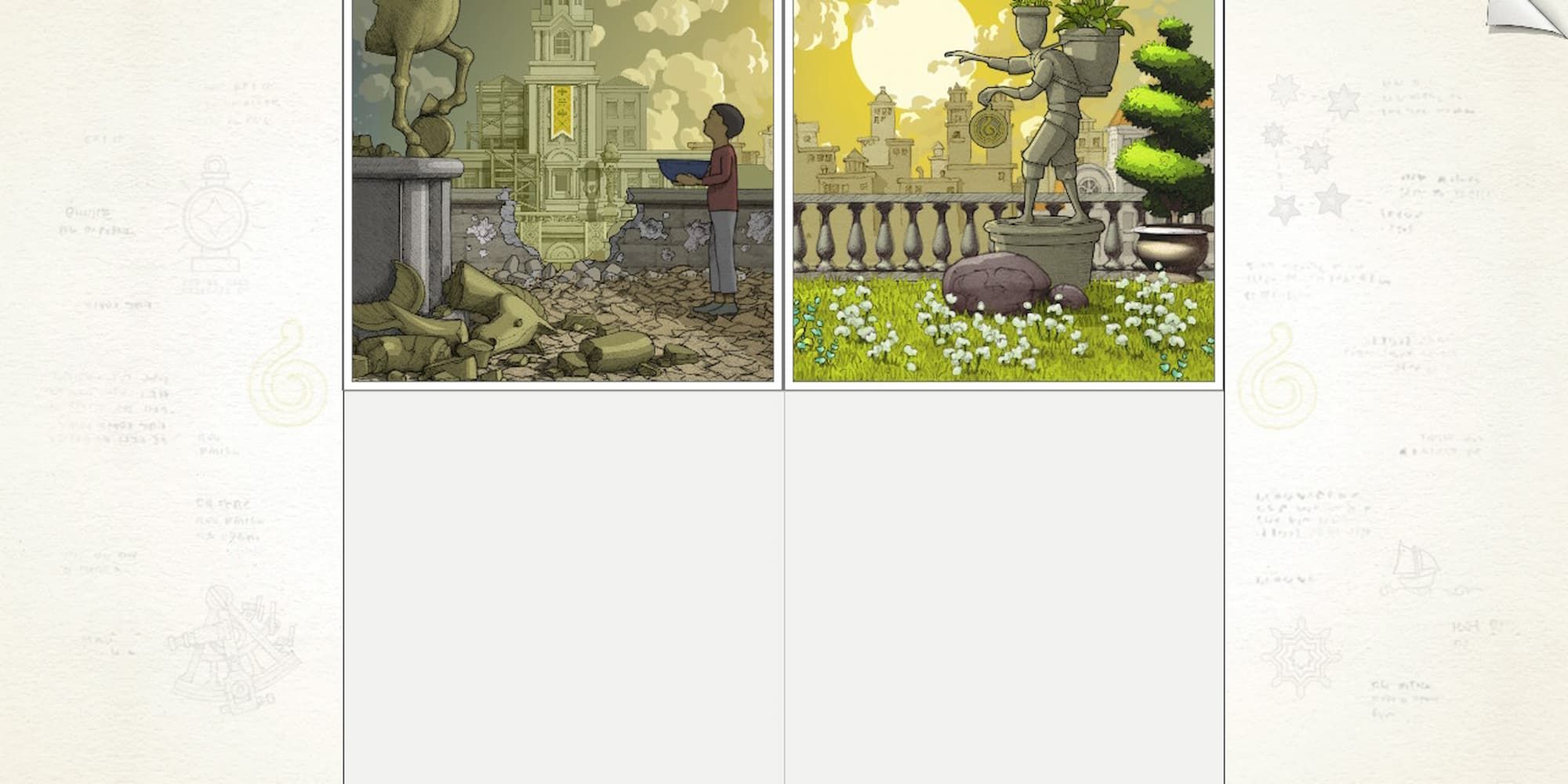
The puzzles in Gorogoa are intrinsically linked to visual manipulation and spatial reasoning, requiring players to navigate between the four panels creatively. The game’s narrative supports this by offering context and conceptual cues, subtly preparing players for the challenges they will encounter without explicit direction. This encourages a form of discovery that is central to the game’s design philosophy.
In summary, Gorogoa’s hint system serves as a valuable tool that aims to strike a balance between making the game accessible and maintaining its level of challenge. By offering non-intrusive hints, players can experience the joy of discovery, thereby minimizing frustration from encountering complete dead-ends. This thoughtful design choice fosters a rewarding gameplay cycle where exploration and intuition lead to personal solution-finding, enhancing the overall satisfaction derived from the game.
-2.jpg)
Leave a Reply