
Detailed Analysis of Gorogoa: The Role of Fruits, Insects, and Natural Elements
Gorogoa stands out as a unique puzzle game that intricately weaves together visual storytelling, narrative depth, and complex gameplay mechanics. The use of fruits, insects, and natural elements is central to unraveling its layered puzzles while simultaneously enhancing the story of the protagonist’s journey. Below is a detailed breakdown of how these elements contribute to the gameplay and narrative structure.
Fruits: Core Collectibles in the Narrative
Purpose and Puzzle Role
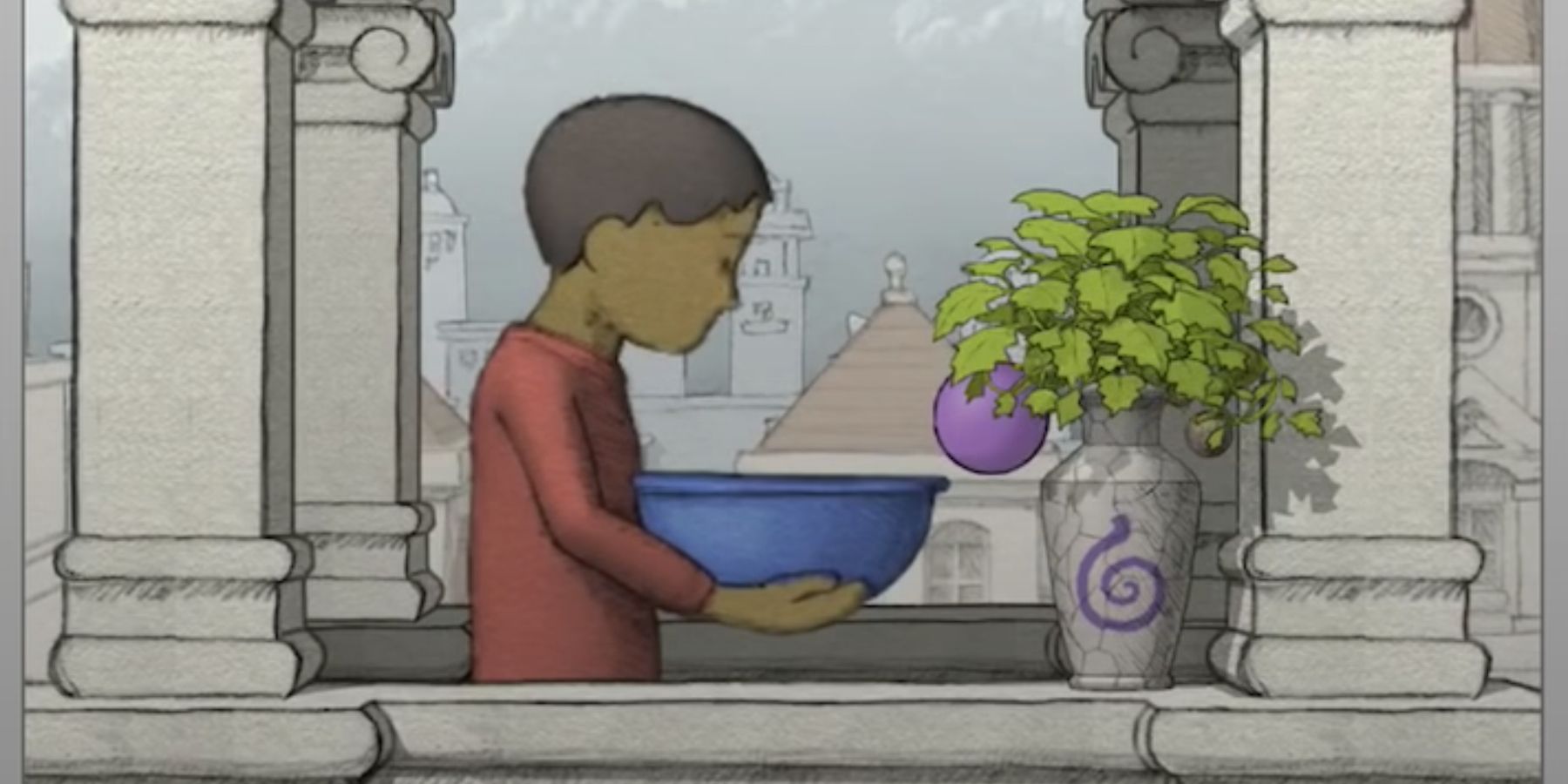
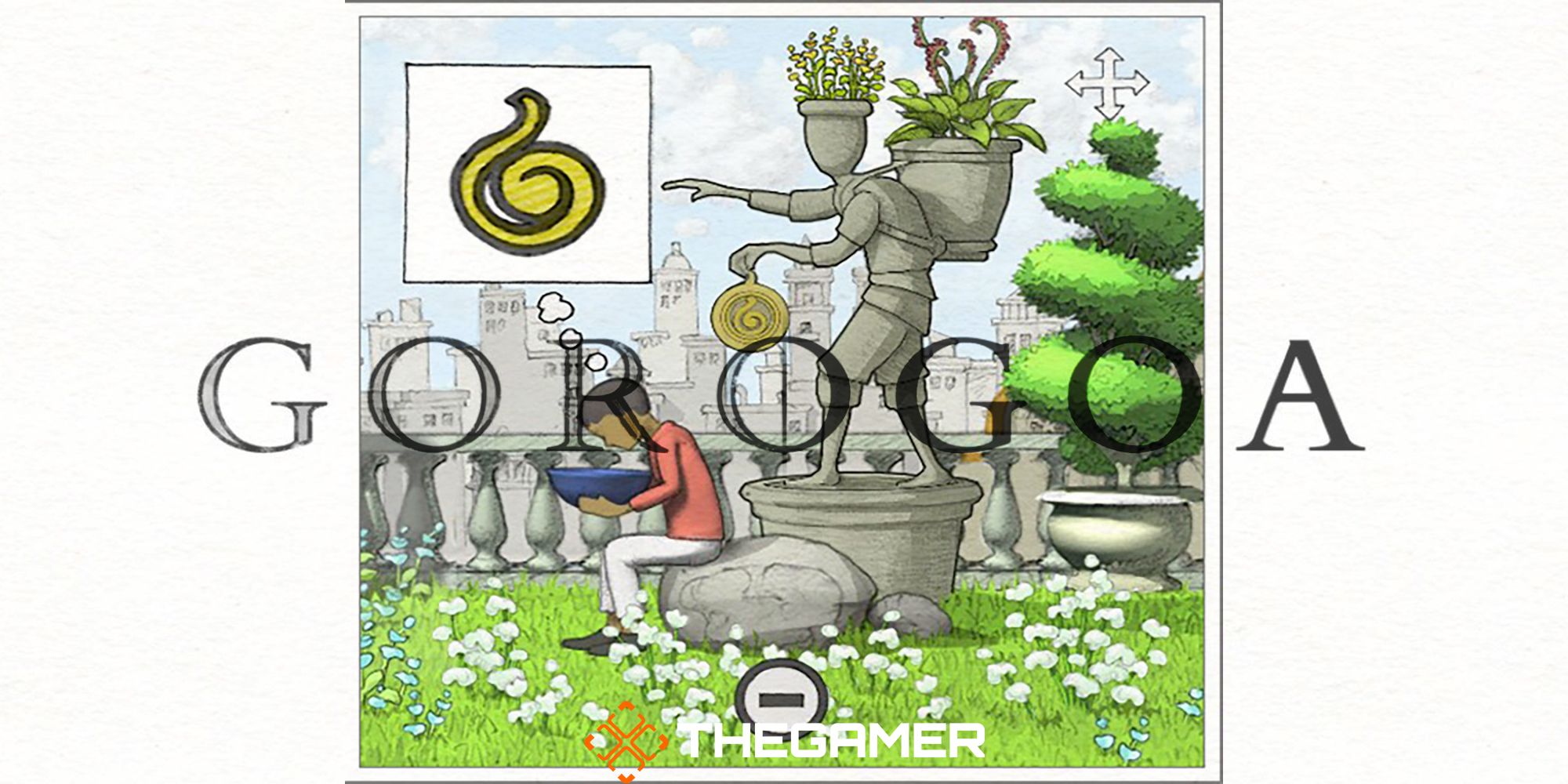
– Symbolic Collection: In Gorogoa, collecting five specific colored fruits—red, green, yellow, blue, and purple—serves as the primary objective. Each fruit is tied to different chapters and plays a crucial role in the progression of the narrative, symbolically representing milestones in the protagonist’s quest to confront the creature, Gorogoa.
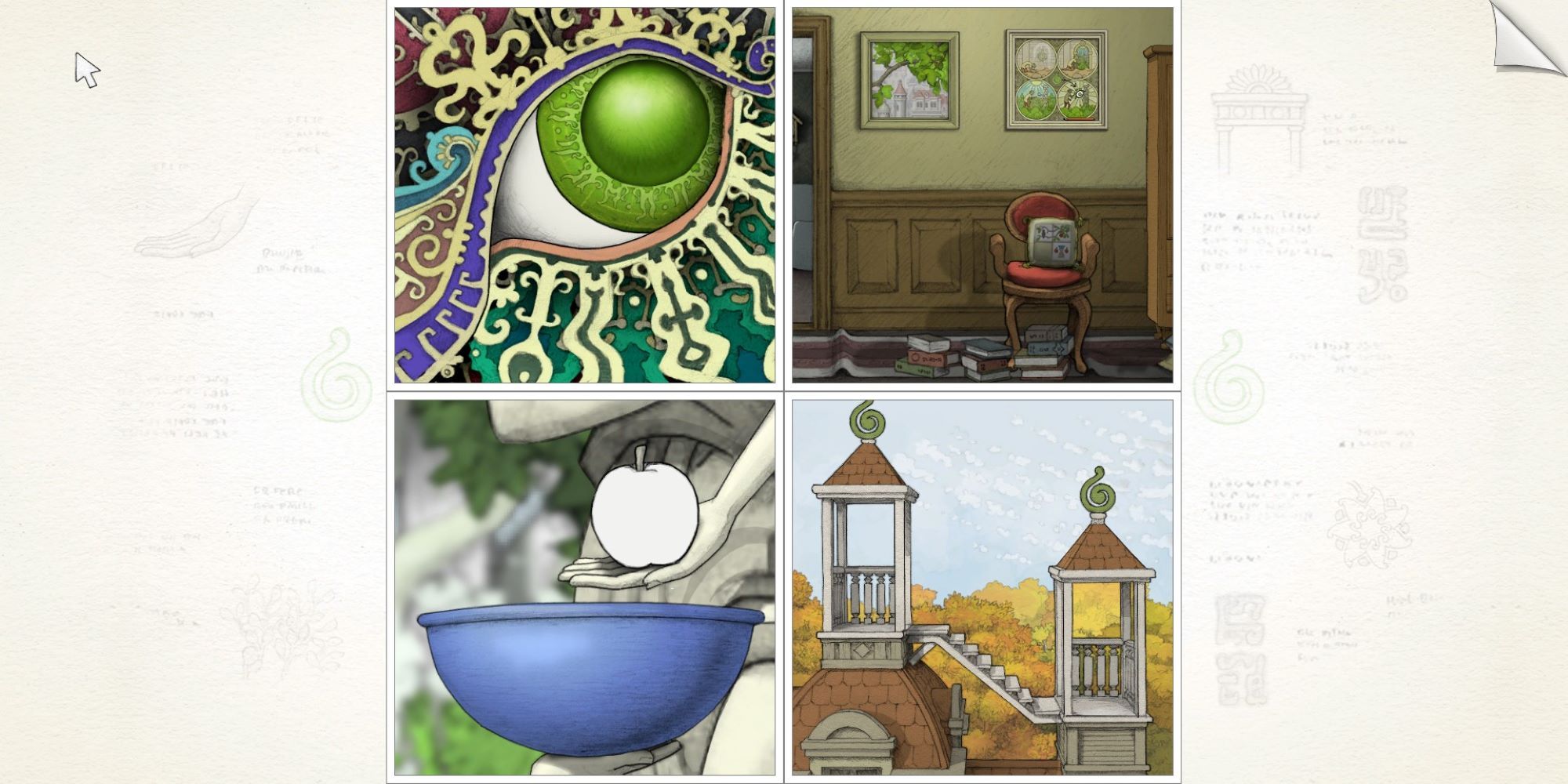
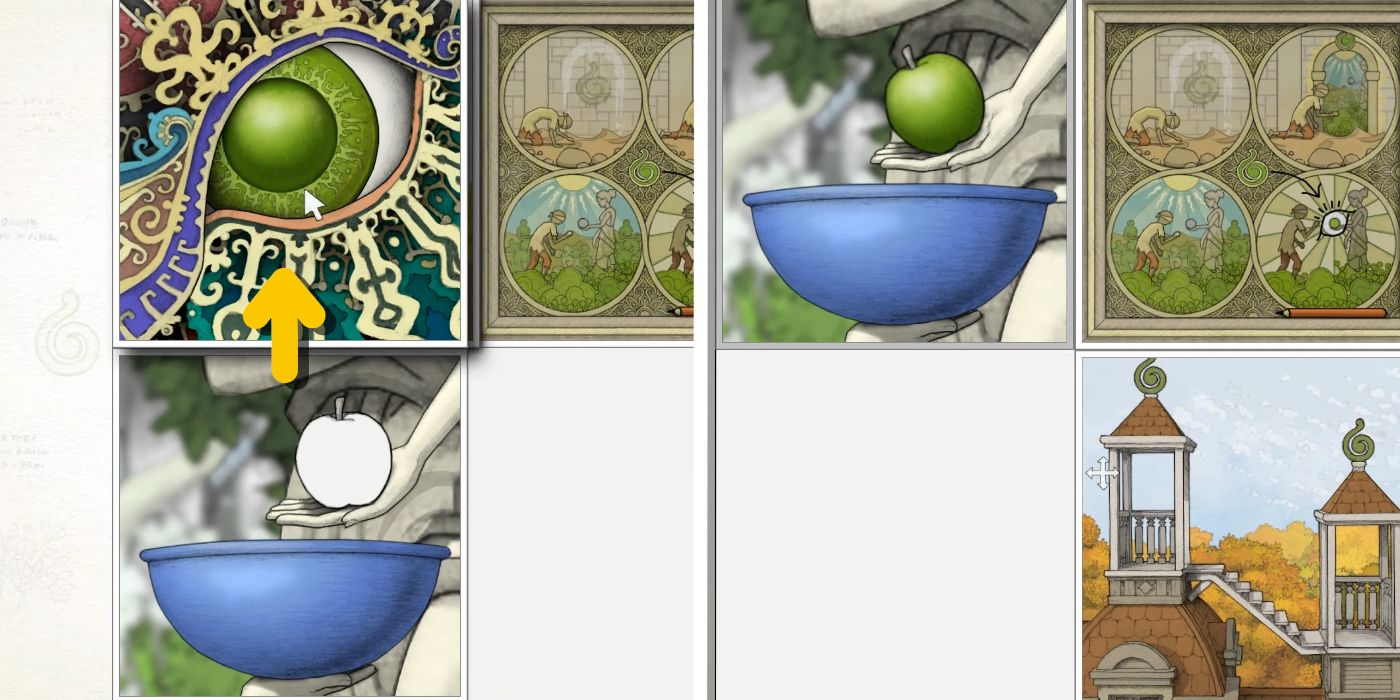
– Puzzle Triggers: Each fruit is obtained through solving intricate puzzles that involve manipulating the game’s two-by-two grid of images. For example:
– Red Fruit: This fruit is accessed by delving into memories; players must zoom into a photo in the boy’s apartment that contains a hidden apple tree, revealing the fruit through layered interaction.
– Yellow Fruit: Players need to interact with a moth’s wings to uncover the fruit symbol hidden beneath. This requires shifting panels and linking scenes to help the boy retrieve the fruit effectively.
– Visual and Structural Integration: Fruits are intricately embedded within the game’s artwork, often camouflaged within other elements. Accessibility requires keen observation and manipulation of the environment, emphasizing the connection between the visuals and the puzzle-solving process.
Insects and Natural Elements: Mechanics and Symbolism
Puzzle Mechanics and Symbolism
– Insects as Guides and Puzzles: Insects play an essential role in puzzle interactions, such as:
– Moths: The yellow fruit puzzle integrates the moth’s wings, which conceal the needed fruit symbol until players navigate through layers and interconnect various panels.
– Crows: Birds also contribute to gameplay by acting as interactive elements that can trigger scene changes or reveal hidden components necessary for progression.
– Natural Elements and Narrative Progression: Features like trees, gardens, and sunlight serve a dual purpose:
– Trees and Plants: They symbolize continuity and memory, pivotal for accessing certain fruits. The apple tree photograph in the boy’s apartment illustrates this well, acting as a gate to the first fruit.
– Light and Seasons: The manipulation of light and seasonal changes is critical for signaling the passage of time and transformation, often necessitating players to shift scenes or manipulate elements to reflect these dynamics accurately.
– Layered Interactivity: Many puzzles require players to engage deeply with natural elements, using them to uncover memories, connect past experiences, or reveal essential objects critical for advancement.
Overall Narrative and Gameplay Impact
Embedded Narrative Through Objects
– Non-linear Storytelling: The narrative unfolds non-linearly through the collection of fruits and interaction with insects and natural elements. Each fruit collected acts as a fragment that reveals more of the protagonist’s emotions and journey.
– Symbolic Progression: Each colored fruit not only serves as a puzzle piece but also marks a stage in the boy’s growth, while insects and nature present both guidance and obstacles.
– Continual Revisiting: The game encourages players to revisit panels and interact with elements repeatedly, symbolizing the nature of memory and the process of understanding one’s past experiences.
Summary Table
| Element | Role in Puzzle Solution | Chapter Example | Narrative Function |
|—————–|—————————————|———————-|——————————-|
| Red Fruit | Hidden in tree, requires zoom/layers | Chapter 1 | Memory, beginning of quest |
| Yellow Fruit | Hidden in moth’s wings, panel shifts | Chapter 3 | Challenge, deeper layers |
| Insects (Moth) | Hides fruit symbol, guide interaction | Chapter 3 | Guide, revelation |
| Birds (Crow) | Triggers scene change, reveals layers | Chapter 1 | Progression, discovery |
| Trees/Plants | Hides objects, represents memory | Multiple | Continuity, symbolism |
| Light/Seasons | Signals time, transformation | Throughout | Aging, change, transformation |
In conclusion, the intricate relationship between fruits, insects, and natural elements in Gorogoa is foundational for both the gameplay mechanics and the narrative structure. These components compel players to engage creatively, think critically, and interact deeply with the game’s evocative visuals, ultimately enriching the overall experience while progressing through the protagonist’s journey.

Leave a Reply