
In Gorogoa, the intricate environments play a crucial role in delving into the boy’s journey, offering a visual and symbolic exploration of war, memory, and spirituality that mirrors the various stages of his life. Each setting is meticulously crafted to enhance the narrative, showcasing how the boy navigates through his experiences shaped by trauma, growth, and a quest for understanding.
War-Torn City and Ruins
The journey begins with the stark imagery of a war-torn city, where the boy is first introduced as a child marked by the devastation of conflict. The environments are filled with rubble, broken buildings, and remnants of violence that vividly depict the scars of war. This setting not only establishes the gravity of the boy’s experiences but also symbolically represents the emotional and psychological burdens that arise from living through such trauma. It invites players to empathize with his pain and to grasp the realities of loss and survival[1].
Post-War Reconstruction and Urban Life
As the narrative progresses, the environments shift to reflect the post-war phase of the boy’s life—transitioning from a child to a student and ultimately to a man. These settings encapsulate the city’s long journey of reconstruction, featuring new towers, flourishing gardens, and signs of renewed urban life. This evolution in the environment symbolizes resilience and the enduring human spirit amidst recovery and rebuilding. It highlights the complexities of moving forward after great loss, as the boy navigates both the remnants of his past and the possibility of a hopeful future[1][2].
Sacred Places and Mystical Temples
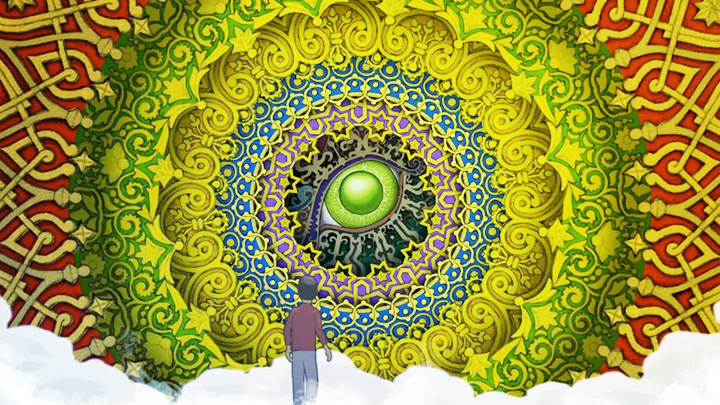
A pivotal aspect of the boy’s journey is his connection with the Gorogoa—a divine, radiant creature guiding him through ethereal and spiritual landscapes. These sacred places, often depicted as abstract temples with surreal elements, transcend traditional conceptions of time and space. The environments boast symbolic fruits and mystical structures, each representing various facets of the boy’s identity and experiences. This part of the journey signifies a deepening of the spiritual quest, inviting players to engage with themes of enlightenment, transformation, and the quest for deeper understanding[2].
Portrait Galleries and Visual Narratives
In one significant segment, the boy traverses a wall of portraits that encapsulates his memories and the passage of time. This setting cleverly blurs the lines between physical reality and metaphysical exploration, allowing players to reflect on themes of identity, legacy, and the intertwining of personal and collective history. The portrait galleries serve as a powerful narrative device, prompting contemplation about how memories shape who we are and how our past defines our present and future[4].
Natural and Cosmic Elements
Throughout Gorogoa, environmental elements that evoke nature and cosmic imagery—such as rustling leaves and radiant stars—enhance the mystical atmosphere of the boy’s journey. These subtle touches serve to connect the intimate human experience with the vastness of the universe, reinforcing the narrative’s exploration of existence, spirituality, and the interconnectedness of all life. They create a backdrop of wonder that complements the overarching themes of the journey[5].
Conclusion
In conclusion, the environments in Gorogoa are not mere settings; they are integral to the storytelling itself. They illustrate significant stages in the boy’s life, emphasize his struggles with trauma, and guide him on a mystical quest for connection and understanding with the Gorogoa. Each hand-drawn scene is designed to be interacted with in unique puzzle mechanics, seamlessly merging art and narrative to create a profound experience for players as they engage with the boy’s poignant story[3].

Leave a Reply