
In Night in the Woods, players experience the life of Mae Borowski, an anthropomorphic cat, as she navigates her small hometown of Possum Springs. Each day is filled with a variety of activities that contribute to Mae’s exploration of personal and communal themes. Here’s a detailed breakdown of her typical day:
1. Exploring the Town
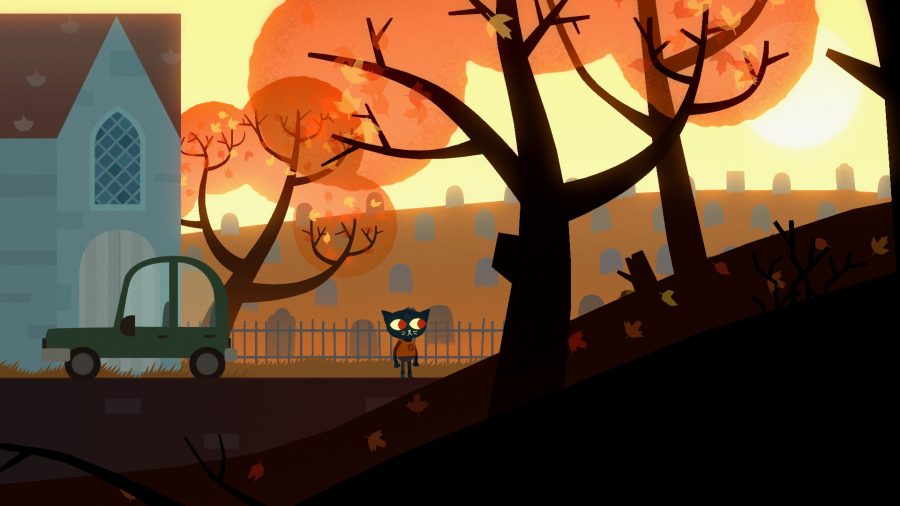
Mae’s adventure often begins with wandering around Possum Springs, where nostalgic locations await her visit. This includes:
– The Old Abandoned Sawmill Park: A site that evokes memories from her childhood.
– The Mall: A location reflecting the transitions in her life and the changes in the community.
– The Bus Station: Symbolic of the journeys that bring her back home.
Mae’s exploration serves not only as a way to uncover physical spaces but also to trigger memories and reflections on her past.
2. Socializing with Friends
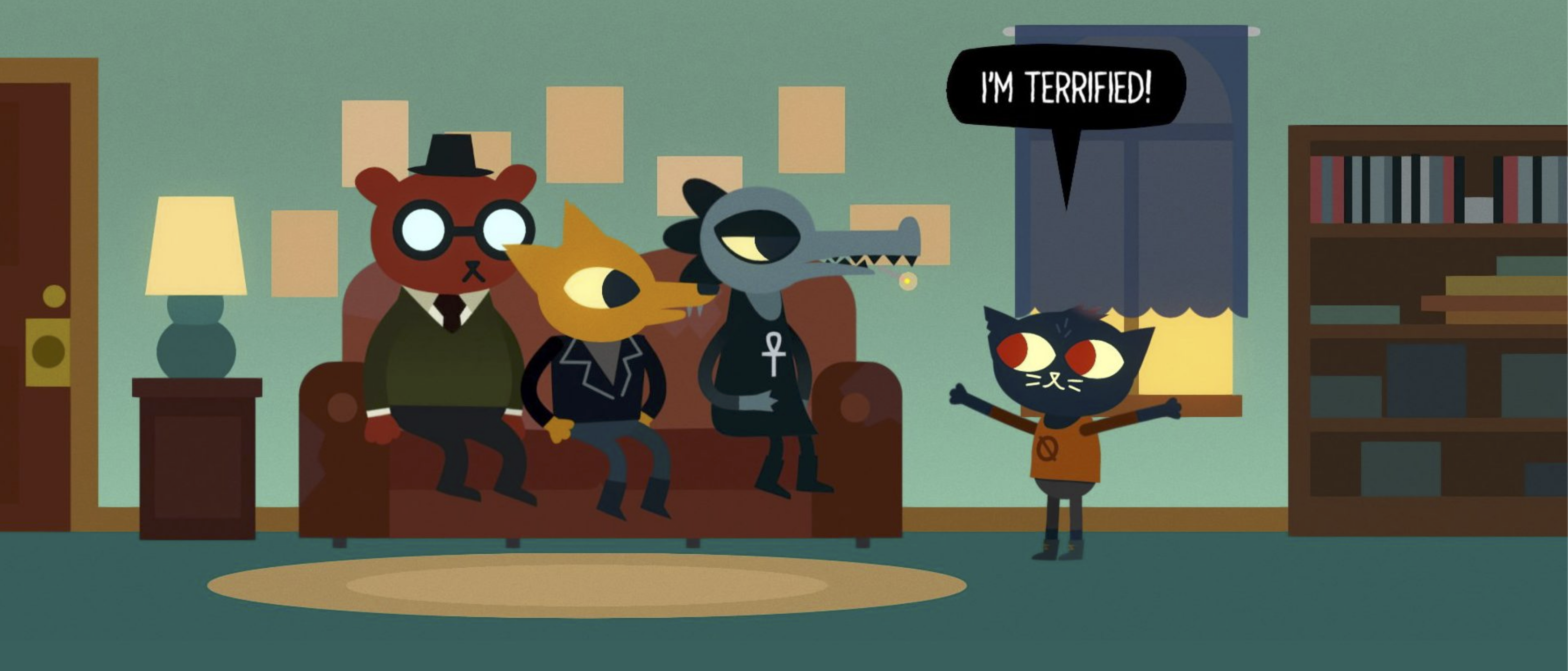
Central to Mae’s experience are her interactions with her friends—Gregg, Bea, and others—who round out her social circle. Their hangouts may range from:
– Dinner and Personal Conversations: Times of candor where Mae learns more about her friends’ struggles and aspirations.
– College Parties: Moments filled with youthful energy that reflect Mae’s own disconnection from her college life.
– Ghost Hunting Adventures: Quirky and fun explorations that strengthen the bonds between friends while introducing eerie elements of mystery.
Through these social interactions, players witness the evolution of relationships and the emotional weight they carry.
3. Mini-Games and Activities
Mae’s day is punctuated with playful mini-games and unique activities, which not only entertain but also provide insight into her character:
– Shooting Practice with Gregg: A way to engage with her friend while honing skills in a fun environment.
– Shoplifting: Mae uses a “stop-and-go” technique to evade detection, illustrating her rebellious side and the lengths to which she’ll go to reclaim a sense of autonomy.
– Stargazing with Selmers: Viewing constellations through a telescope every few days offers quiet, reflective moments that contribute to the narrative’s depth.
4. Story-related Tasks
As Mae progresses, she confronts various tasks and challenges that advance the story:
– Platforming Challenges: These physical challenges require Mae to navigate her environment actively, adding an interactive layer to the exploration.
– Interaction with Objects: Collecting sketches or memories reinforces the importance of the past and contributes to the overall narrative.
– Engaging in Cutscenes: These scripted moments unveil vital elements of Mae’s return home, her struggles with identity, and the mystery encompassing the town.
5. Dream Sequences
Mae’s experiences extend into surreal dream sequences that invite players into her subconscious. These segments allow for:
– Exploration of Surreal Environments: A departure from reality that delves into themes of anxiety and self-reflection.
– Object Destruction: The act of smashing objects can symbolize Mae’s desire to confront her emotional turmoil and reclaim her agency.
Summary
In essence, Mae’s typical day in Night in the Woods is a rich tapestry woven from exploration, social interactions, engaging mini-games, and meaningful story progression. Each element not only entertains but also deepens the player’s understanding of Mae’s character and the broader themes of community, nostalgia, and personal growth. Whether through the tenderness of her friendships or the mystery of her hometown, players are invited to partake in a journey that resonates on both emotional and reflective levels.



Leave a Reply