
In Night in the Woods, Mae’s dreams play a crucial role in enriching both the gameplay experience and the narrative depth of the story. They serve as a multifaceted mechanism that not only enhances player engagement through interactive sequences but also provides meaningful insights into Mae’s psychological state, the historical context of her hometown, and the overarching themes of the game.
Gameplay Function
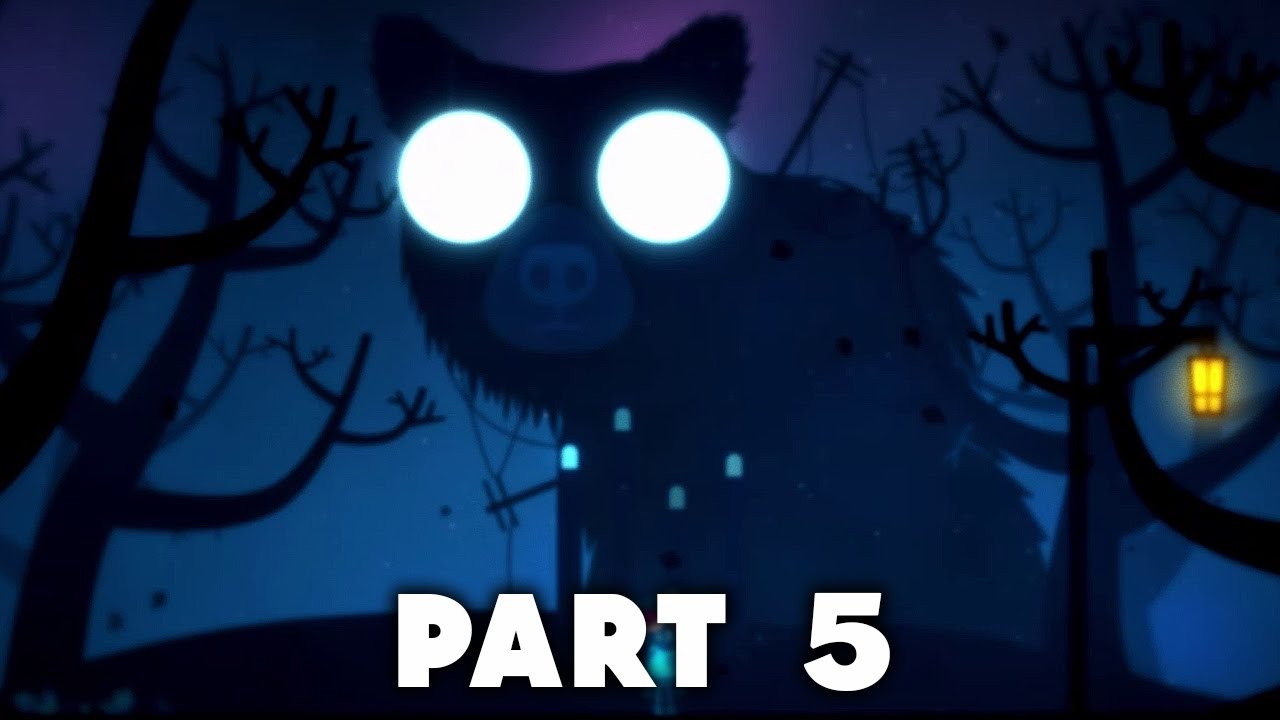
The dream sequences are distinct from the game’s primary mechanics, occurring almost every time Mae goes to sleep. During these segments, players engage in platforming and exploration within surreal, dreamlike environments. These sequences often involve navigating through abstract landscapes, solving simple puzzles, and interacting with unusual objects or characters. This interactive element offers a break from the main storyline while still maintaining a connection to Mae’s inner struggles. As the game progresses, the dreams become progressively more chaotic and ominous, mirroring Mae’s deteriorating mental health and rising anxiety. This gameplay mechanic not only provides variety but also serves as a reflection of Mae’s psychological journey, allowing players to feel her increasing unease.
Narrative and Thematic Role
Beyond their gameplay function, Mae’s dreams are rich with narrative significance. Each dream offers symbolic representations of deeper themes, providing players with glimpses into the history of Possum Springs and its inhabitants, as well as foreshadowing potential outcomes. One particularly poignant dream, the “Astral Train,” symbolizes the town’s decline and the inevitable sense of loss experienced by its residents. This dream encapsulates the broader themes of change and nostalgia, capturing the feeling of a community in transition.
Moreover, Mae’s dreams introduce an element of horror and mystery, often referencing supernatural elements that permeate the story. Entities such as the Black Goat and the enigmatic “Cult of dads” manifest in her dreams, heightening the game’s tension and adding layers to the narrative. These supernatural references not only enrich the storyline but also enhance the eerie atmosphere that contrasts sharply with the game’s otherwise lighthearted daytime interactions.
Emotional Complexity
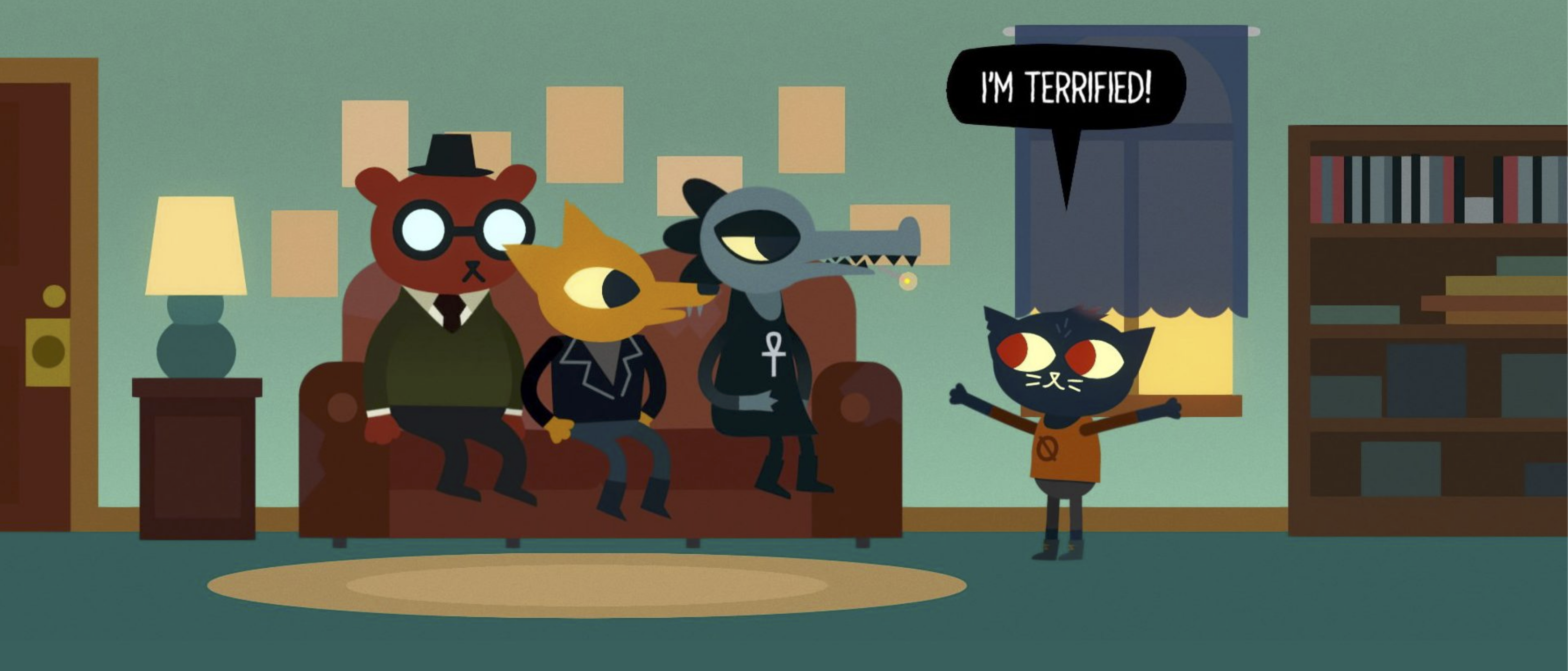
The juxtaposition of Mae’s dream sequences with the daytime gameplay creates a compelling rhythm throughout the game. Daytime events typically offer a more cheerful and humorous tone, while the dreams invoke darker, more unsettling themes. This contrast fosters emotional complexity as players navigate Mae’s life, accentuating both the burdens of her mental health and the haunting realities of her environment. The buildup of tension in the dreams followed by the lighter daytime gameplay invites players to experience a range of emotions, deepening their connection with Mae’s character and her struggles.
Summary
In summary, Mae’s dreams in Night in the Woods are an integral part of both the gameplay mechanics and the narrative structure. They function as interactive sequences that challenge players while simultaneously serving as a profound storytelling device. By depicting Mae’s psychological turmoil, unraveling hidden historical contexts of Possum Springs, and invoking the supernatural elements of the game, these dreams are essential for cultivating a comprehensive understanding of the game’s deeper themes and emotional impact. The seamless blend of playful exploration and poignant symbolism in Mae’s dream world underscores the game’s exploration of mental health, community, and the haunting nature of change.



Leave a Reply