
In Night in the Woods, players delve into the richly crafted town of Possum Springs through the eyes of Mae Borowski, a young cat who returns home after dropping out of college. The town’s design reflects its struggling economy and history, with each area contributing to both gameplay and storytelling. Here’s a detailed overview of the key areas Mae can explore:
Key Areas in Possum Springs
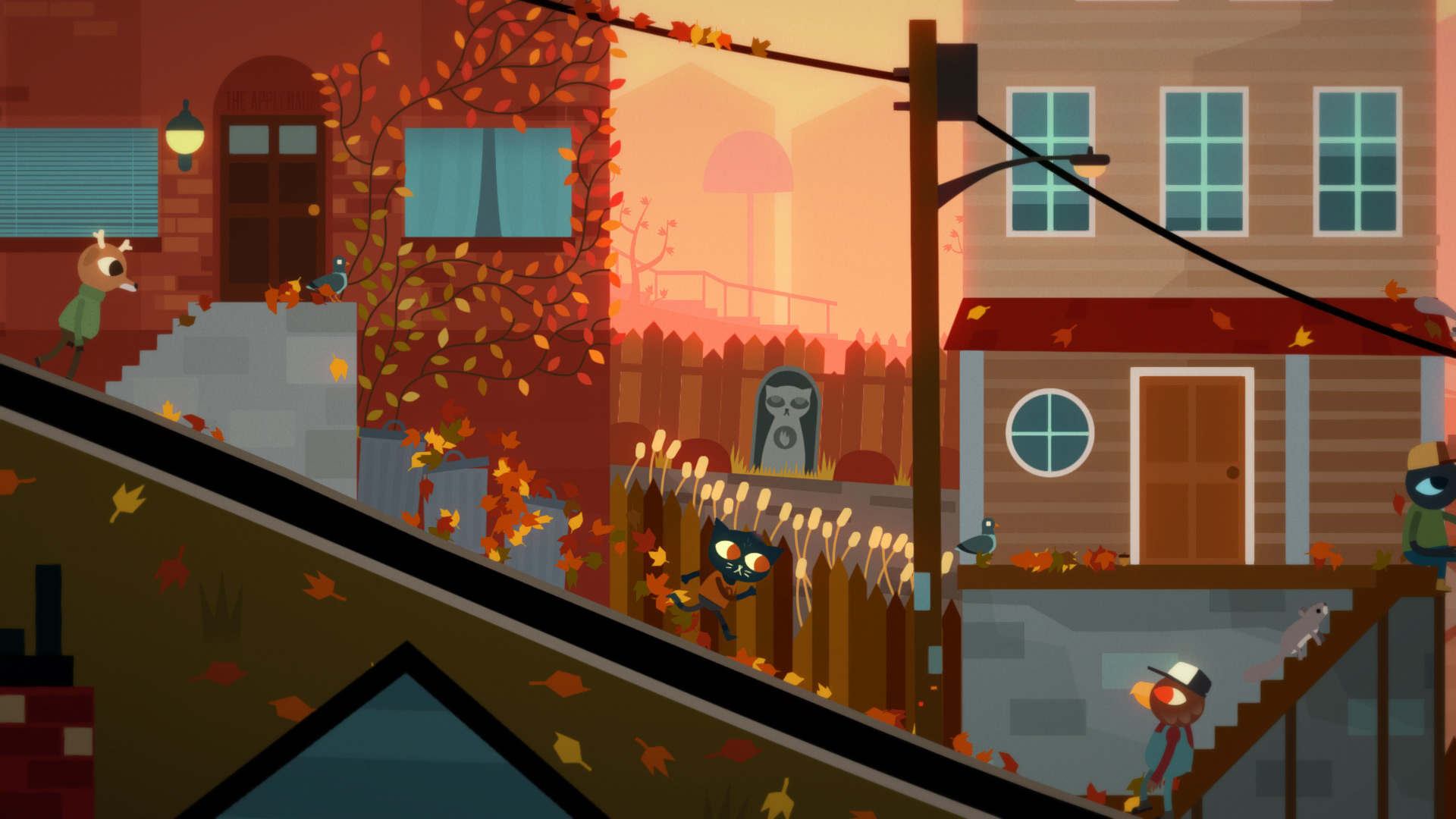
1. Mae’s House and Neighborhood:
– Significance: This is the game’s starting point, where players familiarize themselves with Mae. It serves as a hub for personal reflections and interactions, particularly with Mae’s mother.
– Gameplay Elements: Players can engage in dialogue that reveals Mae’s past and her relationship with her family, providing context for her return.
2. The Town Centre:
– Description: A vibrant area filled with essential retail and service establishments, including:
– Fat Pocket Pawn: A pawn shop where Mae can learn about the town’s economic struggles.
– Miller’s: A local bar offering a space for social interaction and nightlife.
– Ol’ Pickaxe: A hardware store that symbolizes the town’s blue-collar roots.
– Snack Falcon: A convenience store that is a favorite hangout spot for Mae and friends.
– Clik Clak Diner, Pastabilities, and Taco Buck: Restaurants that highlight the town’s local cuisine and culture, serving as social hubs.
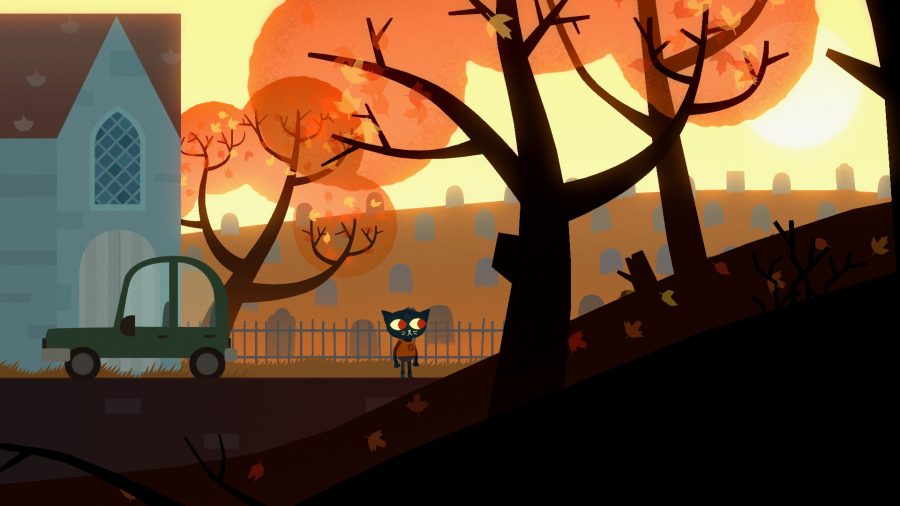
3. Church and Churchyard:
– Significance: The Church of the First Coalescence is pivotal for social interactions, particularly for Mae and her mother. The churchyard acts as a reflective space that deepens character relationships.
– Gameplay Elements: Important dialogues and thematic content related to faith and community are found here.
4. Jenny’s Field:
– Description: An open area located near the church, ideal for spending quality time with Mae’s mother.
– Gameplay Significance: This space is integral for achieving certain milestones and moments that pertain to family dynamics.
5. Gregg and Angus’ Apartment:
– Importance: A central social hub for Mae’s friends, where much of the game’s character development and narrative progression occurs.
– Gameplay Features: Players engage in conversations, play mini-games, and participate in storylines centered around friendship dynamics.
6. The Mines:
– Description: A critical area linked to the town’s mining history that reveals deeper mysteries as the game progresses.
– Narrative Importance: The mines serve as a backdrop for late-game events that explore themes of industrial decline and personal discovery.
7. Sewer and Subway:
– Description: The underground networks of Possum Springs, which offer a more eerie and mysterious exploration experience.
– Gameplay Elements: Mae can discover hidden elements like rat nests and encounter unique challenges, contributing to ambiance and world-building.
8. Outskirts and Fields:
– Description: Various natural spaces located beyond the town, allowing players to wander, reflect, and engage in side activities.
– Gameplay Features: These areas provide a break from the town’s hustle, offering tranquility and opportunities for introspection.
9. Abandoned Buildings and Old Enterprises:
– Description: Includes notable sites like the Food Donkey grocery, Husker Bee Ballroom, and Party Barn.
– Significance: These locations enhance the game’s atmosphere, illustrating the town’s economic decline and its implications for community life.
Gameplay Mechanics and Exploration
While Night in the Woods does not follow a traditional level-based structure typical of platformers, the interconnected areas of Possum Springs are designed to encourage exploration and discovery. Players can freely navigate these zones, uncovering narratives that unfold with character interactions and environmental storytelling. Each area not only serves gameplay purposes but enriches the overall atmosphere of the town, making Possum Springs a fully realized world where themes of nostalgia, loss, and community resonate deeply. Through her journey, Mae’s exploration becomes a poignant reflection on the complexities of returning home and the struggles of her community.
Leave a Reply