
In Night in the Woods, your interactions with characters and participation in events play a crucial role in shaping your experience and understanding of the story. The game’s design allows for a rich narrative, although it also introduces a sense of urgency regarding social engagements that can influence character arcs and outcomes.
Key Points on Character Interactions and Missed Opportunities
1. Time-Sensitive Hangouts:
– Hangouts are intricately tied to specific days, which means if you choose to skip an interaction, you may miss vital backstory and dialogue that enriches your understanding of the characters.
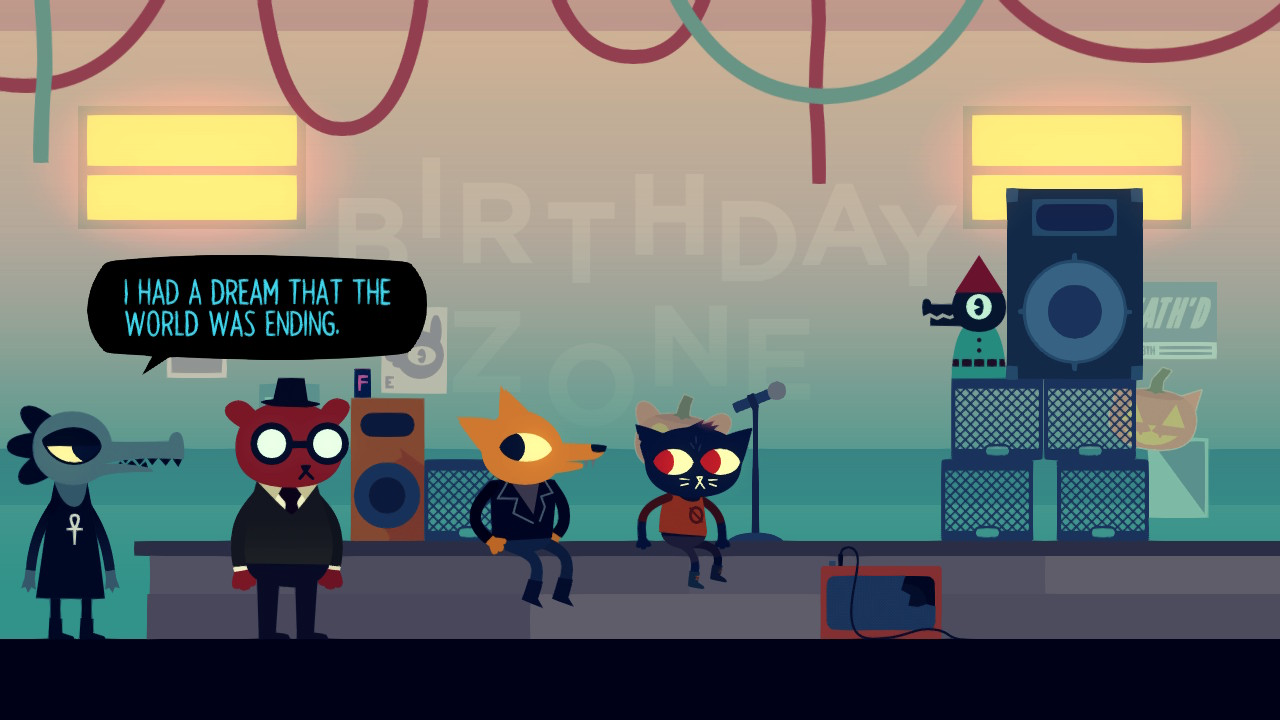
– For instance, bypassing hangouts with Bea at pivotal moments can prevent her from attending certain events, such as parties. This, in turn, influences the availability of other characters like Gregg, potentially altering group dynamics.
2. Impact on Character Development:
– Each choice about who to spend time with can lead to different narrative developments and endings. The game acknowledges that every interaction shapes your relationship with the characters and the overall progression of the story.
– Engaging consistently with a character can uncover additional layers to their story. For example, repeatedly lending Bea’s car results in additional dialogue that adds depth to her character.
3. Consequences of Missed Interactions:
– Missing a hangout can affect not just the immediate interaction but also alter future events and possible endings. Certain characters may become less accessible if you opt not to engage at critical times.
– The consequences manifest in various ways, impacting not only the individual character arcs but also your overall experience and emotional investment in the game.
4. Narrative Continuation:
– Despite these missed opportunities, Night in the Woods acknowledges the passage of time, continuing its narrative regardless of player choices. This reflects the game’s underlying theme of inevitability and the challenges faced in an economically struggling small town.
– While some choices may seem to have limited direct impact, they contribute to the game’s mood and the thematic exploration of personal and communal struggles.
5. Variability in Activities:
– Not all activities influence final hangouts or endings; for example, ghost hunting sessions may not directly correlate with significant character development or impact the conclusion, thus allowing some leeway in how the player chooses to engage with the game world.
Conclusion
In summary, Night in the Woods offers a nuanced exploration of character relationships through its design, allowing for varied player experiences shaped by engagement with its diverse cast. Missing conversations or events results in a loss of character depth and potentially alters social interactions, influencing the game’s narrative trajectory. However, the story’s progression remains constant, emphasizing themes of missed chances and the relentless passage of time in a small community. This blend of choice and consequence creates a rich tapestry that reflects the complexities of life in a town marked by both personal and socio-economic challenges.

Leave a Reply