
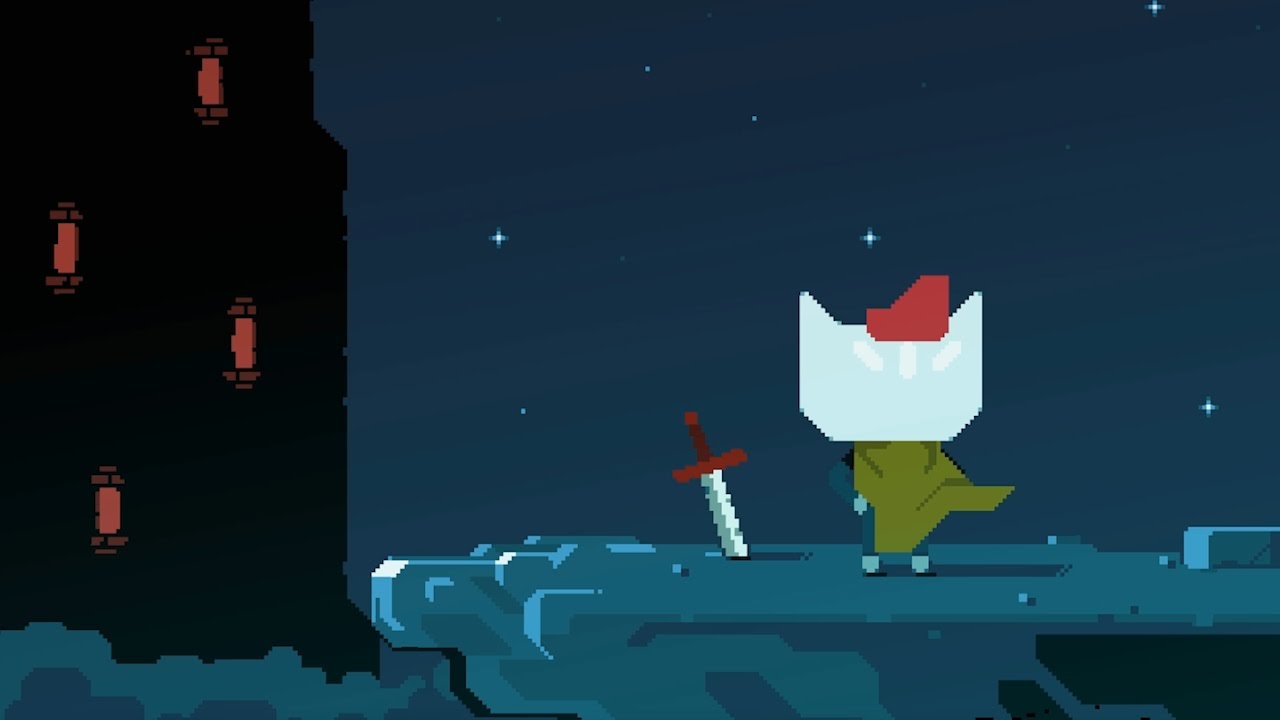
The “Demon Tower” minigame in Night in the Woods serves not only as a source of entertainment but also as a vital extension of the main narrative and thematic elements present in the game. Its design and mechanics are intricately tied to the deeper issues explored through the protagonist, Mae Borowski, and her journey.
Thematic Resonance
“Demon Tower” expertly echoes the darker tones present throughout Night in the Woods. The arcade-style hack’n’slash mechanics encapsulate a sense of struggle that parallels Mae’s own challenges as she navigates her relationships and her sense of self within the backdrop of the eerie town of Possum Springs. Each randomly generated floor represents the unpredictability of Mae’s own life, filled with challenges and the pressing weight of unresolved issues from her past. Just as players must confront formidable enemies and hazards in the game, Mae confronts her own inner demons and the existential dilemmas that haunt her.
Narrative and Character Connection
Mae’s engagement with “Demon Tower” is a significant moment that highlights her internal conflicts. By immersing herself in this challenging world, she seeks a distraction from her own feelings of inadequacy and anxiety surrounding her friends and family. The very act of playing the game signifies her desire to confront adversity, albeit through a virtual lens. The game resonates with Mae’s character arc, mirroring her emotional state and amplifying her journey of self-discovery. Through gameplay, players gain insight into Mae’s coping mechanisms and her approach to confronting the chaotic elements of her life.
Alternate Ending and Secrets
One of the most compelling aspects of “Demon Tower” is its hidden narrative depth, especially regarding the green duck character encountered throughout the game. By providing fragments of a cipher, this character introduces an element of mystery and encourages players to delve deeper into the minigame. Unlocking the alternative ending adds replayability and further intrigues players about the larger context of Night in the Woods. This cipher mechanism not only enhances the gameplay experience, but also reinforces the theme of discovery—both in the minigame and in Mae’s journey. It creates a rewarding sense of accomplishment for players who seek to uncover all the layers of storytelling embedded in the game.
Conclusion
In conclusion, the “Demon Tower” minigame serves as a rich and multi-faceted component of Night in the Woods. It is more than a simple diversion; it intricately weaves into the overarching narrative, offering commentary on themes of struggle, personal growth, and the confrontation of one’s fears. As players traverse the tower’s hazardous floors and engage with its secrets, they participate not only in a challenging adventure but also in a deeper exploration of Mae’s character and the rich, haunting world of Possum Springs.



Leave a Reply