
Death Mechanics in Hellblade: Senua’s Sacrifice: An Overview
In Hellblade: Senua’s Sacrifice, the developers introduce a compelling narrative element through the death mechanics centered around a concept called “Dark Rot.” This mechanic is designed to immerse players in Senua’s psychological struggles, presenting the idea that dying could ultimately lead to significant consequences. Below is a detailed examination of how these mechanics function within the game:
Key Features of the Death Mechanics
1. Dark Rot Representation:
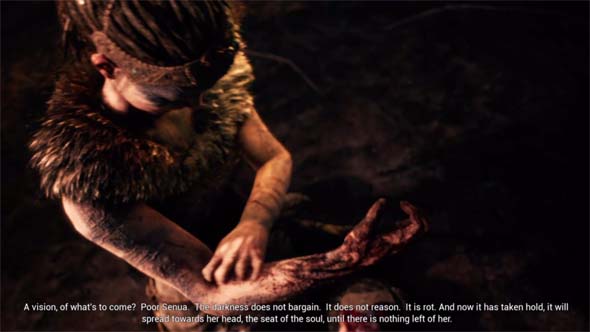
– Dark Rot serves as a visual metaphor for Senua’s mental and emotional deterioration resulting from her encounters and the haunting voices in her mind. With each death, players see the rot creeping up Senua’s arm towards her head, symbolizing the pressure of her struggles and the potential for defeat.
2. Initial Player Warnings:
– The game provides warnings suggesting that if Senua dies too many times, the rot may reach her head, resulting in the deletion of the save file and forcing a reset to the beginning of the game. This creates a sense of tension and stakes while navigating the game’s challenges.
3. Reality of Save File Management:
– After extensive testing by players and media, it has been confirmed that, contrary to initial warnings, the game does not implement a true permadeath system. Regardless of how often a player dies throughout the game, their save file will not be deleted, and no overall progress will be lost. Players can respawn and continue their journey without the fear of restarting entirely.
4. Visual Progression vs. Gameplay Consequences:
– While the rot does visually progress along Senua’s arm with each death, it typically halts around her shoulder level. This progression is primarily a narrative device used to enhance the storytelling aspect rather than a gameplay mechanism that enforces penalties on the player for repeated failures.
5. Narrative Focus:
– The mechanics of death and the appearance of the Dark Rot are instrumental in maintaining the game’s dark and immersive atmosphere. They contribute to character development and the overarching themes of mental illness and resilience, rather than solely serving as punitive gameplay mechanics.
6. Misleading Aspects:
– The game’s warnings can be seen as misleading, as they set player expectations for severe consequences that do not materialize in practice. Players may sense heightened anxiety around their survival, which ultimately leads to an enriching narrative experience rather than frustrating gameplay penalties.
Conclusion
In conclusion, Hellblade: Senua’s Sacrifice utilizes the concept of death and the Dark Rot to enhance its narrative profundity while managing to avoid the implementation of a harsh permadeath system. Players can fully engage with the emotional and psychological depths of Senua’s journey without the dread of losing their hard-earned progress, allowing for a focus on exploration and storytelling rather than the fear of failure. This design choice reflects the developers’ intent to provide a powerful commentary on mental health without imposing undue frustration on the player.




Leave a Reply