
Hellblade: Senua’s Sacrifice: A Masterclass in Audio-Visual Immersion
In “Hellblade: Senua’s Sacrifice,” the meticulous integration of sound design and visuals crafts an immersive experience that intimately explores the protagonist Senua’s mental state. The game’s innovative techniques offer players a profound insight into her psychosis, resulting in a deeply personal and unsettling journey.
Sound Design as a Window into Senua’s Mind
The game leverages binaural audio, a method that simulates three-dimensional soundscapes through headphones, allowing players to experience auditory hallucinations as if they’re originating from within their own heads. This intimate auditory experience draws players into Senua’s psyche, where the voices she hears are made tangible and immediate. These voices serve as more than mere ambient noise; they actively engage with Senua—offering encouragement or unleashing harsh doubts, reflecting her fluctuating mental state and chronic anxiety. The complexity of these interactions adds depth to the soundscape, as players can hear voices arguing amongst themselves, echoing Senua’s internal struggles.
To enhance this immersive sound experience, the audio team employed binaural microphones specifically for recording the internal voices. This technique captures an intimate quality and spatial movement, making the hallucinations feel as if they are physically present. Players hear every nuance and whisper, which heightens the emotional intensity of Senua’s journey.
Visuals Reflecting Mental Distress
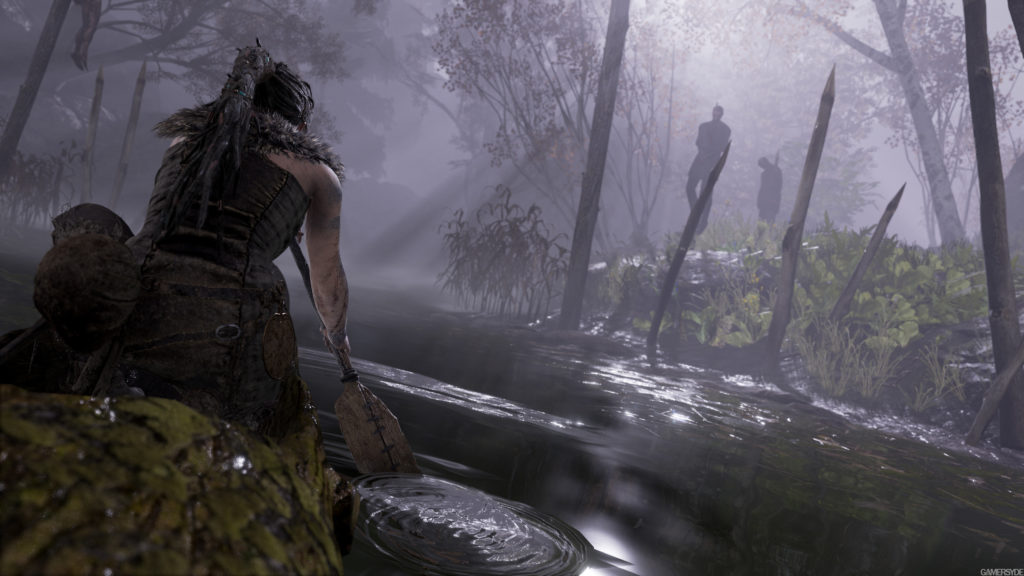
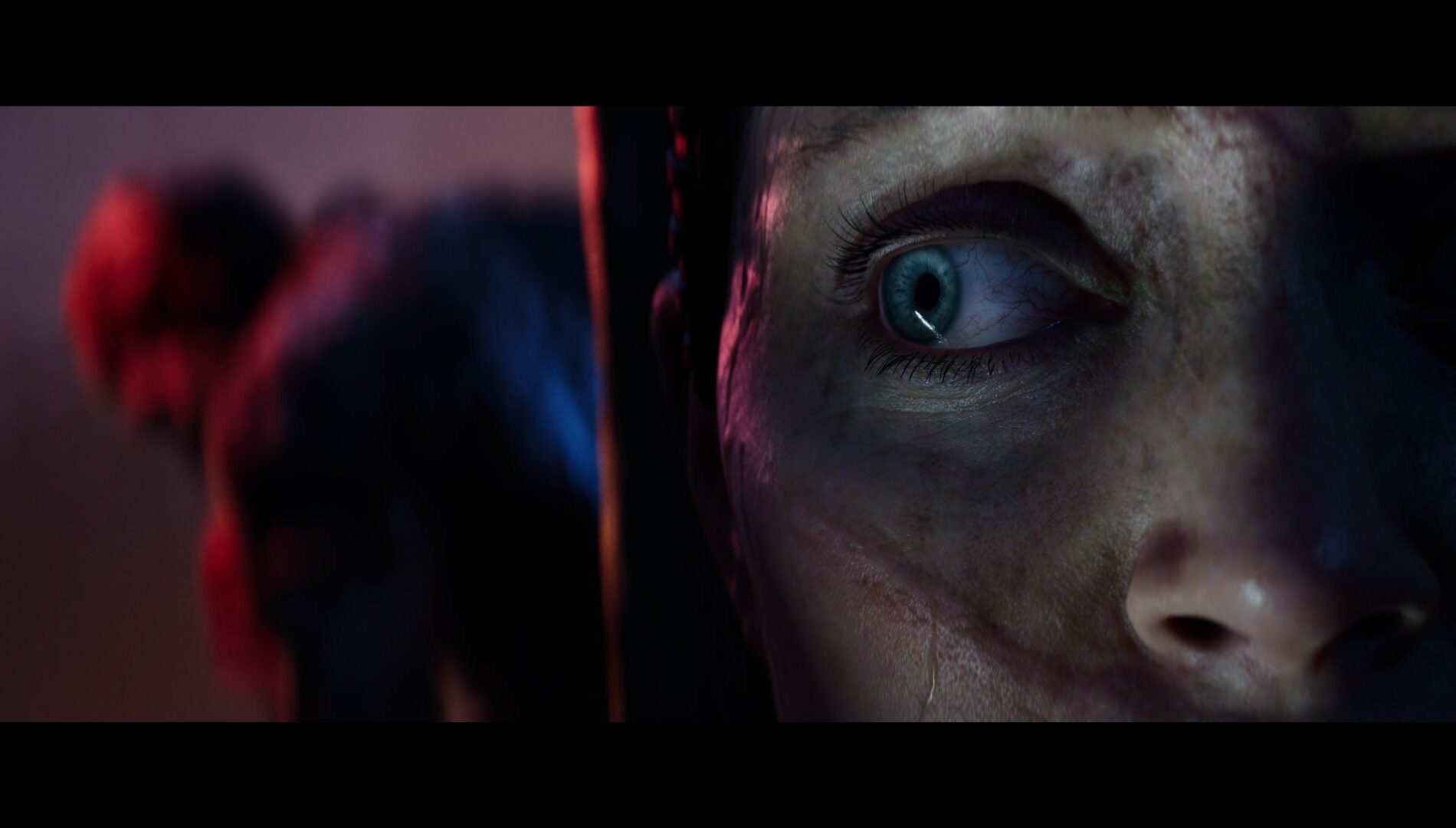
The game’s visual design echoes Senua’s turmoil, blending elements of reality with distorted and surreal imagery. These visuals are characterized by eerie, atmospheric effects that manifest during pivotal moments of her mental distress. When Senua grapples with overwhelming guilt, the player experiences not only shadowed visuals but also auditory cues—broken and distorted voices that gasps and scream around her. This synergy between audio and visuals draws players further into Senua’s complex emotional experiences, allowing them to feel her pain, fear, and despair on multiple sensory levels.
Synergy Between Audio and Visuals to Enhance Immersion
The intricate interplay between sound and visuals establishes a unique narrative space. Players don’t just observe Senua’s psychosis; they live it through their senses. The voices she hears directly influence gameplay, guiding decisions and actions. For example, during combat, cues from the voices may serve as warnings, transforming the audio experience into an integral aspect of gameplay mechanics.
Moreover, the sound design enriches the emotional landscape by infusing natural sounds and background noises with feelings resonating with Senua’s mental state. This connection between what is seen and heard deepens the player’s emotional engagement and personal understanding of her struggles.
Summary
Collectively, the innovative use of binaural audio and distorted visuals creates a layered sensory experience that immerses players within Senua’s world and psyche. The realistic voices, spatial sound, and emotionally charged visuals come together to simulate psychosis powerfully. This holistic approach transforms “Hellblade: Senua’s Sacrifice” into a landmark title that exemplifies how audio-visual synergy can deepen narrative immersion, allowing players to confront and empathize with the disorientation and emotional intensity experienced by the protagonist. By presenting this intricate portrayal of mental illness, the game not only serves as entertainment but also as a poignant exploration of psychological struggle.



Leave a Reply