
In Hellblade: Senua’s Sacrifice, the design of Senua’s movement options for traversal is inherently tied to her psychological journey, providing players with an immersive experience that mirrors her emotional states rather than relying on traditional gameplay mechanics. Here’s a detailed breakdown of her primary movement capabilities:
1. Running
Senua possesses the ability to run without any stamina restrictions, encouraging fluid and continuous movement throughout the game world. This unrestricted running allows players to explore and traverse the environment without penalties, only halting progress during cutscenes or specific narrative events. This design choice not only emphasizes Senua’s relentless pursuit within the game’s story but also allows players to maintain immersion without the frustration of stamina management.
2. Evading
Evasion plays a critical role in both combat and traversal. Senua’s basic dodge is executed by moving backward, offering a simple yet effective way to avoid attacks. Additionally, players can engage in directional evading, which allows for lateral movement in response to incoming threats based on the player’s orientation. For those moments requiring more distance, double-tapping the evade button further increases the dodging distance, making it an invaluable tool both for escaping dangers and repositioning strategically during combat scenarios.
3. Environmental Interaction
Traversal often intertwines with puzzle-solving elements, where Senua utilizes her Focus ability. This mechanic enables her to perceive hidden runes or interact with the environment to advance in the game. For example, players may need to stand in specific positions to reveal concealed paths, unlock gates, or solve intricate runic puzzles that are critical for progression. This blend of movement with cognitive challenges enhances the gameplay experience, reinforcing the theme of navigating through both physical and mental obstacles.
4. Varied Movement Animations
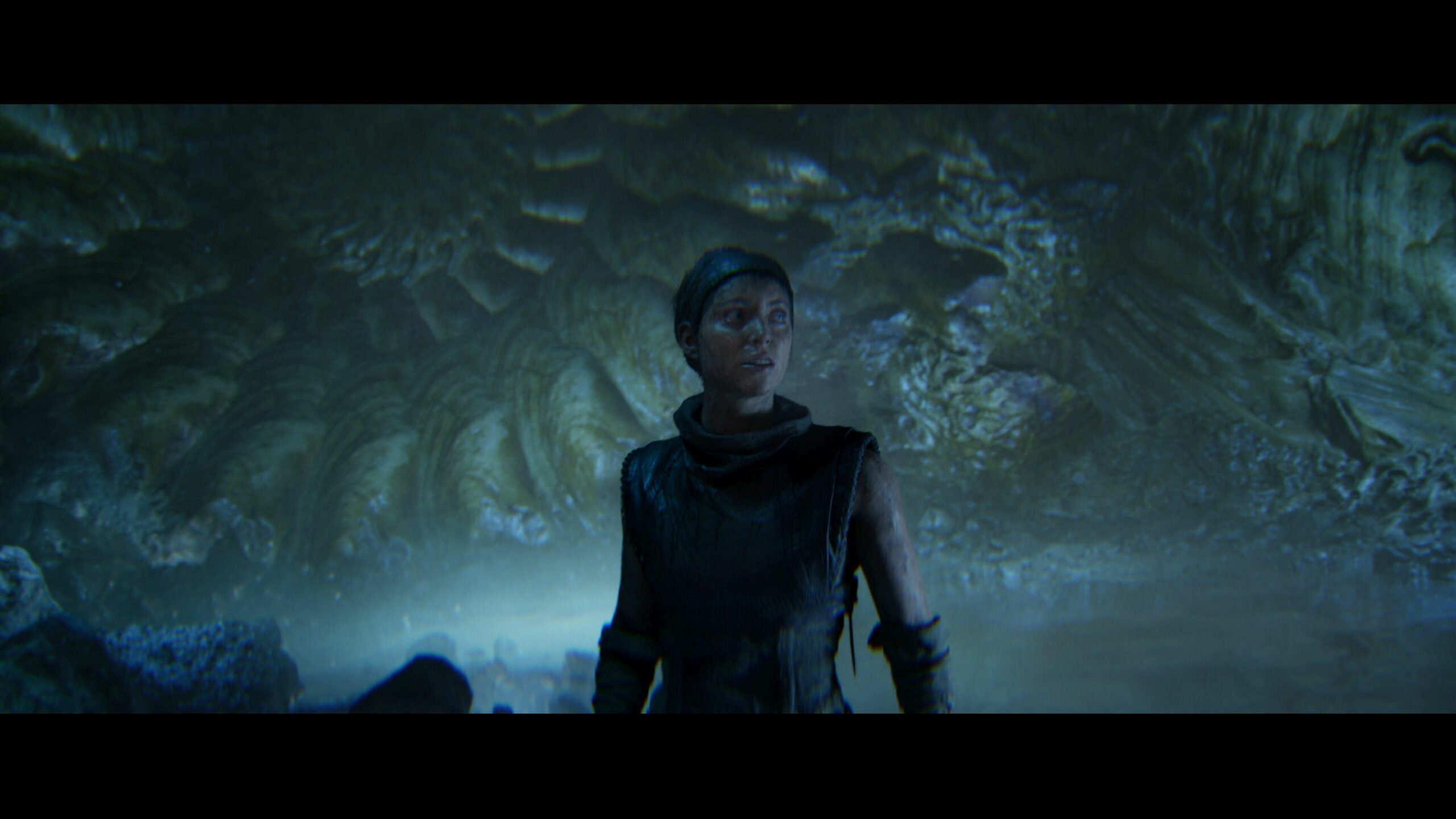
The game significantly enhances the emotional weight of traversal through varied movement animations that correspond to Senua’s current psychological state. As she moves through different environments—be it smoke, water, or moments of injury—the animations shift accordingly. For instance, a movement through panic might look hesitant and shaky, while traversing calm waters might appear more fluid. Such changes not only enrich the visual storytelling but also allow players to feel Senua’s struggle and emotional turmoil, deepening their connection to her character.
5. Camera Movement in VR
For players engaging with the game in VR mode, movement is streamlined with simplified horizontal camera controls via the thumbstick, while vertical movement is notably limited. This design choice caters to the unique challenges and experiences of VR, ensuring that players maintain a comfortable gameplay experience while still being fully immersed in Senua’s journey.
Conclusion
In summary, traversal in Hellblade: Senua’s Sacrifice incorporates a blend of straightforward mechanics like running and evading with intricate environmental puzzles and emotionally resonant animations. This approach prioritizes narrative and emotional immersion over complex mechanical options, making Senua’s movement a reflection of her struggle against both external challenges and her inner demons. By intertwining these elements, the game creates a uniquely engaging experience that resonates deeply with players, drawing them into Senua’s profound and personal quest.

Leave a Reply