
In Destiny 2, the weapon classification system provides players with diverse options for engagement and strategy in combat, enhancing gameplay through a structured approach to weapon types, ammo management, and combat roles. Here’s an in-depth look at how these systems operate and their impact on player tactics.
Weapon Types in Destiny 2
The weapons in Destiny 2 are categorized into three primary groups, which are organized by ammo type and combat efficacy. Each class serves a distinct role in gameplay.
1. Primary Weapons (Kinetic/Energy)
– Overview: Primary weapons are your go-to arsenal for standard engagements, featuring high availability of ammo, typically either found in the environment or regenerating over time.
– Ammo Type: Primary ammo (white).
– Subtypes:
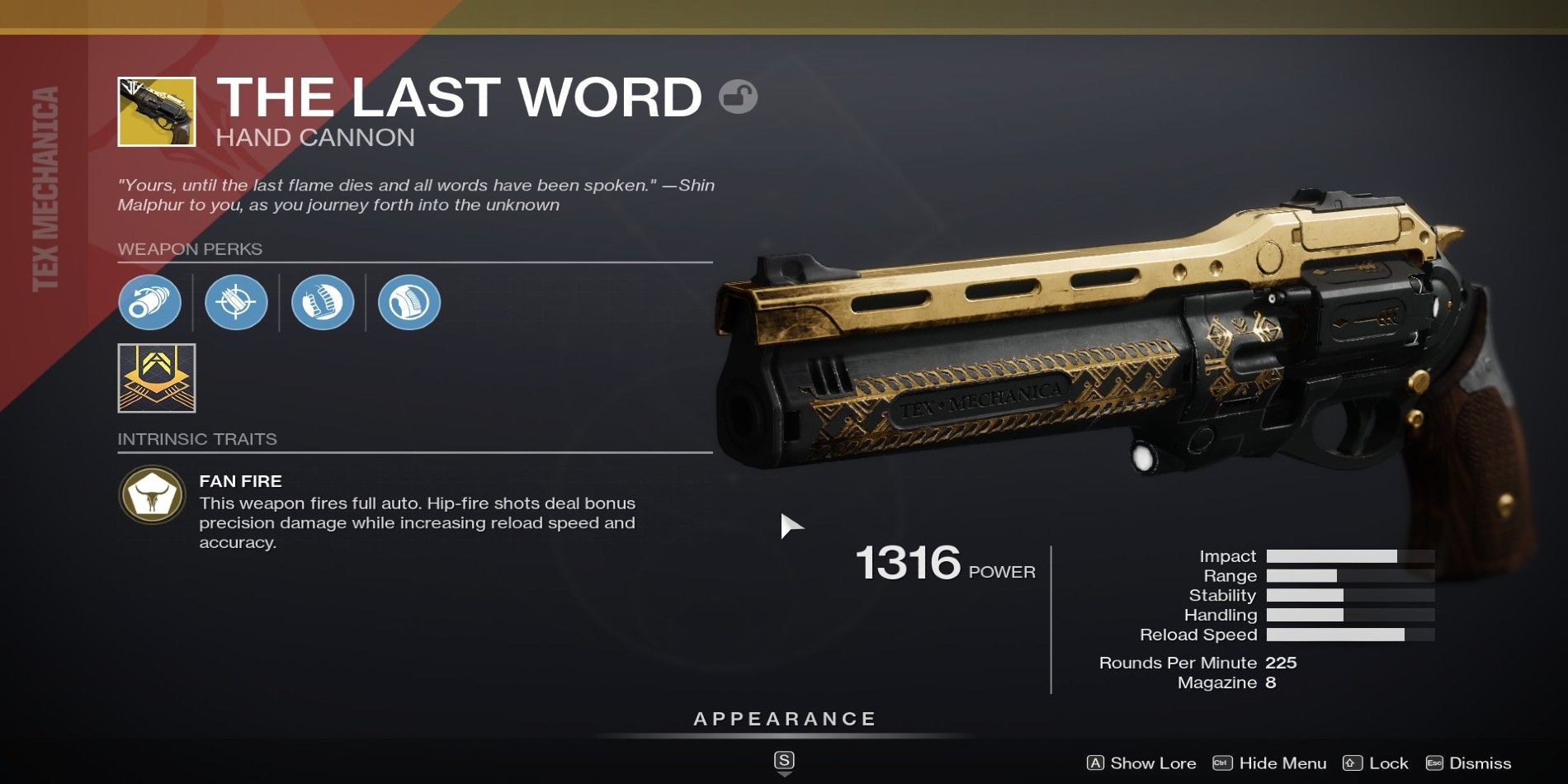
– Hand Cannons: High damage output with moderate range, ideal for precision shots.
– Scout Rifles: Excellent for longer ranges and sustained damage.
– Auto Rifles: Versatile and stable for mid-range engagements.
– Pulse Rifles: Burst fire capability effective for precision and range.
– Sidearms: High damage focused in short-range scenarios.
– Submachine Guns: Great for close-quarters with high fire rates.
– Combat Bows: Rare but can deal significant damage in precise shots.
Primary weapons are best utilized against weaker enemies, allowing players to conserve more specialized ammo types for tougher foes.
2. Special Weapons (Energy Slot)
– Overview: These weapons consume Energy ammo and are designed for situations requiring more elemental firepower, effective against various enemy shields.
– Ammo Type: Energy ammo (green).
– Examples:
– Fusion Rifles: Charge before firing for powerful blasts.
– Shotguns: Dominant in close-range combat, providing significant knockdown punch.
– Sniper Rifles: Long-range precision tools for high-damage outputs.
– Trace Rifles: Constant damage output focusing on targets.
Special weapons are particularly useful in boss battles or when taking down tougher enemies that require strategic elemental choices.
3. Power Weapons (Heavy Ammo Slot)
– Overview: Representing the heaviest hitters in your arsenal, Power weapons are designed for maximum damage, often reserved for critical moments or enemy bosses.
– Ammo Type: Heavy ammo (purple).
– Types:
– Rocket Launchers: Great for area damage and crowd control.
– Grenade Launchers: Effective for burst damage and explosive impacts.
– Swords: Melee-based, but offer powerful strikes when closing the distance.
– Heavy Fusion Rifles / Shotguns / Sniper Rifles: Power variants of special weapons that pack a punch.
Power weapons are invaluable during boss mechanics or critical phases, making them essential for endgame encounters.
Weapon Slots and Combat Dynamics
The three weapon slots correspond directly to the categories discussed and emphasize different combat strategies:
| Slot | Ammo Color | Typical Weapon Types | Combat Role |
|———|————|—————————————————————-|——————————————————————–|
| Kinetic | White | Auto Rifles, Pulse Rifles, Scout Rifles, Hand Cannons, etc. | Reliable damage dealers against regular enemies. |
| Energy | Green | Elemental versions of Kinetic weapons | Break enemy shields and exploit elemental weaknesses. |
| Power | Purple | High-end weapons like Rocket Launchers and Grenade Launchers | Designed for high burst damage and crowd control for tough encounters. |
Strategic Considerations
1. Balanced Loadouts: Combining weapon types ensures versatility and preparedness for any encounter. A typical loadout might include a lightweight Kinetic for constant damage, an Energy weapon to breach elemental shields, and a Power weapon for finishing blows on high-value targets.
2. Ammo Management: Players must manage their ammo efficiently. The interactions between weapon types mean that using one type effectively can replenish ammo for the others. For example, consistent use of Primary weapons can yield more Primary ammo drops while taking down enemies.
3. Elemental Effects: Understanding the elemental nature of Energy weapons allows players to exploit enemy weaknesses effectively. Switching to the correct elemental type can turn the tide of battle during encounters with shielded enemies.
4. Exotic Weapons: These can sometimes alter the traditional rules regarding slots and ammo. They may provide unique advantages that bolster standard tactics but still conform broadly to the categorized framework.
5. Current Meta Considerations: Players might adjust their loadout based on the expected enemies and encounters, focusing on efficiency and maximizing each weapon’s potential.
In conclusion, the nuanced weapon system within Destiny 2 promotes a strategic depth that encourages players to adapt their gameplay and loadouts, emphasizing critical thinking and tactical execution in combat scenarios. Understanding how to leverage the ammo types and weapon roles will significantly enhance the effectiveness of a player’s engagements in the game.
Leave a Reply