
Differences Between “Run ‘n’ Gun” Levels and Boss Battles in Cuphead
Cuphead is renowned for its unique blend of intricate boss battles and “Run ‘n’ Gun” platforming levels. While both present significant challenges, they diverge markedly in terms of objectives, structural design, gameplay feel, and progression roles.
Objectives
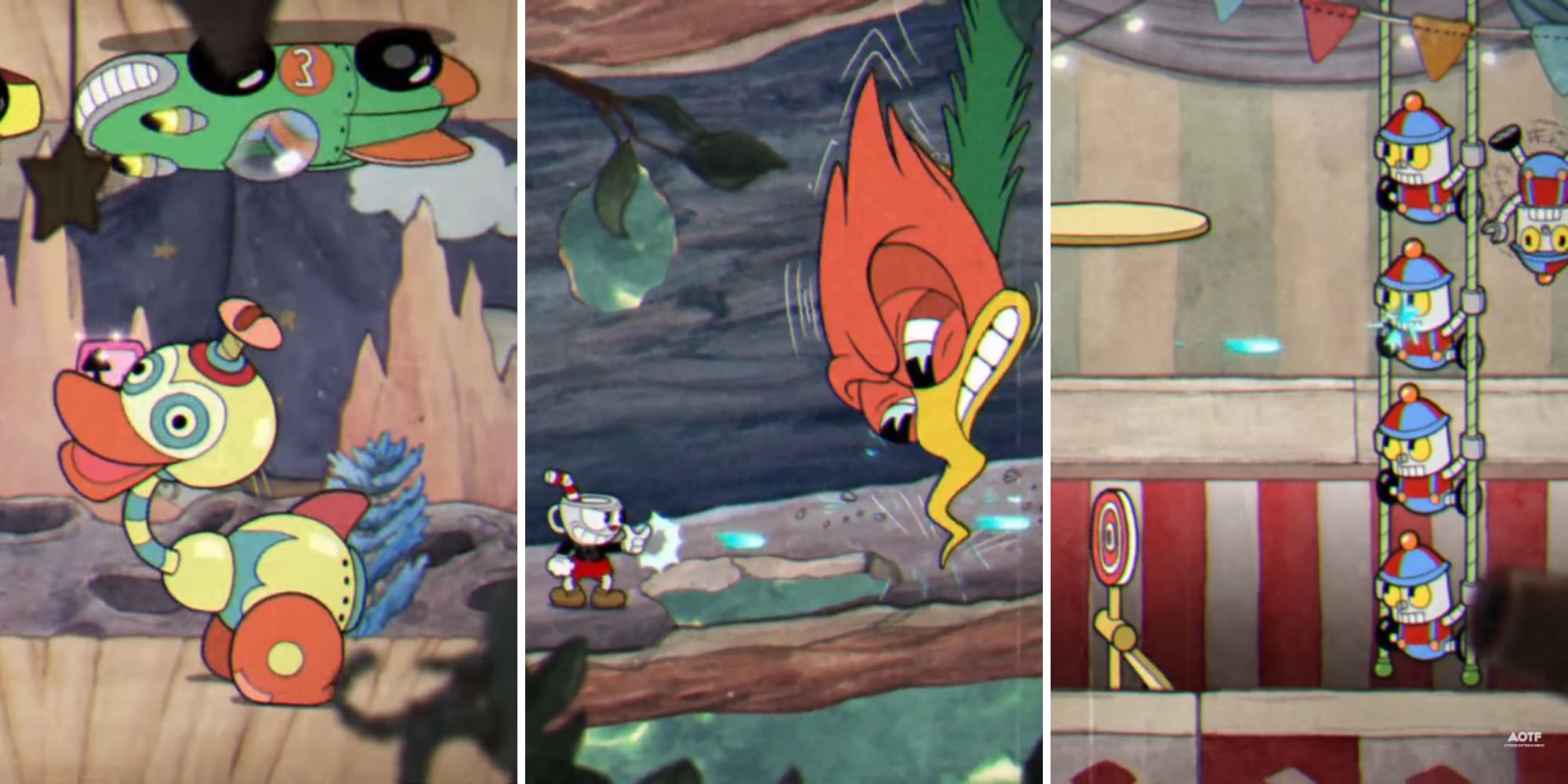
– Boss Battles: The sole aim is to defeat the boss. These encounters are endurance tests where players must survive through multiple phases or forms of the boss, each introducing new attacks and patterns that elevate the difficulty. The focus is entirely on combat within a confined arena, without the need for exploration or traversal.
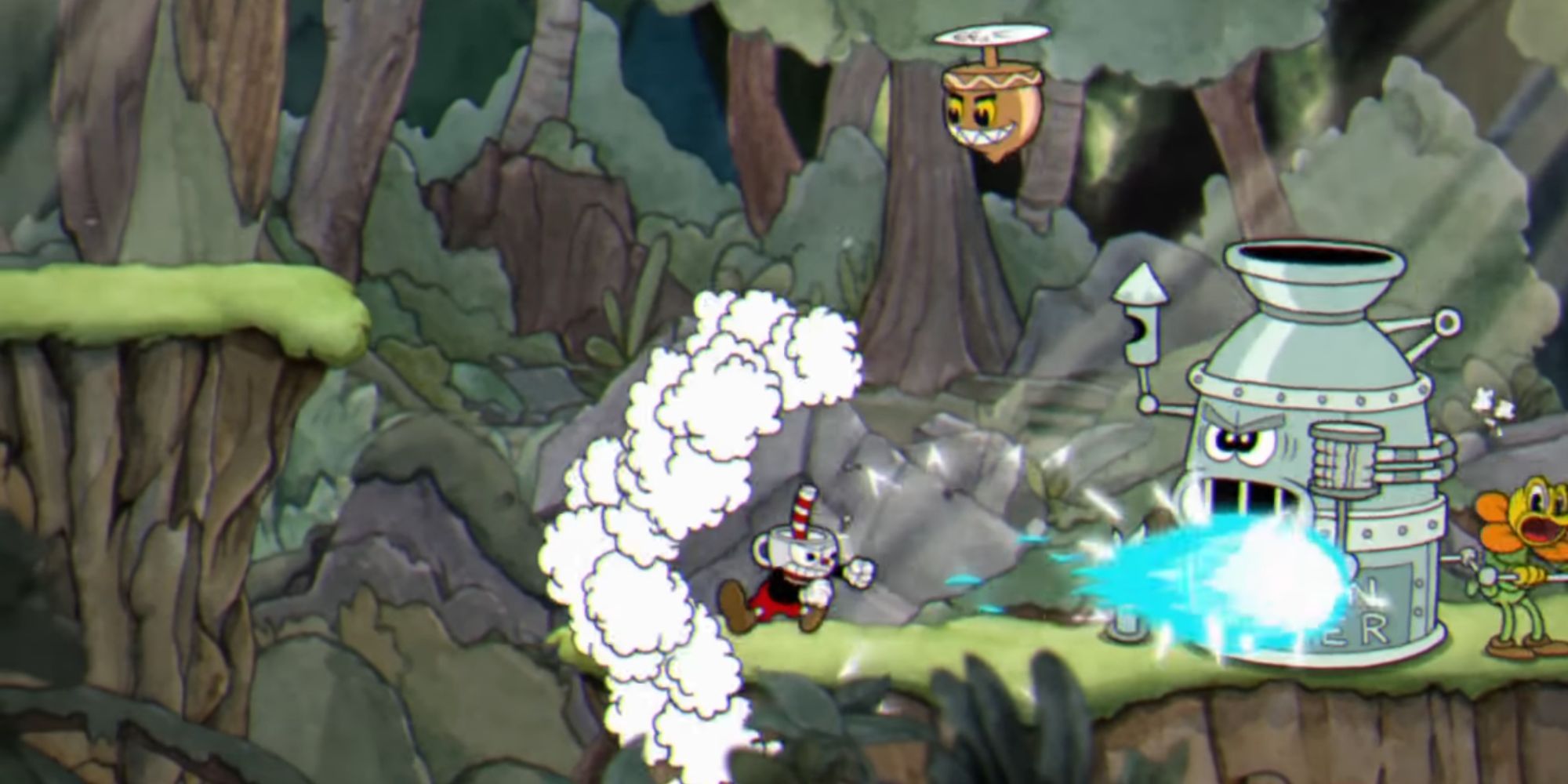
– Run ‘n’ Gun: The main objective here is to navigate to the end of the stage. Players traverse through traditional side-scrolling platforming challenges, akin to classic games like Mega Man or Contra. In addition to reaching the endpoint, players can collect coins scattered throughout the level, which are important for acquiring upgrades in the shop.
Structuring and Progression
– Boss Stages: These encounters take place in a self-contained arena, with progress visualized through a clearly marked phase indicator. Players can see which phases of the boss they have completed and how many remain. Boss encounters may vary between ground-based and airborne forms, the latter limiting movement and requiring different mechanics.
– Run ‘n’ Gun Stages: These levels are longer and sorted into multiple sections where players move from left to right while overcoming environmental hurdles and enemy attacks. Success is determined not just by completion but also by the potential collection of all coins. Additionally, players can undertake “Pacifist” runs, which challenge them to finish the level without defeating any enemies.
Gameplay Feel
– Boss Battles: Emphasis is placed on recognizing patterns, honing reflexes, and memorizing attack sequences. Players must quickly adapt to the boss’s changing tactics while enduring an escalating series of assaults that require both survival strategies and offensive maneuvers.
– Run ‘n’ Gun: The focus here shifts towards traversal and platforming skills. Players experience a constant sense of urgency, necessitating precise jumps, dashes, and evasive actions to navigate through hazards and dodge enemy fire. While there are periodic mini-boss encounters, the overall flow prioritizes continuous forward motion rather than singular combat.
Role in Progression
– Boss Battles: Defeating bosses is essential for advancing the game’s storyline and unlocking new areas or items. Each boss serves as a gatekeeper, with their defeat opening pathways to further adventures.
– Run ‘n’ Gun: While completion of these levels is not always mandatory for game progression, they are crucial for earning coins required for upgrades, greatly facilitating subsequent boss encounters. Certain paths on the game map may necessitate the completion of specific Run ‘n’ Gun levels.
Summary Table
| Feature | Run ‘n’ Gun Levels | Boss Battles |
|————————|—————————————-|—————————————-|
| Primary Objective | Reach the end of the stage | Defeat the boss |
| Structure | Multi-section platforming level | Single-screen, multi-phase duel |
| Optional Challenges| Collect all coins, Pacifist run | None (survive all phases) |
| Currency | Main source of coins | No direct coin rewards |
| Progression | Optional, but key for upgrades | Mandatory for story advancement |
| Gameplay Focus | Platforming, traversal, timing | Pattern recognition, dodging, offense |
Conclusion
In Cuphead, the “Run ‘n’ Gun” levels capture the essence of classic 2D platformers, emphasizing coin collection and skillful navigation through diverse hazards. Conversely, boss battles serve as intense, pattern-based encounters where survival skills and offensive strategies are at the forefront. Both elements are challenging in their own right, yet they offer distinctly different gameplay dynamics—contributing to a varied and memorable experience in the game.



Leave a Reply