
In Hollow Knight, the movement and combat systems showcase an intricate blend of precision, responsiveness, and strategic depth that contribute to the game’s overall challenging and rewarding experience. The foundation of the Knight’s movement is based on simple controls that allow for running left and right, jumping, and executing the signature pogo attack. This pogo mechanic, performed during a jump, enables the Knight to bounce off specific enemies and environmental hazards like spikes, providing not only mobility but also a unique combat tool.
The Knight’s jumps are characterized by a floaty feel, and upon striking enemies, the recoil mechanics—where the Knight is pushed backward or upward—require players to master timing and positioning. This feature enhances the gravity of each encounter and encourages players to think proactively about their spacing and movement during combat. The initial controls, while straightforward, lay the groundwork for a more complex set of abilities that players can unlock. As players progress, they can access enhancements such as the dash, wall jump, and double jump, each adding layers of versatility to the Knight’s exploration and combat capabilities.
Combat in Hollow Knight is notable for its minimalistic design, which emphasizes timing and positioning over a complex array of moves. Players wield a nail for melee attacks, and the recoil mechanic limits the potential for spam attacks, pushing players to engage in dynamic movement and carefully chosen strikes. This design choice fosters a gameplay environment where each confrontation feels unique and strategically engaging, as players must learn enemy attack patterns and adjust their own movements accordingly.
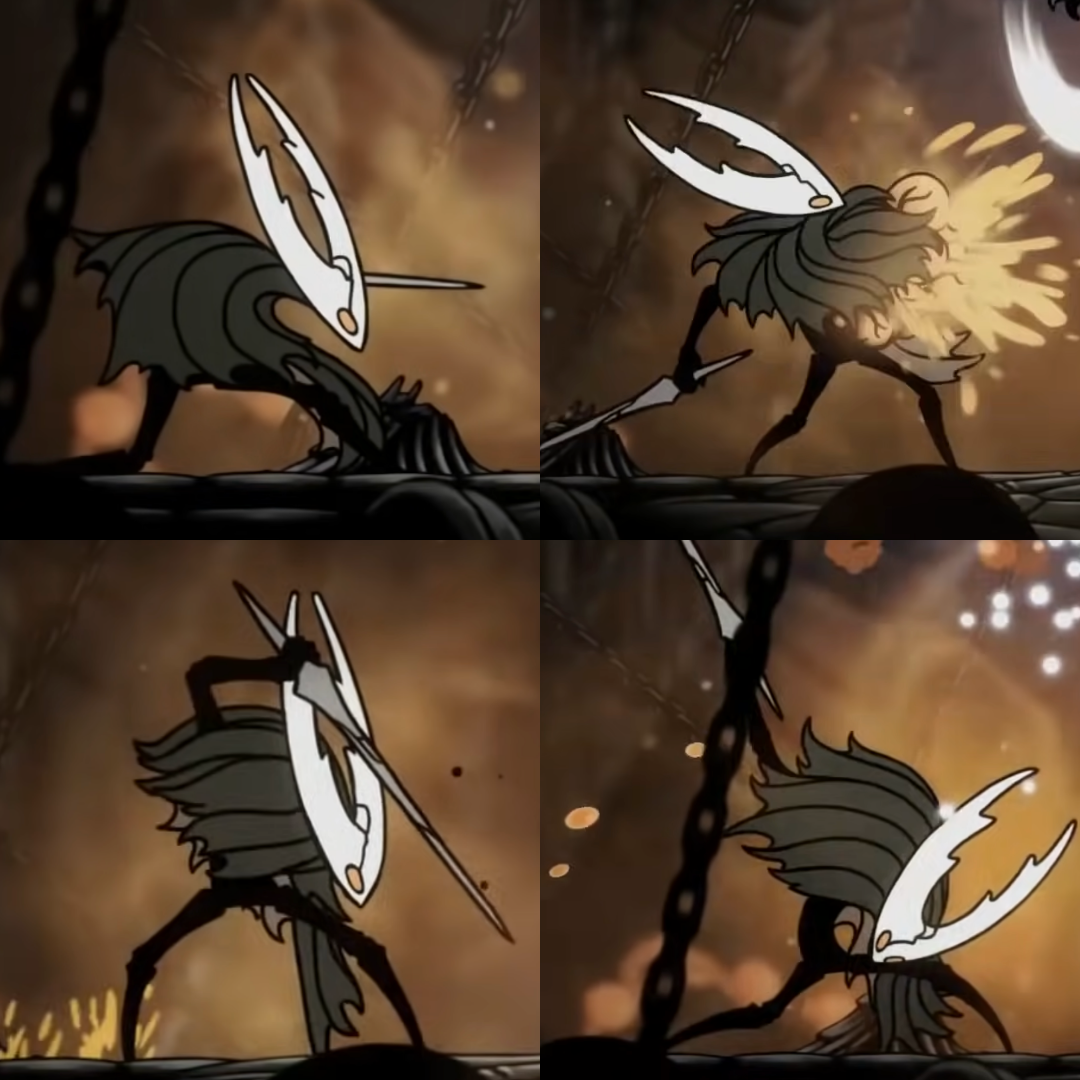
The pogo attack itself serves a dual purpose—offensive and defensive. By allowing the Knight to bounce on enemies, players can maintain aggressive momentum while dodging potential damage; this mitigates reliance on invincibility frames, which are sparse in the early stages of the game. This encourages creative utilization of enemies and environmental hazards, as players can leverage these elements to their advantage, further enhancing the tactical layer of combat.
The overall design philosophy of Hollow Knight values fluidity and response over complexity. Each interaction is governed by the principles of timing, positioning, and skillful execution, making the game not only challenging but also deeply satisfying as players hone their abilities through numerous platforming sequences and intense boss battles. This focus on precision elevates the gameplay experience, ensuring that each success is a testament to the player’s growing mastery of the game’s mechanics.


Leave a Reply