
In Divinity: Original Sin II, the crafting system is a comprehensive and integral aspect of gameplay that allows players to create a wide range of items. This includes not only consumables like potions and scrolls but also enhancements for weapons and armor through runes. Here’s a detailed breakdown of how the crafting system works, highlighting its various facets and offering some helpful tips for players.
How Crafting Works
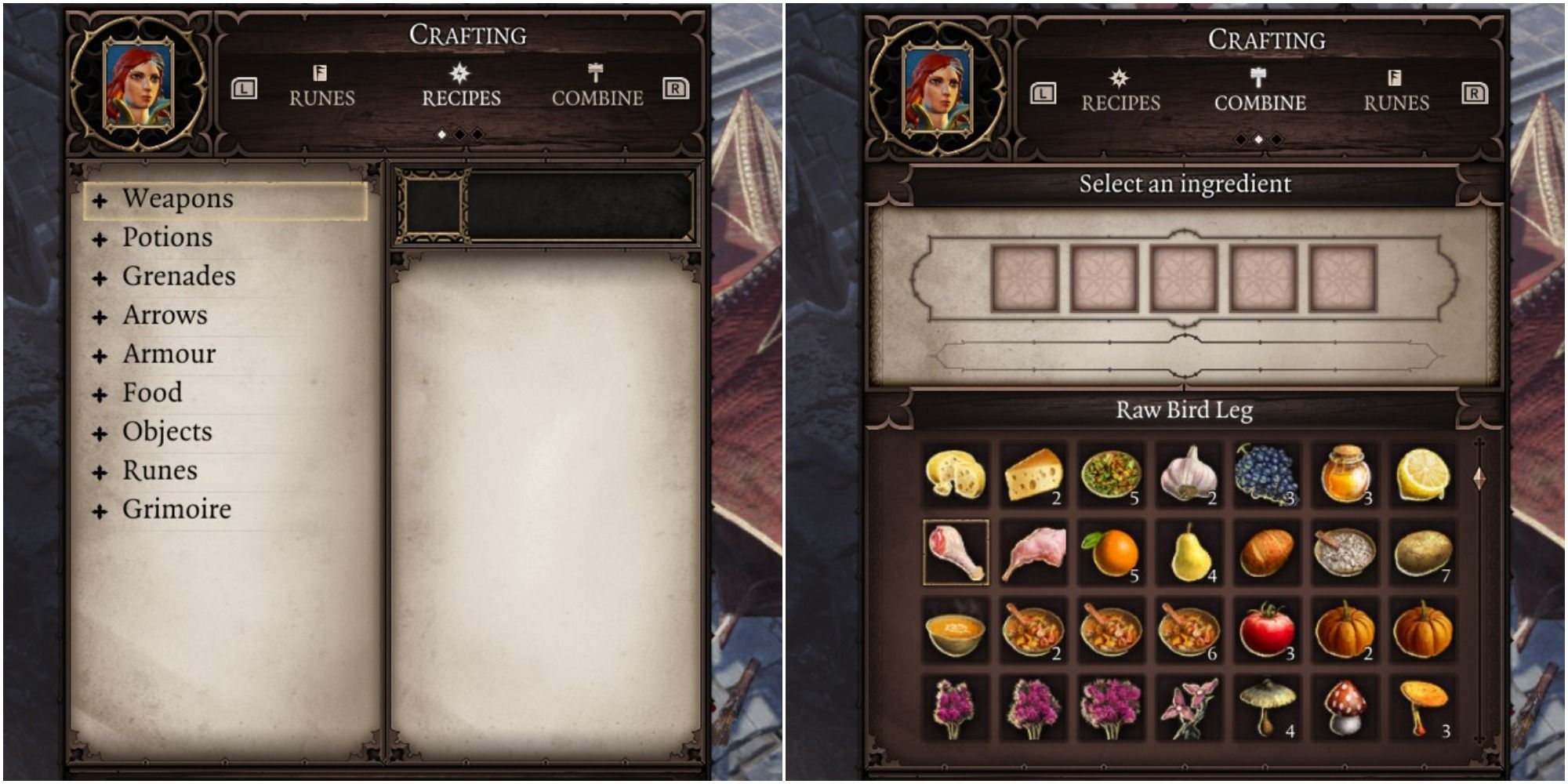
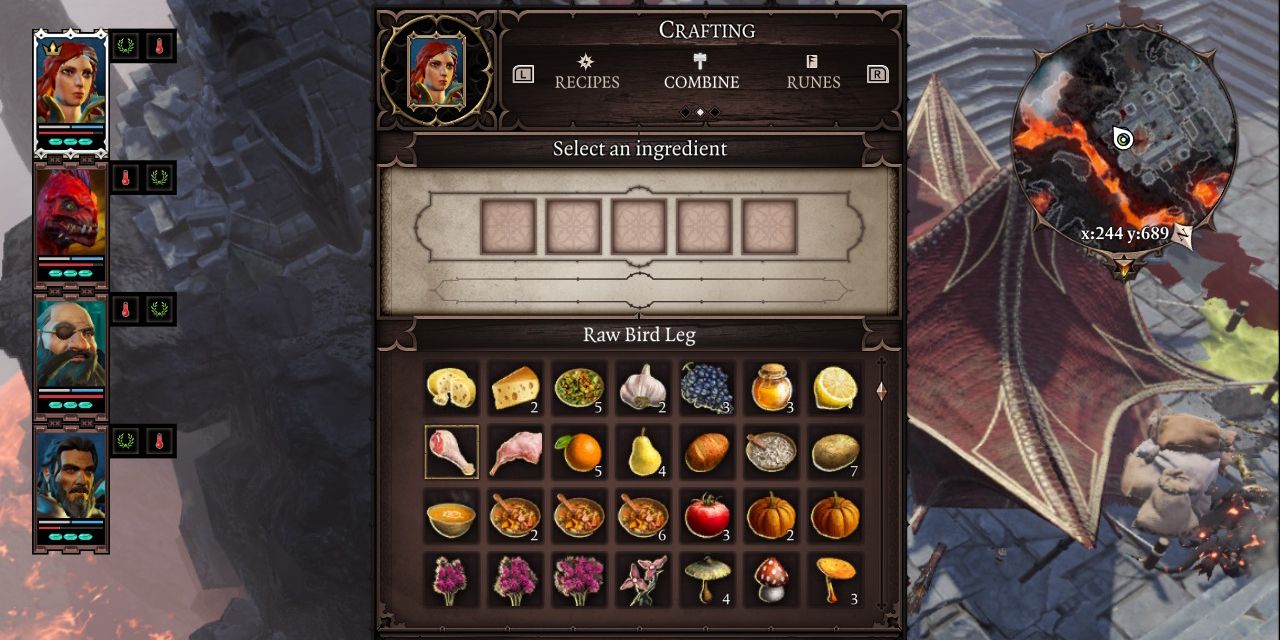
To engage in crafting, players need to access the Crafting Menu by pressing the default key G. From there, they can drag items into designated crafting slots. The system requires players to have the correct combination of items, and they must possess a requisite level in either crafting or blacksmithing skills for the crafting option to become available. Once the necessary conditions are met, players can click the combine button to create the new item.
Crafting Potions
Potions are a prominent aspect of crafting. Players can mix various ingredients to craft potions that confer beneficial effects, such as healing or various resistances. For example, a basic Fire Resistance Potion can be enhanced in potency and size by applying augmenters, transitioning from small to medium and then to large versions. Key ingredients such as barrels of oil, ooze, and water can be reused endlessly across many different potion and grenade recipes, offering players ample opportunities to experiment with different concoctions.
Crafting Scrolls and Skill Books
Scrolls serve as consumable spell items that can be crafted and later used in battle. A unique feature allows players to combine a skill book from the same school as the spell scroll to produce a new skill book, enabling a character to permanently learn that spell. Additionally, players can create hybrid skill books by blending skill books from varying schools (such as Necromancer and Hydrokinetic), paving the way for powerful, new abilities. Crafting elemental scrolls and various magic spells also requires combining blank scrolls with elemental runes along with an ink pot and quill, adding yet another layer of depth to the crafting system.
Runes and Equipment Crafting
Equipment in Divinity: Original Sin II can be enhanced through the use of runes. Many weapons and armor pieces come with rune slots, allowing for further customization and stat bonuses. Crafting runes involves a process of creating intermediary materials, such as Bonedust (produced from combining skulls with a mortar and pestle), Stardust, and ultimately Pixie Dust, which can enhance the effects of runes placed in equipment.
Other Useful Crafting Tips
– Essential Tools: Tools such as the Repair Hammer, Shiv (knife), and Mortar and Pestle are reusable and crucial for a variety of crafting tasks.
– Ingredient Management: It’s advisable to keep ingredients like skulls, as they are essential for crafting important components for runes and other recipes, rather than selling them for quick gold.
– Eternal Artifacts: Items like Eternal artifacts discovered in places like the Blackpit Mine can also be the basis for crafting enhancements to armor, adding further strategic value to exploration.
Conclusion
Crafting in Divinity: Original Sin II is a multifaceted system that significantly enriches gameplay by allowing players to create vital consumables and enhance their equipment. By mastering the various elements of crafting—be it potions, scrolls, or runes—players can greatly improve their survivability and effectiveness in combat scenarios, adding a rewarding layer of strategy to the game. Embracing this system not only augments the player’s capabilities but also bolsters the overall experience within the rich world of Rivellon.

Leave a Reply