
In Divinity: Original Sin II, the “Sneaking” mechanic is an essential tool for players who prefer a stealth-oriented gameplay style. It allows characters to avoid detection by enemies and facilitates pickpocketing, provided the player invests in the necessary skills. Below is an in-depth analysis of the Sneaking mechanic in the game:
Key Features of Sneaking
1. Stealth and Enemy Detection:
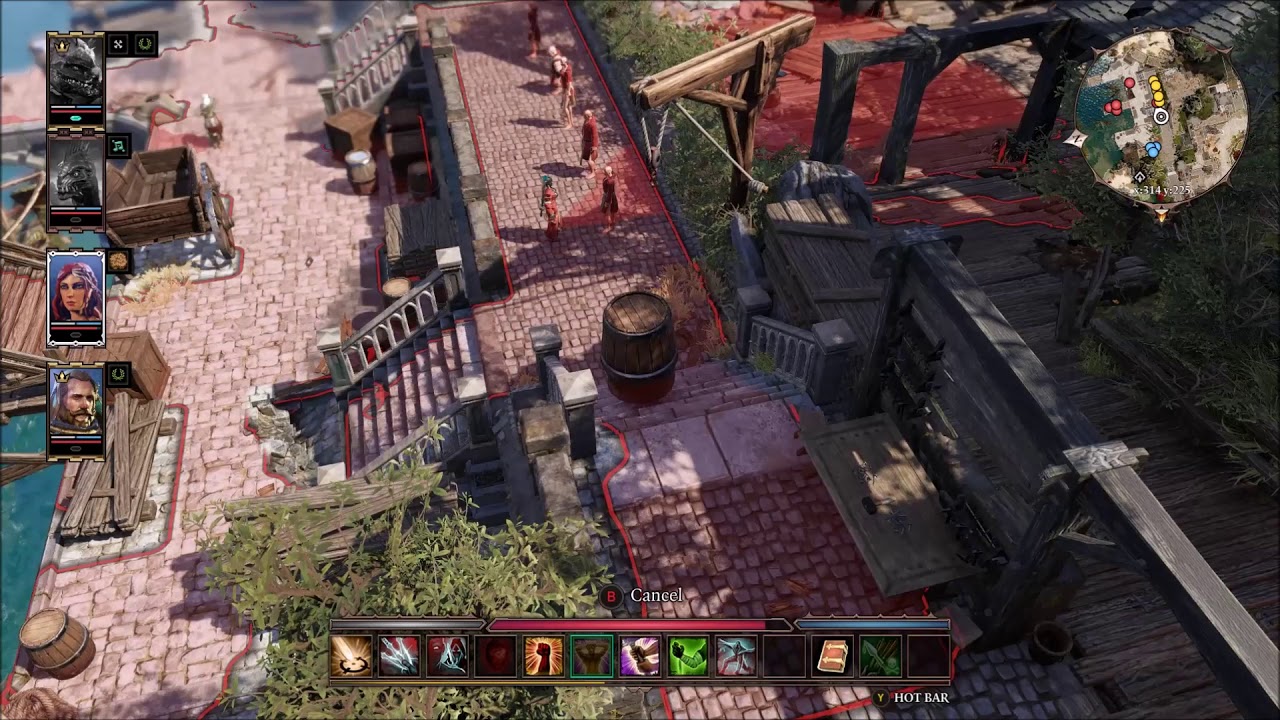
– Sneaking operates by limiting enemy awareness to a specific cone of vision rather than a full 360-degree range. This means that players can effectively avoid detection by maintaining a position outside of an enemy’s direct line of sight, using environmental features like walls and corners to navigate stealthily.
– In contrast, characters not employing the Sneaking mechanic are easily detected by enemies when they approach close, regardless of the enemy’s orientation.
2. Sneaking Ability Level:
– Investing in the Sneaking skill is crucial for enhancing stealth capabilities. As players increase their Sneaking level, enemy vision cones shrink, allowing for greater stealth movement. Additionally, higher skill levels grant improved sneaking speed, which is beneficial for maneuvering past foes undetected.
– Characters lacking Sneaking skills face larger detection areas, making them more susceptible to being spotted.
3. Pickpocketing Mechanics:
– The Sneaking ability becomes particularly valuable when combined with the Thievery skill. If a character has at least one level in Thievery while sneaking, they can pickpocket NPCs, which opens up opportunities for stealing important items or resources without drawing attention.
– This mechanic is not just useful for theft; it is also advantageous for lockpicking while in close proximity to others, allowing for covert operations.
4. Action Point (AP) Costs:
– Activating the Sneak mode incurs a cost of 3 Action Points each turn, which players must consider when planning their moves. Furthermore, there is a 30% penalty to movement speed while sneaking, making it necessary to strategically use these APs to maximize stealth effectiveness.
– It’s also important to note that sneaking is incompatible with certain effects like invisibility spells or combat skills, and characters automatically cease sneaking upon entering combat. Thus, effective pre-combat positioning is crucial for utilizing stealth advantages.
5. Combat Applications:
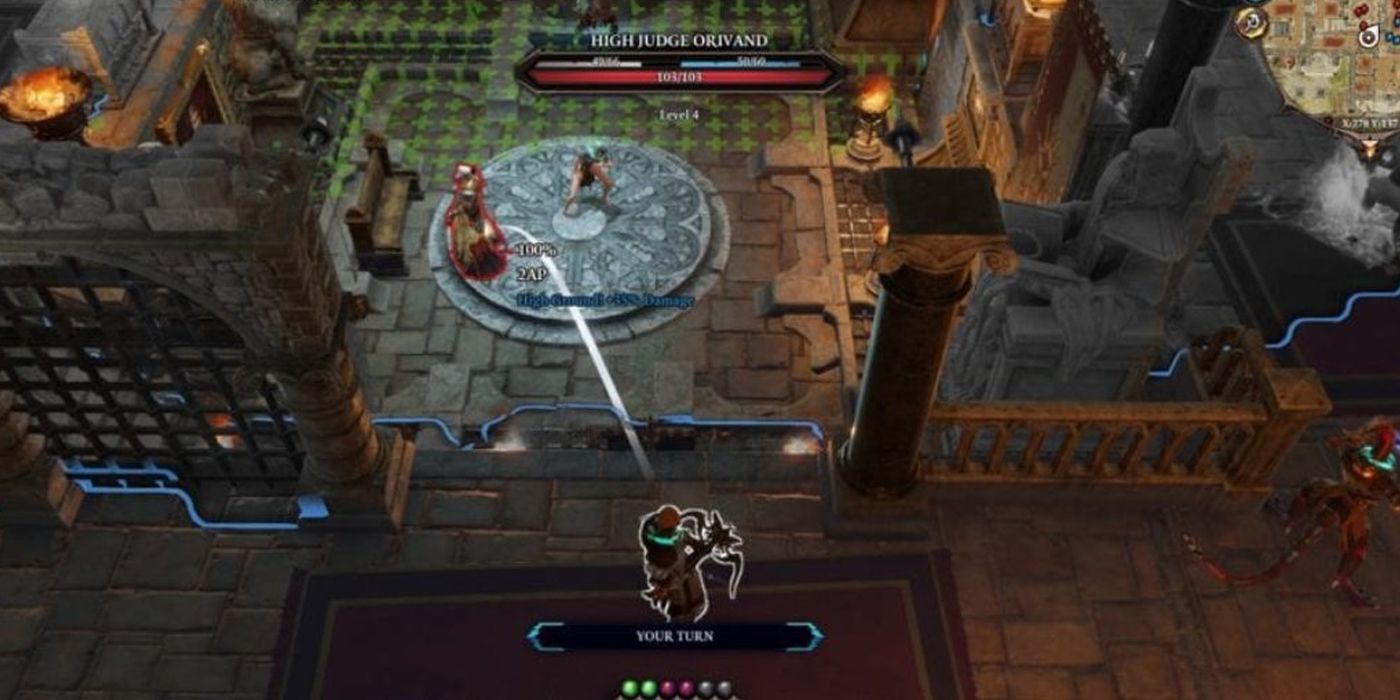
– Successful sneaking allows players to execute backstab attacks. If a character attacks an enemy from behind without being detected, they can deal bonus damage, making them significantly more effective in combat.
– Skills such as “Gorilla” can amplify backstab damage for characters with high Sneaking capabilities, further enhancing combat effectiveness when employing a stealth strategy.
6. Tactical Advantages:
– Beyond engaging in combat, sneaking facilitates various tactical maneuvers, including bypassing enemies altogether to avert confrontation or positioning for critical attacks against foes. Additionally, players can utilize sneaking to commit theft without triggering alarms, making it a versatile tool in both urban and wilderness environments.
– However, it’s important to note that as the game progresses, the utility of sneaking for direct combat diminishes due to the high AP costs and enemy detection mechanics during battles.
Conclusion
In summary, the Sneaking mechanic in Divinity: Original Sin II provides players with a fundamental aspect of stealth gameplay, emphasizing careful positioning and strategic skill investment. It allows for the execution of sneak attacks and theft, catering to players who prefer a rogue-like or stealth-focused approach. Effective use of sneaking can elevate a player’s tactical options, although its value in mid to late-game scenarios may wane as combat dynamics shift. Overall, mastery of sneaking can significantly enhance the enjoyment and effectiveness of a stealth character in the game.



Leave a Reply