
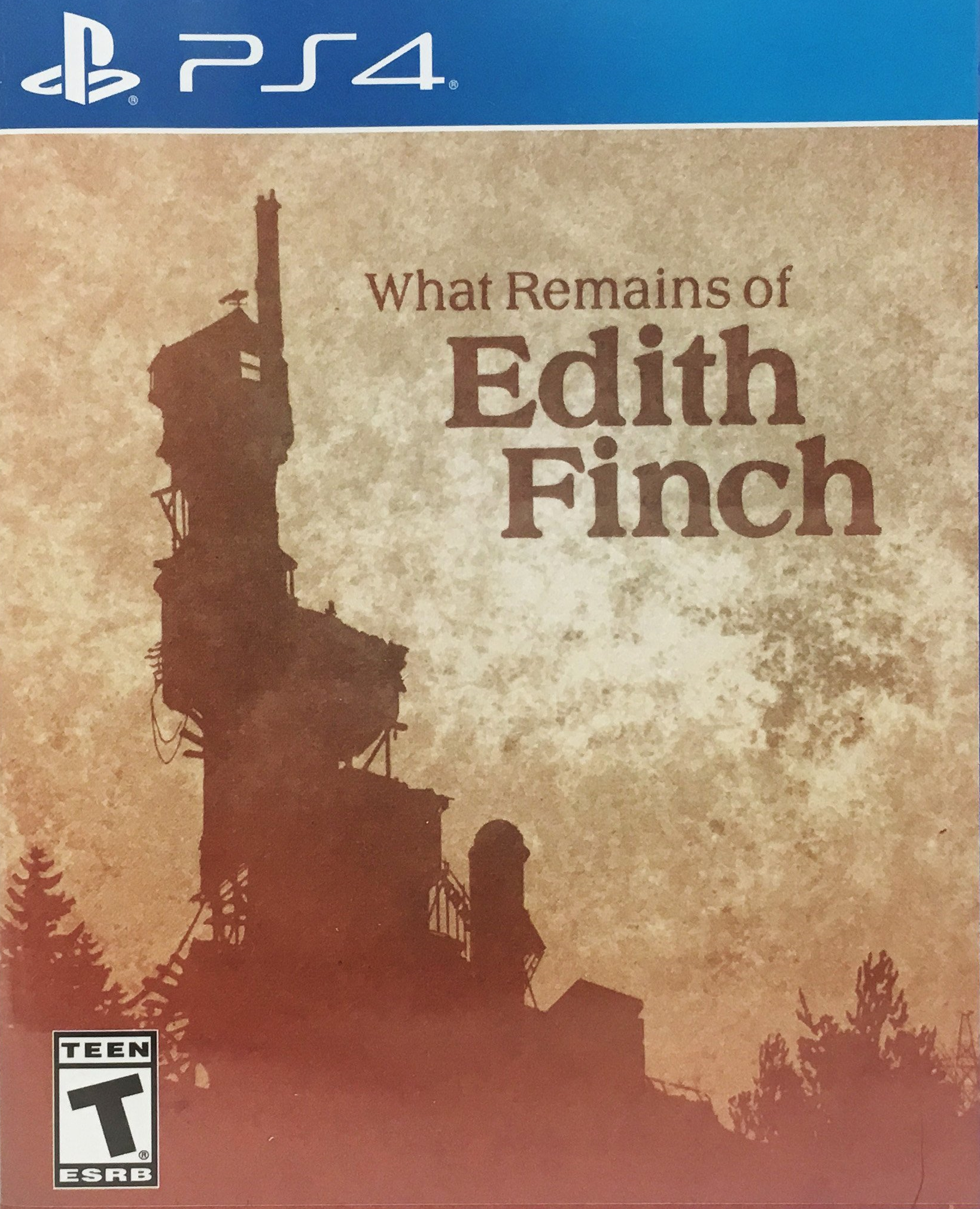
In What Remains of Edith Finch, environmental storytelling is not merely a backdrop but serves as a critical mechanism to convey the tragic history of the Finch family, allowing players to deeply engage with the narrative through exploration and observation. The game’s architecture and artifacts together weave a tapestry of personal and emotional experiences, revealing both the familial bonds and the weight of grief borne from a supposed curse.
Key Elements of Environmental Storytelling
1. Sealed Bedroom Doors:
Each room belonging to a deceased family member is sealed off, creating a poignant shrine that preserves their essence. These sealed doors symbolize loss and the family’s desire to hold onto memories, effectively turning the house into a mausoleum of sorts. The insulation foam and boards serve not just as physical barriers, but as emotional ones that encapsulate the grief and respect felt by the surviving family members. This creative choice highlights the theme of memory preservation versus the inevitability of loss, reflecting the family’s struggle to move on while honoring their loved ones.
2. Artifacts and Personal Items:
Inside these preserved rooms, players encounter various personal artifacts that reflect the individuality of each family member. From hobbies to personal effects, these items serve as tangible connections to their lives, allowing players to reconstruct their stories and, importantly, the circumstances surrounding their deaths. Such exploration transforms the act of discovering each room into an intimate journey through the family’s history, each object acting as a narrative breadcrumb that invites deeper reflection on the interconnectedness of their lives and tragedies.
3. Letters, Poems, and Diary Entries:
Written materials enhance the storytelling layer, providing insight into the thoughts and emotions of the Finch family. Edith’s journal, which manifests in the environment, facilitates both guidance and an emotional resonance, bridging the player’s exploration with the underlying narrative. These texts deepen engagement by providing personal reflections and revealing inner struggles, helping players to empathize with the experiences of loss, longing, and remembrance.
4. House Structure:
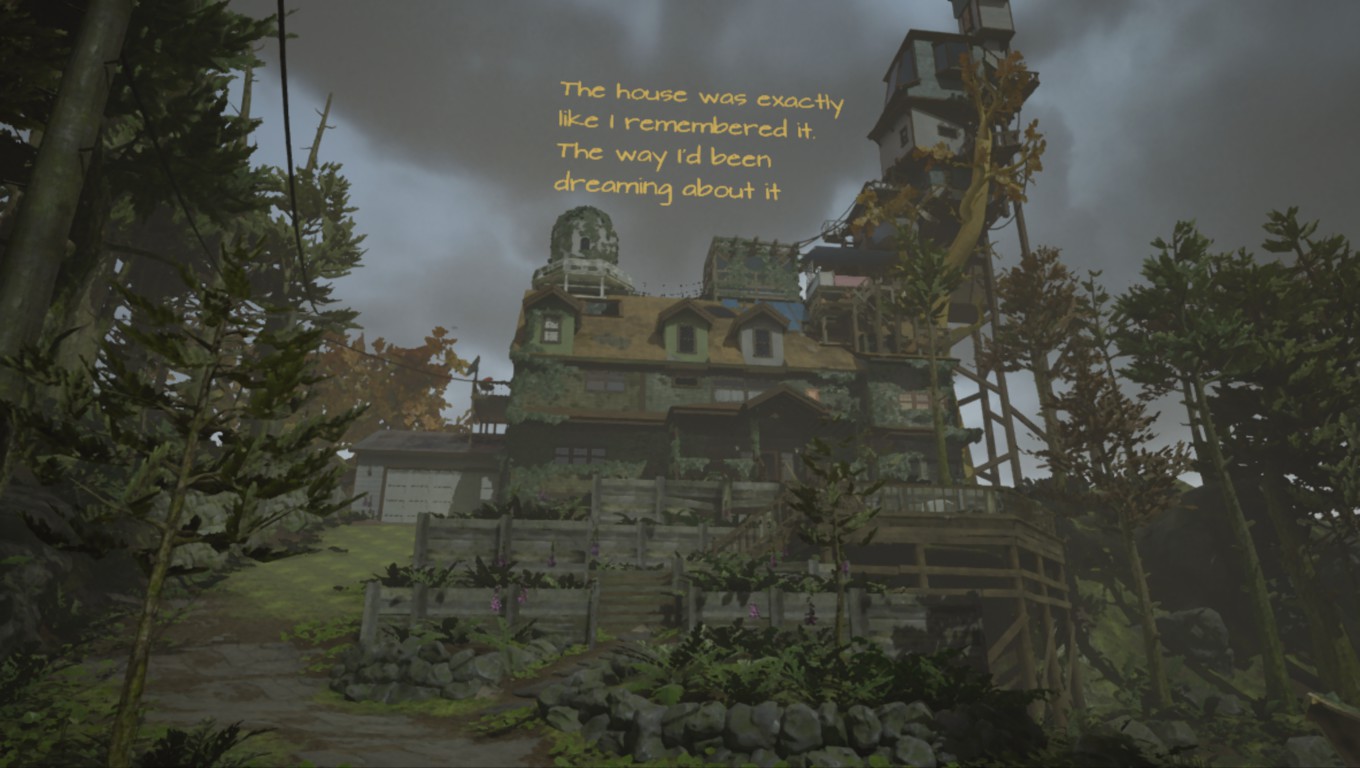
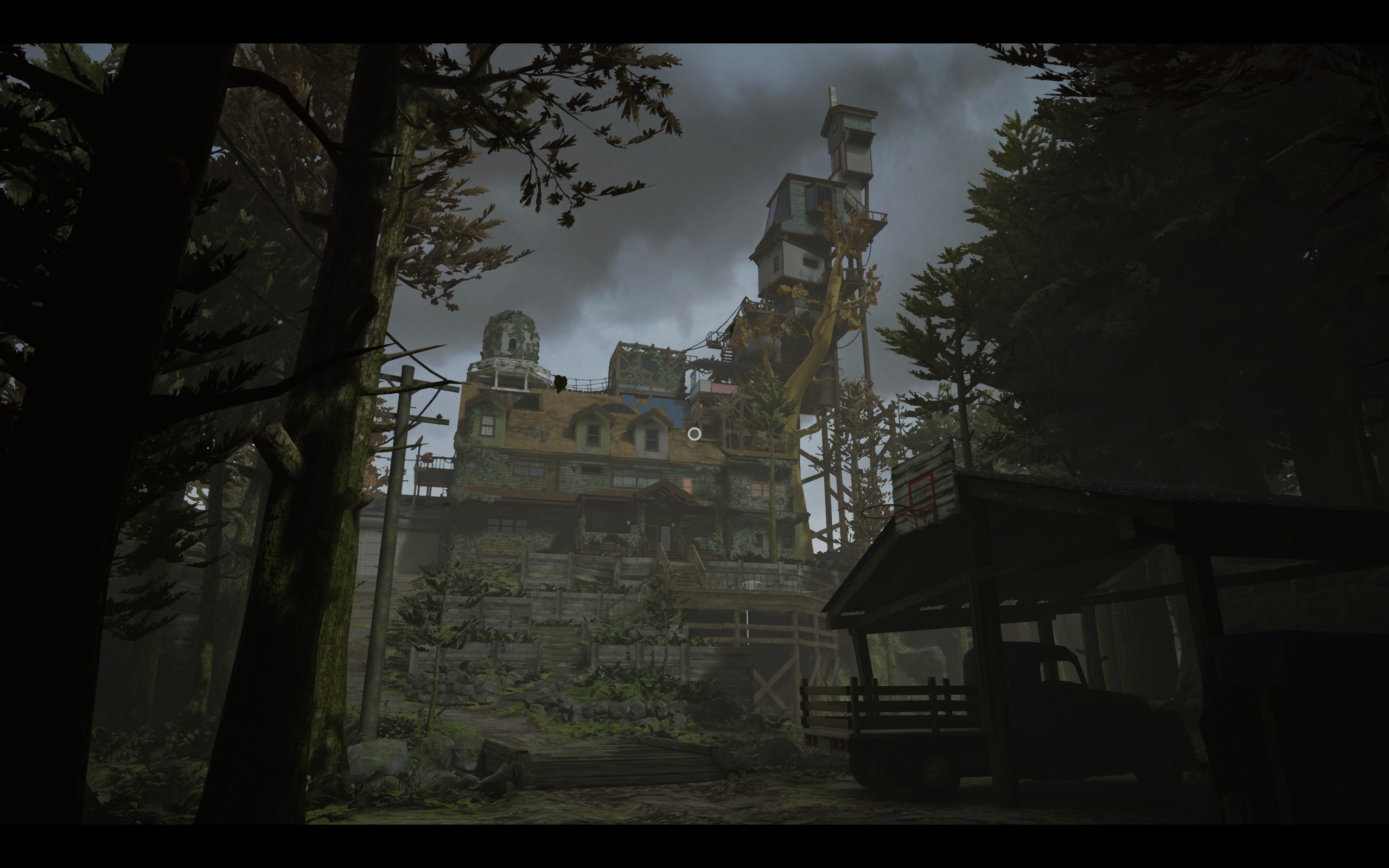
The chaotic architecture of the Finch house becomes an extension of the family’s disarray. The unconventional layout, marked by various additions and alterations, mirrors the complexities of their lives and the tragic narratives that unfold within its walls. This structural design visually represents the weight of history and the family’s attempts to adapt to a fate they cannot escape, reinforcing the theme of inherited grief and the haunting presence of the past.
5. Memorial Shrines:
Each room functions as a heartfelt memorial, encapsulating how the living family members remember and cope with their deceased relatives. These shrines serve multiple purposes: they commemorate individual lives lost while also embodying the overarching family curse that binds their fates. This duality reinforces the idea that memories, while painful, are also essential for understanding identity and connection, shaping how the living perceive the legacies of those who have passed.
Conclusion
The minimalistic yet deeply immersive approach to environmental storytelling in What Remains of Edith Finch invites players to engage in a reflective experience that resonates on emotional and narrative levels. The architectural decisions, the significant artifacts, and the personal writings interwoven into the gameplay all contribute to a profound exploration of the Finch family’s tragic history. Players are not only uncovering a story; they are walking through a living archive of memory and loss, encouraging a deeper engagement with themes of grief, identity, and familial connection. This design effectively transforms the house into a character of its own, filled with the echoes of lives once lived and the weight of the memories that linger on.

Leave a Reply