
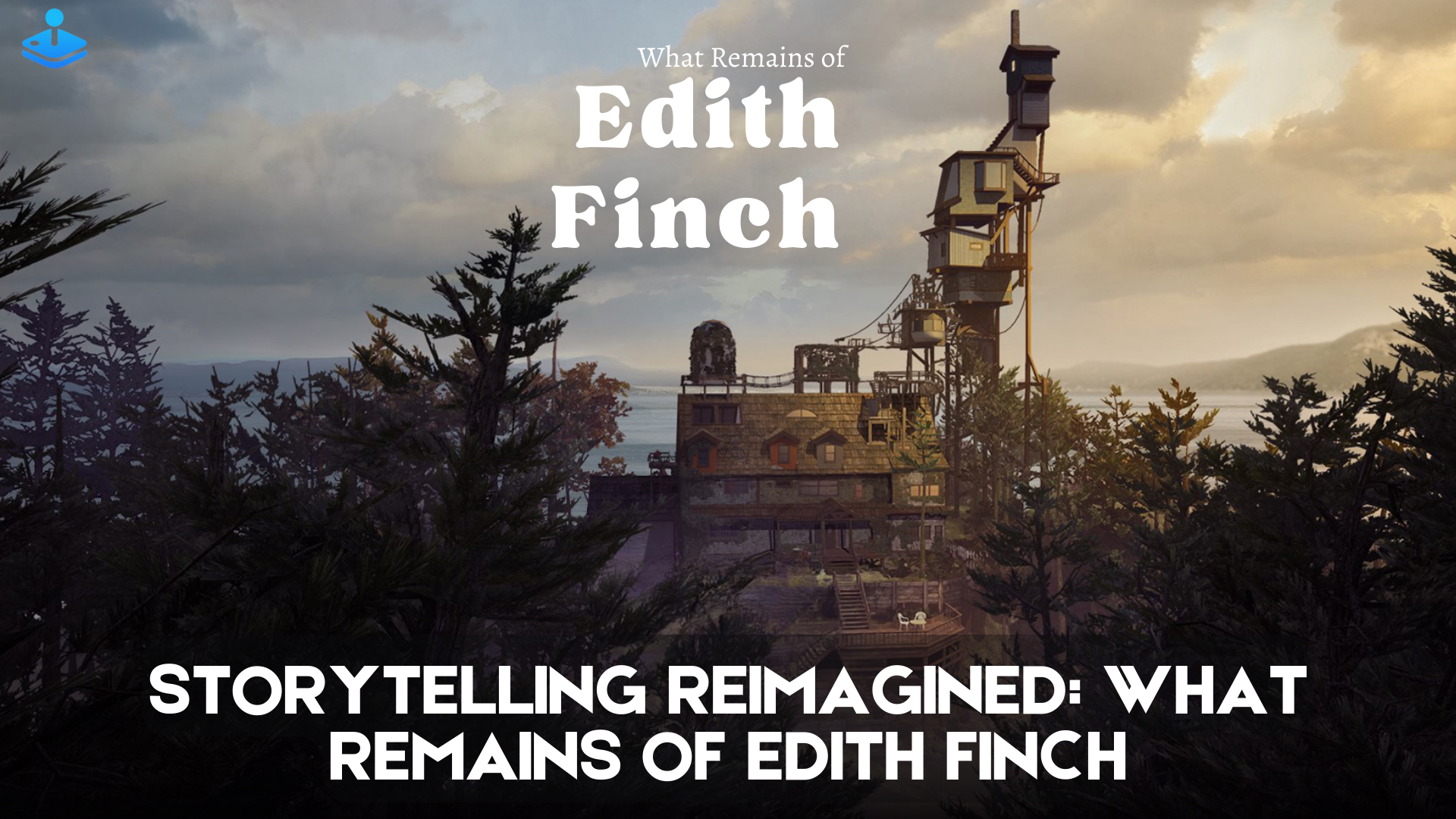
What Remains of Edith Finch is renowned for its intricate storytelling, weaving together diverse narratives that chronicle the lives of the Finch family. Each story segment is meticulously crafted and transitions smoothly, yet the game employs various indicators to signal when a new memory is about to unfold. Below is an analysis of the key cues and strategies players can use to ensure they do not miss any part of the family’s poignant tale.
Key Indicators of New Memory or Story Segments
1. Environmental Objects and Shrines:
– The game utilizes visual and interactive elements to denote new story segments. Specific objects, often ornate shrines, toys, or personal belongings, serve as gateways to different family members’ narratives. For example, Calvin’s story is triggered by interacting with a notable astronaut helmet, while Sam’s narrative starts through a yellow manila folder in a secluded alcove[2][4]. These objects typically stand out in the environment, inviting player interaction.
2. Voiceover Narration:
– Edith’s evocative voice serves not just as a narrative device but also as a guide. As players navigate through the Finch house, her commentary foreshadows upcoming events and provides context about what they are about to experience. This setup effectively signals that a transition into a new story segment is about to occur.
3. Change in Structure or Art Style:
– Each family member’s story is distinct, often featuring unique gameplay mechanics, artistic styles, and presentation methods. For instance, Barbara’s segment is uniquely presented as a comic book, while Calvin’s utilizes a swing set to reflect themes of childhood adventure, and Molly’s story sees a transformation into various animals, indicating a surreal experience[1][2]. These noticeable shifts in style are designed to clearly mark the progression to a new narrative.
4. Closure of Previous Segment:
– Each story segment culminates in the death of the respective family member, often transitioning back to the home or a reflective narration from Edith. This not only brings a natural conclusion to the segment but also subtly guides the player’s movement toward the next object or room that will kickstart the following story.
5. Exploration Prompts:
– The game’s exploratory design encourages players to delve deeper into the house and its narrative. After each story segment, the player is instinctively prompted to proceed to a new section of the house, supported by environmental cues, Edith’s comments, or the spatial layout of the home itself.
How to Never Miss a Story
– Explore Thoroughly: Diligently examine each room for highlighted interactive objects, which often are keys to accessing new stories. Engaging with anything that seems significant ensures that you don’t miss critical segments.
– Listen to Edith: Her narration provides valuable hints regarding where to seek their next point of interest and offers insights into the family’s history.
– Observe Environmental Clues: The design of the Finch house is intentionally navigable, guiding players through unfinished corridors toward undiscovered narrative triggers.
– Embrace the Unusual: When the game suddenly shifts—whether in art style, perspective, or gameplay mechanics—players can be certain they are entering a new memory. Recognizing these transformations enhances the storytelling experience.
– Check Walkthroughs or Maps for Completion: For those concerned about missing elements, detailed walkthroughs or maps can be invaluable. These resources outline all story-dependent triggers and collectibles, helping to ensure a thorough experience[2][4].
Summary Table
| Signal Type | What to Look For | Example in Game |
|———————|—————————————————|———————————–|
| Environmental Object| Highlighted shrine, toy, book, etc. | Astronaut helmet for Calvin[2] |
| Narration | Edith’s voice setting up the next story | “This is where my brother…” |
| Art Style/Gameplay | Sudden changes (comic, animal, swing, etc.) | Comic book for Barbara[2] |
| Structure | Return to house or narration after a death | Walking back to Edith’s perspective|
| Exploration | New areas unlocked, logical progression | Moving to a new wing or room |
Conclusion
Recognizing story segment transitions in What Remains of Edith Finch is key to fully experiencing its rich narrative tapestry. Whether through interactive environmental cues, voiceover narration, stark changes in visual style, or the structured closing of previous segments, the game adeptly guides players from one poignant memory to the next. By being observant and engaging fully with the game’s immersive world, players can ensure that they encounter every emotional story the Finch family has to share.



Leave a Reply