
What Remains of Edith Finch masterfully uses pacing to create a deeply immersive experience that blends exploration and emotional storytelling. The game’s design encourages players to engage thoughtfully with the complex themes of mortality and memory, effectively balancing contemplative exploration with intense narrative moments.
Key Elements of Pacing that Enhance Reflection and Discovery:
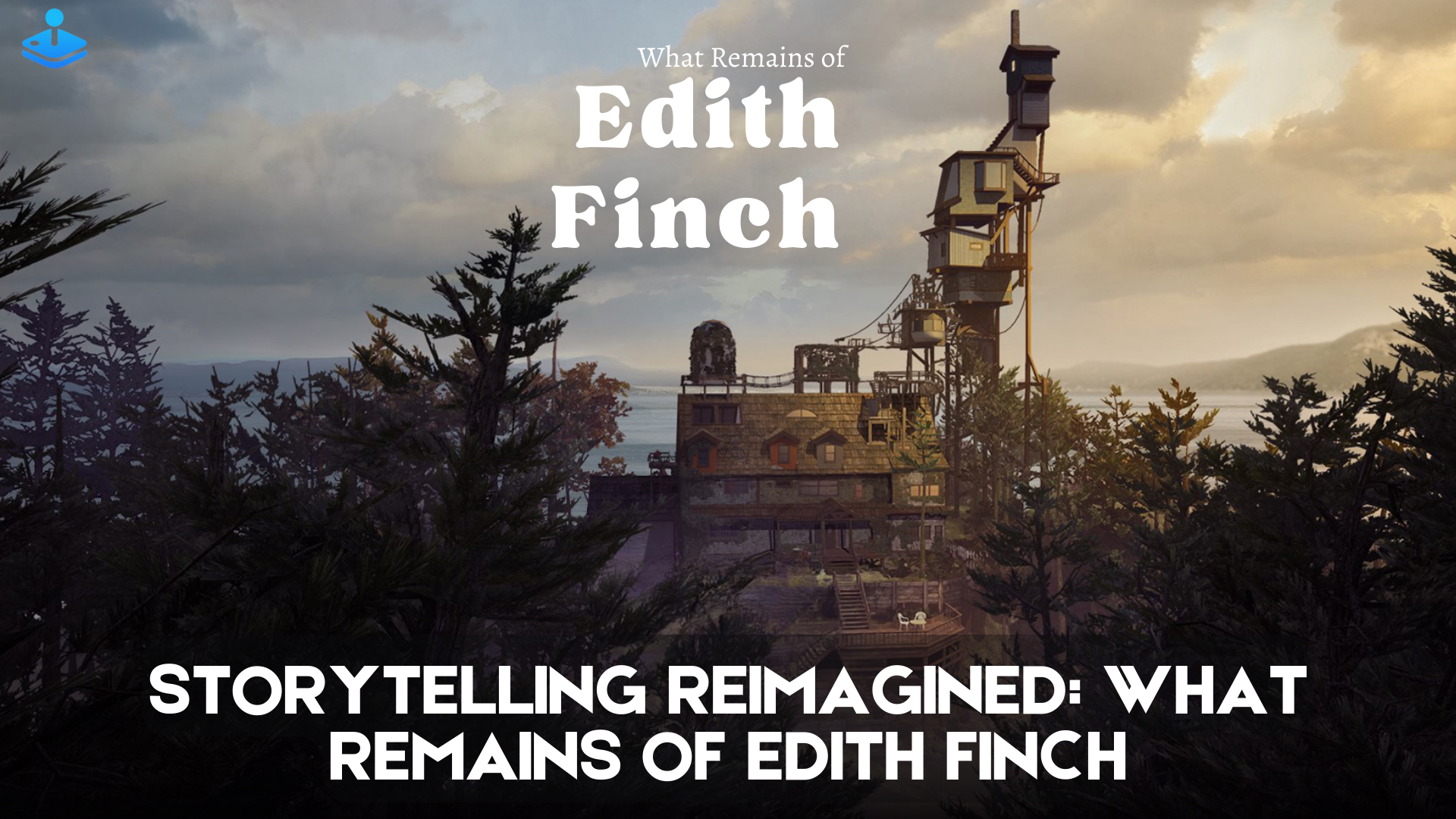
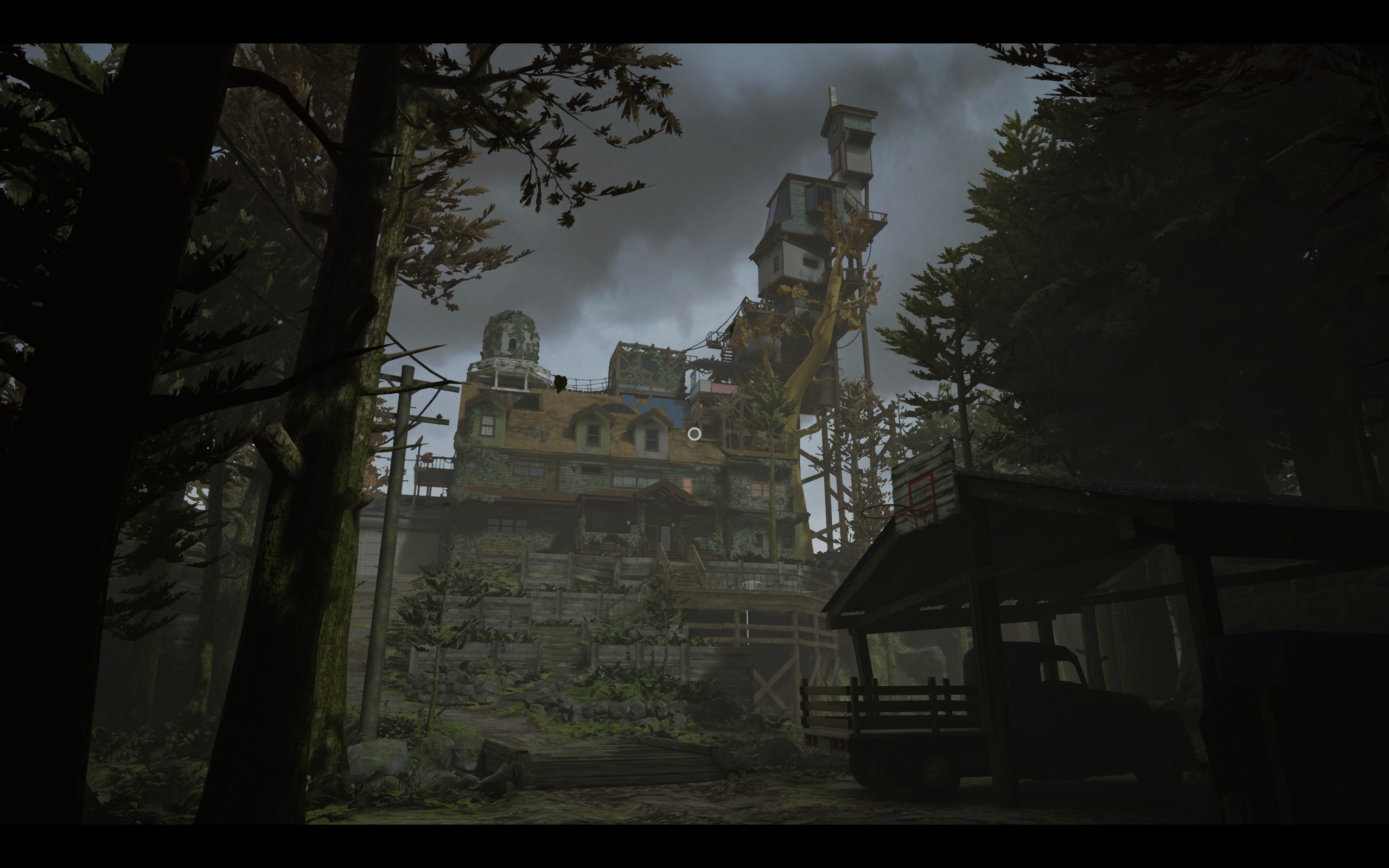
1. Exploration at the Player’s Own Pace: The Finch house and its surrounding areas provide a semi-linear environment that invites players to explore at their leisure. As players move slowly through the various rooms and pathways, they encounter Edith’s narration and the objects in her home. This freedom encourages players to take their time, allowing for personal interpretation of Edith’s story and the memories embedded in her family’s possessions. Such unhurried exploration fosters a contemplative atmosphere, which is essential for deeper emotional engagement.
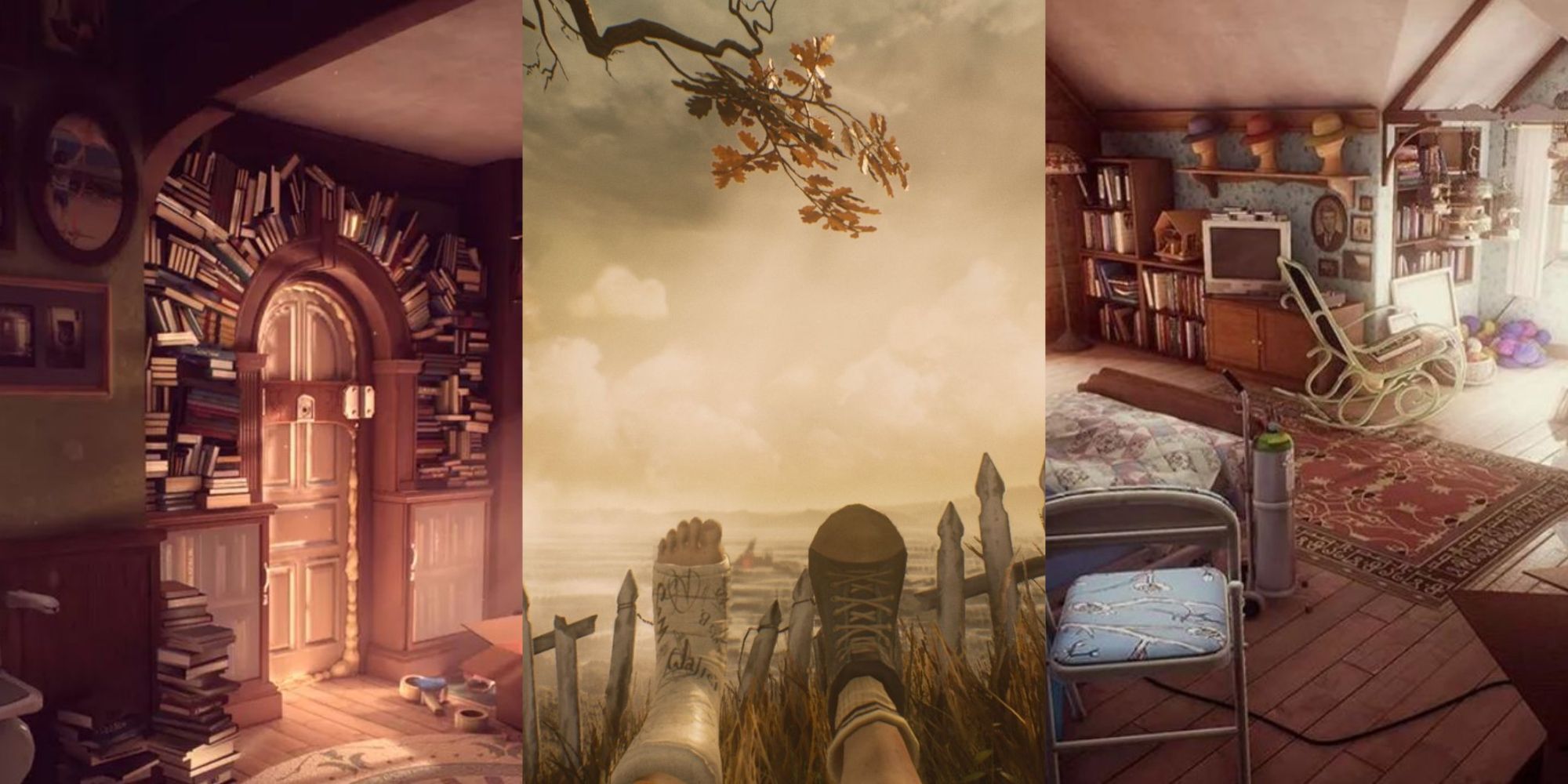
2. Interactive Vignettes Triggered by Discovery: Each family member’s bedroom serves as a portal to their unique, often surreal stories, presented through vividly crafted vignettes. The diverse gameplay styles and storytelling methods used in these segments reflect the individuality of each character’s experiences, emphasizing the nuances of their lives and untimely deaths. This approach not only immerses players in the narrative but also provokes contemplation about the fragility and richness of human existence.
3. Judicious Use of Walking and Narrative Text: Interspersing walking segments with Edith’s voiceover and on-screen text delivers gradual exposition while maintaining a reflective tone. As players navigate through the environment, the pacing allows players to absorb the unfolding story chronologically. The choice to ground the player both spatially and temporally enhances the emotional weight of the themes of memory and loss, as players are invited to contemplate the significance of each moment as it occurs.
4. Balancing Emotional Intensity with Calm Exploration: The game deliberately alternates between slow-paced exploration and emotionally charged vignette sequences. This contrast serves to heighten emotional engagement without overwhelming players with narrative information. By allowing players to pause and reflect on each vignette before moving on, the game masterfully ensures that each family member’s story resonates deeply, reinforcing the overall themes of loss and memory.
5. Metacommentary on Mortality: The design of What Remains of Edith Finch emphasizes the transience of life, inviting players to confront themes of mortality through Edith’s quest to unravel her family’s history. The pacing of the narrative, with its mix of slow exploration and poignant storytelling, highlights the fragility of human existence. This metacommentary encourages players to consider their own experiences with loss and memory, fostering a profound sense of connection to Edith’s journey.
Conclusion:
In summary, the pacing of What Remains of Edith Finch is intricately designed to promote both reflection and discovery, resulting in an intimate and immersive experience. By blending leisurely exploration with emotionally resonant vignettes, the game allows players to engage intimately with the Finch family’s tragedies and mysteries. This unique pacing not only enhances emotional involvement but also cultivates a sense of personal discovery, making the exploration of memory and mortality a poignant and memorable journey.

Leave a Reply