
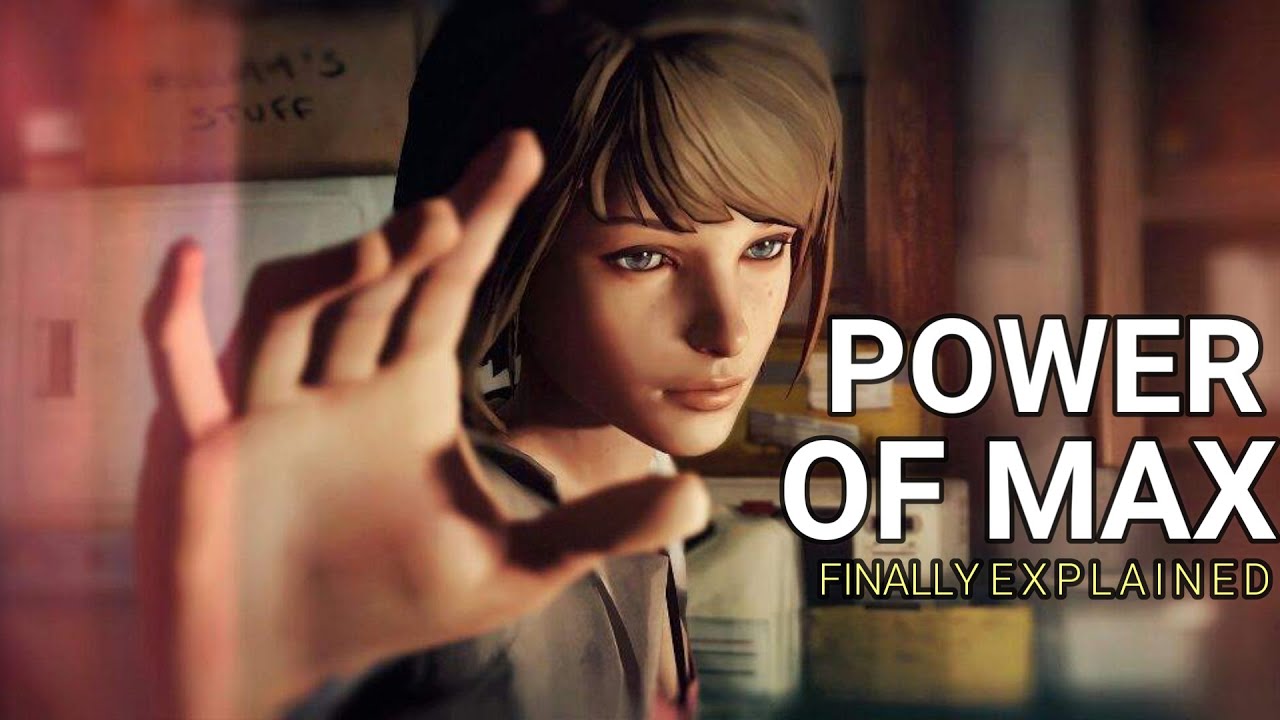
In the game Life Is Strange, Max Caulfield’s rewind power serves as a compelling gameplay mechanic that intricately intertwines with the narrative’s themes of choice, consequences, and the moral complexities of altering fate. However, the use of this power is far from without repercussions, emphasizing the delicate balance between player agency and the overarching narrative implications.
Physical and Mental Strain
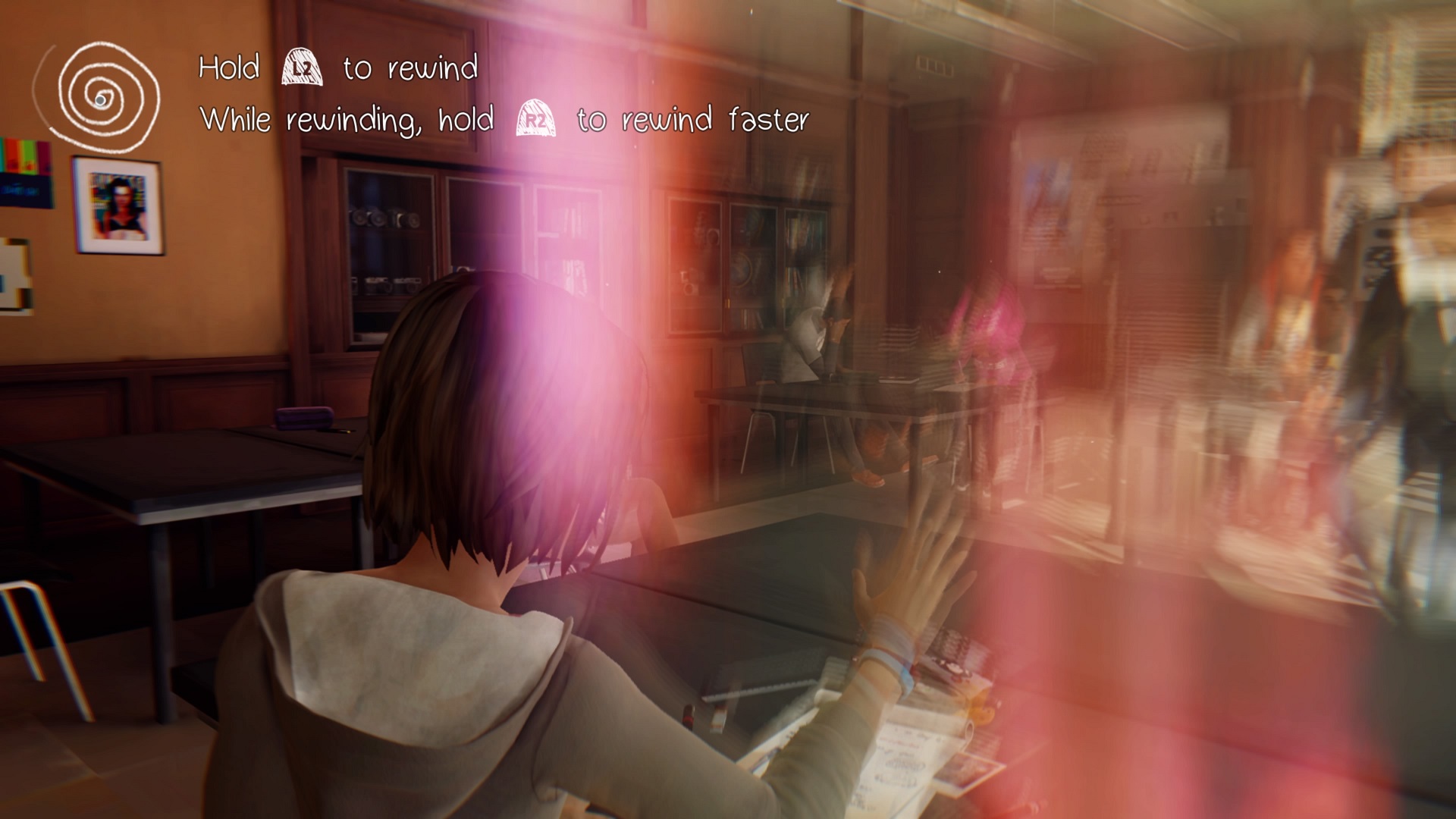
Max’s ability to rewind time is portrayed as both a gift and a burden. Each time she utilizes her power, she experiences physical pain and blurred, red-tinted vision, suggesting that there are significant mental and physical tolls involved in manipulating time. This recurring consequence acts as a poignant reminder that power comes with cost—encountering these symptoms reinforces the idea that her actions may have deeper ramifications than she anticipates, both for herself and for the world around her.
Disturbing Causality
One of the more profound implications of Max’s time manipulation is its impact on causality. The game emphasizes that each rewind disrupts the natural order, suggesting that there are established timelines and events that must remain intact for the universe to function correctly. By providing players the agency to change key outcomes, Life Is Strange invites exploration of the notion that altering significant moments can create ripples throughout the timeline, ultimately leading to unintended consequences.
Universal Balance
As a direct consequence of Max’s repeated interventions—especially in attempting to save her best friend Chloe—the game highlights the concept of cosmic balance. This narrative thread manifests violently through the impending tornado that threatens Arcadia Bay, serving as a metaphorical and literal representation of the chaos unleashed by Max’s actions. The tornado thus symbolizes the catastrophic fallout of her attempts to control fate, reinforcing the idea that tampering with life and death can have disastrous outcomes.
Narrative Consequences
Furthermore, the game cleverly implements moments where rewinding is not permitted, particularly during critical junctures, such as the emotionally charged scene involving Kate Marsh. This intentional restriction deepens the emotional weight of the choices presented to the player, illustrating how some decisions are irrevocable and emphasizing the importance of responsibility in wielding such power. This narrative design serves to heighten the player’s investment in the story by showcasing the real impact of Max’s choices and the limitations of her power.
Conclusion
In essence, while Max’s rewind ability is a foundational element of Life Is Strange, the game serves as a cautionary tale about the dangers of overreaching into the fabric of time and destiny. The balance of power and consequence is a core theme, reminding players that every choice has weight—both on a personal level for Max and on a larger scale for the world around her. This nuanced exploration adds depth to the gameplay and encourages players to consider not just the outcomes they desire, but the ethical implications of their choices.



Leave a Reply