
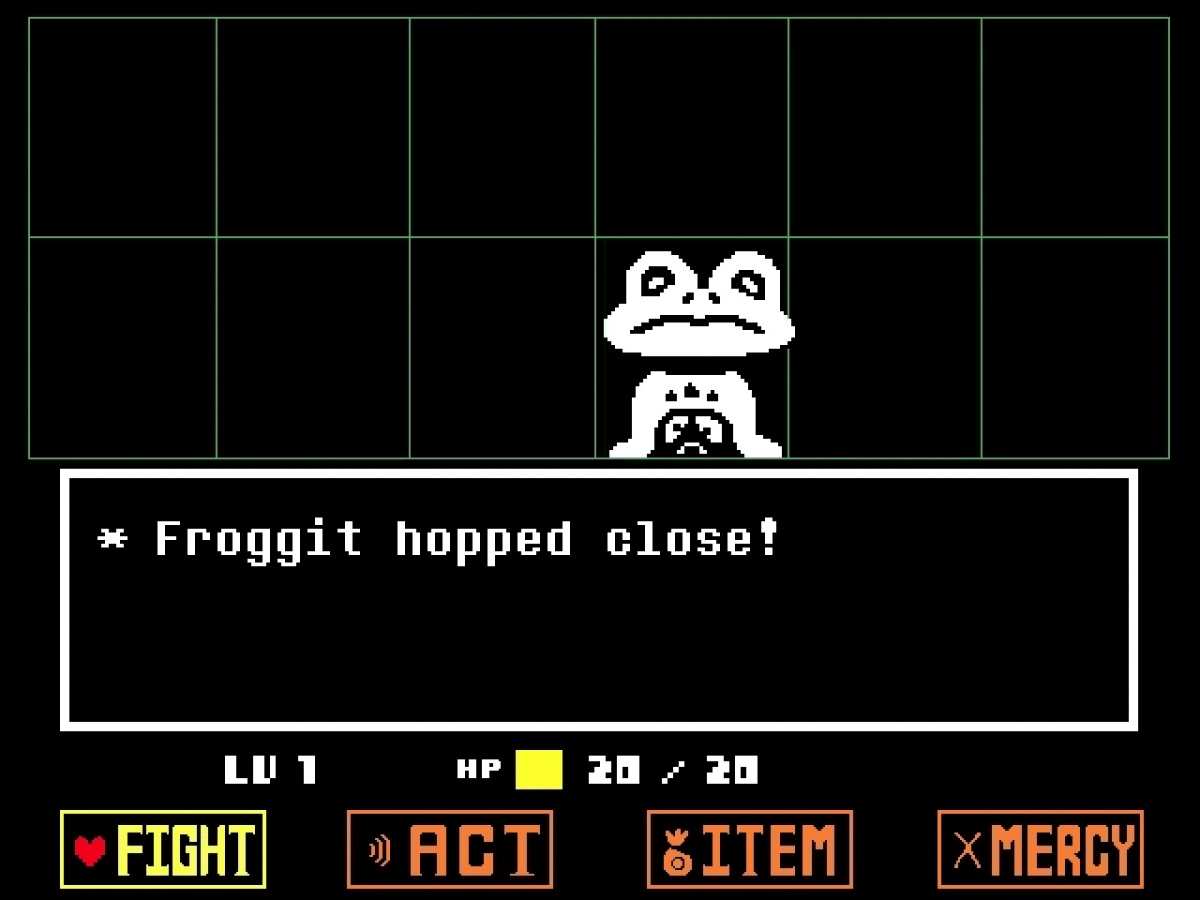
In Undertale, the integration of environmental hazards and terrain elements into combat dynamics plays a crucial role in shaping the player’s experience. During encounters, players control a heart icon representing their soul within a confined space—a box where various obstacles and terrain features create unique challenges. These features significantly affect movement and strategy, enhancing the overall gameplay experience.
Key Features of Environmental Hazards in Combat
1. Movement Restriction and Channeling:
– Environmental elements such as spikes, walls, and moving platforms restrict the player’s movement and can channel their position. For instance, a wall might limit where players can dash to avoid an attack, funneling them into areas with higher risk of damage. This design forces players to think critically about their positioning and movement patterns.
2. Timing and Positioning Adjustments:
– Many enemy attacks require precise timing to navigate effectively. As players dodge, they must account for the layout of the terrain—deciding when to move and how far to go based on the incoming attack patterns. Hazards can either obstruct paths or create safe zones, introducing layers of strategy in both attack avoidance and counter-moves.
3. Interaction with Enemy Attacks:
– The environmental setup can dynamically interact with the enemy’s attack patterns. For example, an enemy’s projectile may bounce off a block, altering its direction and creating unexpected threats, or it may become harmless when hitting certain terrain elements. This interaction encourages players to employ creative dodging strategies that leverage the environment to their advantage.
Impact on Combat Strategy
The inclusion of these environmental hazards elevates combat beyond basic mechanics of attacking and defending. Players must engage in a more active style of play where spatial awareness and quick reflexes are key to success. Combat scenarios often require players to:
– Analyze the Battlefield: Players need to observe how barriers and hazards interact with both their movements and the attacks they face, allowing them to adapt their strategies accordingly.
– Make Quick Decisions: No two encounters are the same, as each enemy and terrain configuration demands its own approach. Players learn to quickly assess threats based on these variables.
– Cultivate Skills: The necessity for refined movement to escape danger translates to a higher skill ceiling, rewarding those who master the dodging mechanic and who can exploit environmental features effectively.
Design Philosophy
The design philosophy behind these environmental hazards centers on fostering a dynamic and engaging combat experience. By blurring the lines between traditional RPG mechanics and bullet-hell elements, Undertale crafts a unique combat system that is both challenging and rewarding. While the game does not delve into complex physics or intricate environmental systems commonly found in other titles, its simplicity is a strength that highlights player skill and situational awareness.
Through this clever integration of environmental hazards, Undertale challenges players to navigate conflicts with agility and strategy, making every battle feel fresh and engaging, and ultimately contributing to the game’s distinctive storytelling and emotional impact.



Leave a Reply