
Bloodborne offers players a rich tapestry of challenging bosses, each requiring mastery of the game’s intricate combat mechanics and an adaptive approach to their unique attack patterns. Understanding these encounters is crucial for progression, as they not only test player skill but also enrich the gaming experience with their lore and design. Here’s a comprehensive overview of the mandatory and some notable optional bosses, along with effective strategies for conquering them.
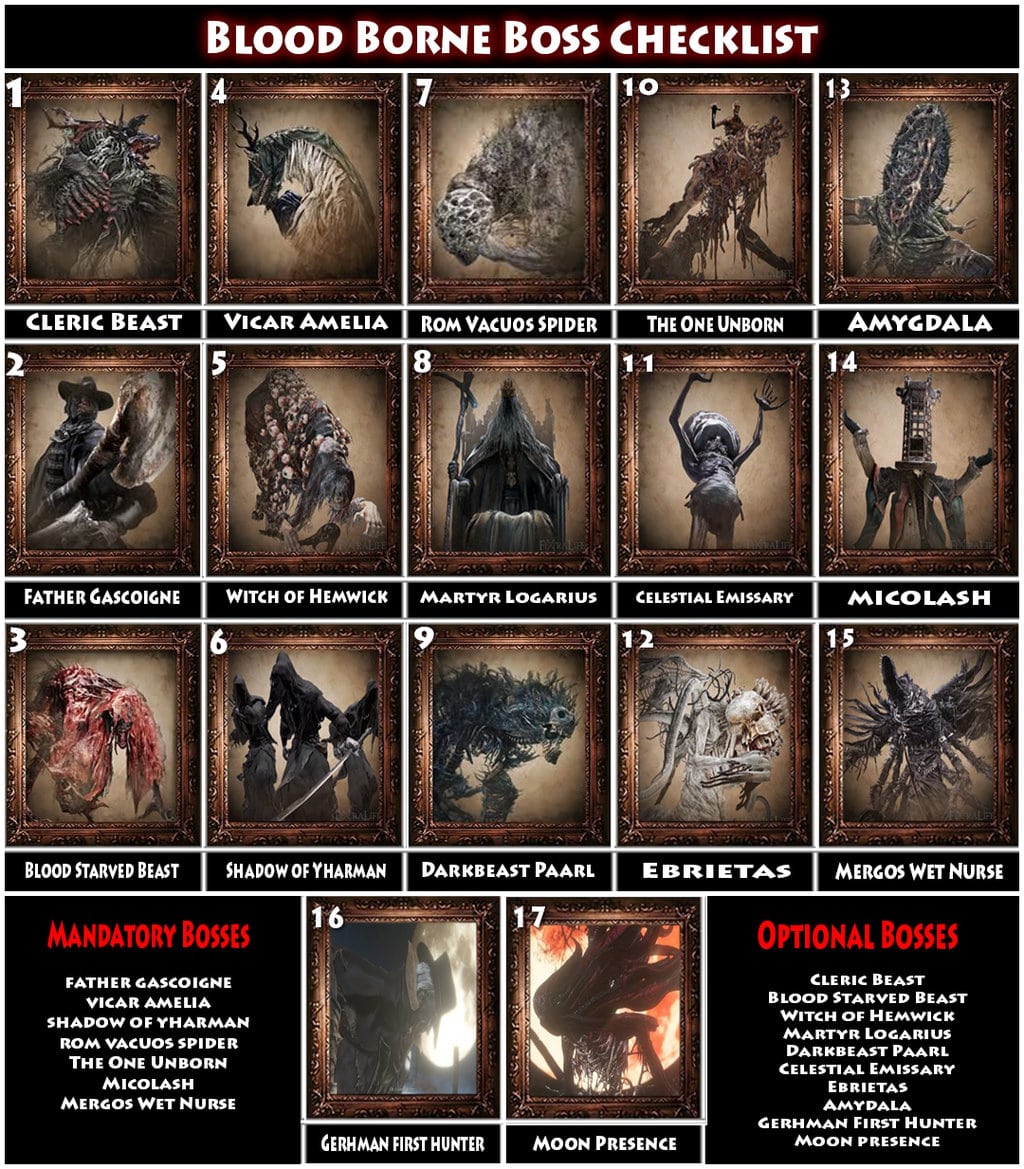
Mandatory Boss Encounters
1. Father Gascoigne
– Location: Central Yharnam
– Strategy: Focus on mastering the dodge and parry mechanics right from the start. Gascoigne’s transformation phase presents an opportunity; he becomes staggered, allowing you to deliver quick, aggressive attacks while managing your distance to avoid his powerful strikes.
2. Vicar Amelia
– Strategy: Given her size and reach, using fire-based weapons or consumables is highly effective. Watch for her vulnerable moments; staying aggressive when she’s staggered ensures swift damage without risking counterattacks.
3. Shadow of Yharnam
– Strategy: This multi-enemy engagement requires prioritizing and isolating the smaller enemies. Taking them down quickly minimizes chaos, allowing you to focus on the main boss without getting overwhelmed.
4. Rom, The Vacuous Spider
– Strategy: Rom’s minion summons can complicate matters considerably. Quickly dispatch these minions to redirect your attention to Rom, using ranged attacks and equipping items that provide arcane resistance to counter her special abilities.
5. One Reborn
– Strategy: Due to its massive size, employing hit-and-run tactics is vital. Be wary of grabs and environmental hazards, and time your attacks to capitalize on openings after it performs significant actions.
6. Micolash, Host of the Nightmare
– Strategy: This boss relies heavily on teleportation and uses ranged attacks. Patience is paramount; strike when he pauses, particularly during his casting sequences.
7. Blood-starved Beast
– Strategy: This fast-moving boss employs poison mechanics, requiring careful dodging and positioning. Utilize circle strafing to avoid attacks and strike from behind, particularly during its leaping and dashing maneuvers. Keep an eye on poison status during its second phase.
Notable Optional Boss
8. Amygdala
– Strategy: Target its weak points—primarily the head and forearms. Although resistant to blunt damage, it is vulnerable to Arcane, Fire, and Bolt, making ranged options favorable. Understanding its attack patterns will help in timing your assaults effectively, especially during openings in its attack sequences.
General Boss Strategies
– Parrying: Mastering the timing of firearm shots to stagger bosses allows players to execute visceral attacks, a vital mechanic against many foes, including Father Gascoigne and Blood-starved Beast.
– Dodging and Spacing: Recognizing attack patterns enables players to dodge effectively and create opportunities for counterattacks, minimizing damage taken while maximizing offensive potential.
– Elemental Damage: Certain bosses possess specific weaknesses; exploiting these by utilizing elemental damage can significantly enhance damage output (e.g., exploiting Amygdala’s vulnerabilities).
– Phase Awareness: Many bosses transition through multiple phases, altering their attack patterns or introducing new threats (such as Blood-starved Beast’s poisonous attacks). Awareness and adaptability during these transitions can turn the tide of battle.
Through these encounters, Bloodborne challenges players to engage deeply with its mechanics, emphasizing the importance of learning boss movements, exploiting weaknesses, and executing precise combat techniques. Each defeat offers a lesson and each victory brings a sense of accomplishment, underpinning the game’s rich design and engaging gameplay. By approaching each encounter with a strategic mindset and a flexible combat style, players can navigate the nightmarish landscapes of Yharnam and emerge victorious.


Leave a Reply