
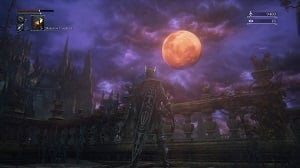
The Blood Moon phase in Bloodborne represents a pivotal moment in the game’s narrative and mechanics, marking a significant transformation in the world of Yharnam. Triggered by defeating Rom, the Vacuous Spider, this phase is not merely a visual change; it is a complex intertwining of lore, gameplay, and atmospheric elements that reinforce the themes of cosmic horror and existential dread woven throughout the game.
Key Changes and Effects
1. NPCs Become Unsavable:
After the onset of the Blood Moon, certain NPCs, such as Arianna and Adella, no longer provide aid or can be rescued. This change signifies a point of no return for various questlines, emphasizing the irreversible impact of the Blood Moon on the fate of Yharnam’s inhabitants. Players must understand that choices made prior to this phase now have long-lasting consequences, deepening the gravity of their decisions.
2. Visibility of Lesser Amygdalae:
The Blood Moon reveals lesser Amygdalae, once hidden and only visible with 40 Insight. This alteration not only heightens the sense of danger in the world but also challenges players to adapt their strategies. The previously unseen enemies now lurk openly, making exploration even more perilous and enhancing the horror atmosphere intrinsic to the game’s design.
3. Travel Restrictions:
With the onset of the Blood Moon, players can no longer awaken at the Hypogean Gaol lamp. This change restricts fast travel, creating a sense of claustrophobia and entrenching players within the increasingly hostile world of Yharnam. The removal of fast travel emphasizes the isolation of the hunter and serves as a mechanic to heighten the tension in navigating through terrifying landscapes.
4. Visual and Regional Differences:
Notably, certain regions such as Old Yharnam, Forbidden Woods, and Forsaken Castle Cainhurst retain their white moon, illustrating localized variations within the game world. This inconsistency adds a layer of intrigue and depth to the lore, suggesting that the influence of the Blood Moon is not uniform across Yharnam but rather affected by geographical and narrative factors.
Enemy Behavior and Cosmic Influence
The Blood Moon escalates the hostility of Yharnam, with enemies displaying more aggressive behavior and tougher combat mechanics. This shift reflects a deeper cosmic influence, indicating that the world is succumbing to madness under the weight of the Great Ones’ presence. The heightened aggression of enemies embodies the chaos that the hunter must navigate through, continually reinforcing the urgency of survival in a corrupted reality.
Narrative Implications
The lore surrounding the Blood Moon phase suggests a disturbing reality where women across Yharnam are becoming pregnant, further intertwined with the curse and the Great Ones’ influence. This motif not only serves to illustrate the abject horror of the situation but also ties into the themes of birth, rebirth, and the cyclical nature of the curse within Yharnam.
Transition to Hunter’s Dream
The culmination of this phase occurs after the defeat of Gehrman and the subsequent encounter with the Moon Presence. This confrontation signifies the hunter’s ultimate entanglement with cosmic horror, pushing the narrative deeper into themes of servitude, madness, and the burdens of knowledge. The transformations that occur in Hunter’s Dream echo the changes in Yharnam, signifying the pervasive reach of the Blood Moon’s influence.
Conclusion
In conclusion, the Blood Moon phase transcends mere aesthetic change; it is a crucial narrative and mechanical evolution within Bloodborne. It embodies the game’s exploration of horror, existentialism, and the psychological weight borne by the player. By transforming the gameplay, enhancing enemy threats, restricting interactions, and reinforcing oppressive lore, the Blood Moon not only signifies a climactic turning point for the player but also encapsulates the darker undertones and rich storytelling that Bloodborne is renowned for.

Leave a Reply