
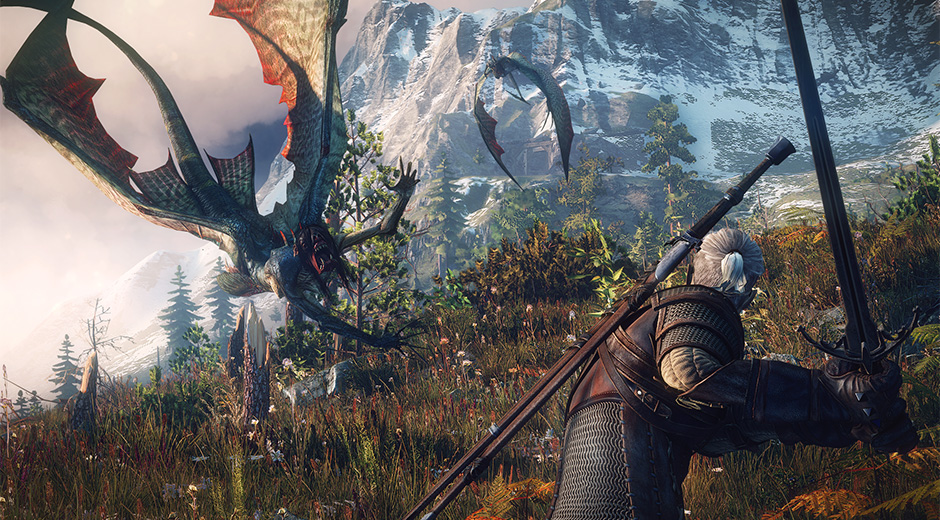
The combat system in The Witcher III: Wild Hunt stands out as a rich blend of mechanics that demand both skill and strategic thinking from players. Central to this experience is the fluid interplay between swordplay, the utilization of Witcher Signs, and careful dodging or blocking, which all converge to create a dynamic and immersive fighting experience.
Key Components of Combat
1. Swordplay:
– Players experience direct control over Geralt’s combat style, with a focus on executing both fast and strong attacks.
– The choice of weapon plays a pivotal role; steel swords are primarily used against humans and non-magical beings, while silver swords are designated for monster encounters.
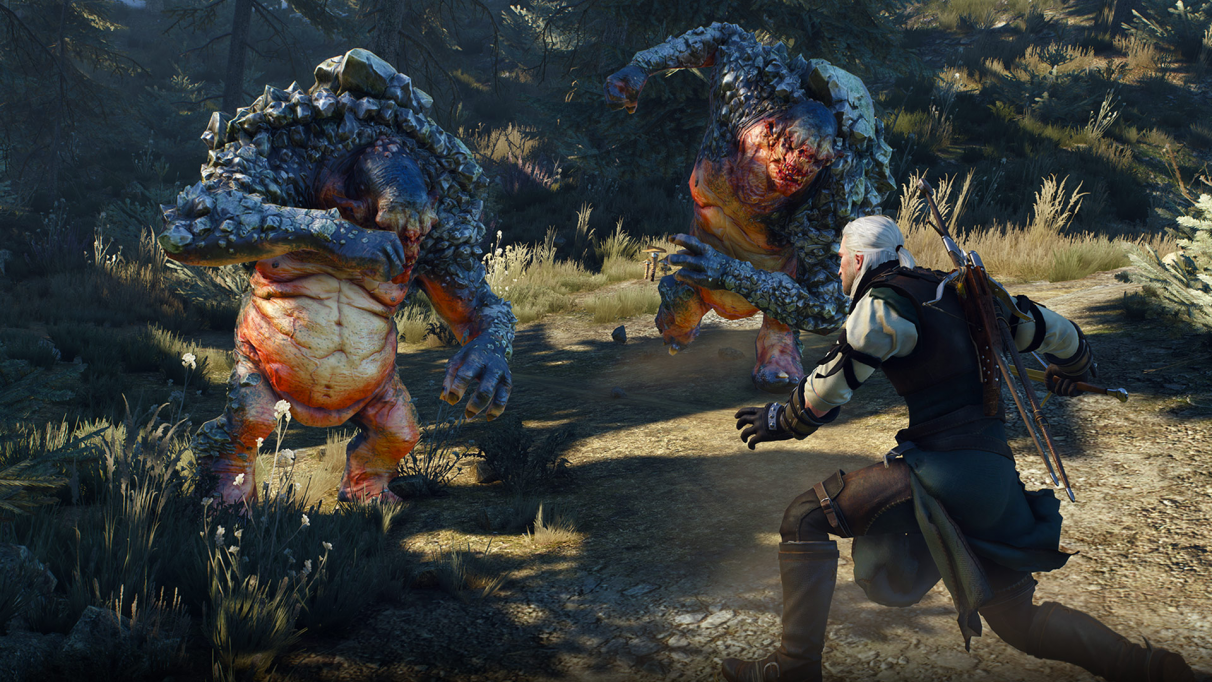
– Strategic positioning is critical; players must aim to hit multiple foes simultaneously, particularly in scenarios where enemies are closely grouped, maximizing damage potential and maintaining pressure on opponents.
2. Signs:
– Geralt harnesses five core Witcher Signs (Aard, Igni, Quen, Yrden, Axii), each offering unique abilities critical to combat engagement.
– Aard creates shockwaves that can knock enemies down, while Igni serves to ignite opponents, offering both damage and crowd control.
– Quen functions dual-purpose as a shield, absorbing damage and incorporating healing mechanics, which encourages defensive gameplay.
– The tactical possibilities are further expanded with each Sign having alternate modes; for instance, Yrden can slow enemies, providing additional control over chaotic battles.
3. Dodging and Blocking:
– The combat system rewards players for dodging attacks through well-timed movements, granting Geralt momentary invulnerability frames to evade damage and set up counterattacks.
– While blocking is facilitated through the left trigger, offering a method to parry incoming blows, relying solely on blocking can be risky, especially against more formidable foes where deploying effective dodges becomes paramount.
– Mastering the timing of dodges not only aids in survival but also allows players to exploit openings for swift counterstrikes.
Tactical Depth and Strategy
The combat mechanics are considerably enriched through supplementary elements like alchemy, which allows players to craft potions that enhance Geralt’s abilities, and the use of blade poisoning for added damage over time. Similarly, bombs and traps play a significant role, providing players with tools for crowd control and tactical advantages during engagements.
This multilayered combat system encourages players to think creatively and adapt their strategies depending on both the enemies faced and the specific combat circumstances. For instance, in fights against numerous foes, one might prioritize using Signs for crowd control, while in single combat against a strong adversary, a combination of dodging and precise swordplay would be essential.
Conclusion
Overall, The Witcher III: Wild Hunt presents a combat system that is not only engaging and visceral but also challenges players to craft their own approaches to various situations. By synthesizing intricate sword mechanics, the strategic deployment of magic through Signs, and the careful timing of defensive maneuvers, players are encouraged to develop their combat style while navigating the rich world that Geralt inhabits. This blend of elements ensures that every combat encounter feels unique and rewarding, reinforcing the game’s status as a benchmark in action RPGs.


Leave a Reply