
In The Witcher III: Wild Hunt, players encounter a variety of monsters, each with unique classifications, weaknesses, and combat behaviors. Understanding these aspects is crucial for devising effective strategies during encounters. Below is a detailed examination of four notable monster types: Nekkers, Drowners, Ghouls, and Griffins.
1. Nekkers
– Type: Necrophage (small humanoid monsters)
– Weakness: The best way to counter Nekkers is with Necrophage Oil (referred to as Ogroid Oil in some contexts).
– Behavior/Combat Notes:
– Nekkers are typically found in groups, often led by a Nekker Chieftain, which enhances their combat prowess by boosting their morale.
– They rely on their agility and night vision to effectively hunt in the dark, using pack tactics to overwhelm foes.
– When engaging with this monster type, it’s advisable to avoid direct confrontations with groups. Targeting the Chieftain first can debilitate the rest of the horde.
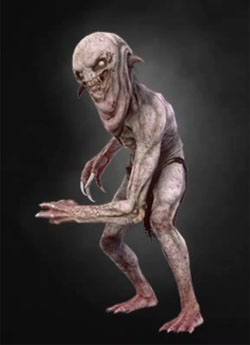
2. Drowners
– Type: Necrophage (amphibious humanoids)
– Weakness: Drowners are vulnerable to Necrophage Oil and fire attacks, particularly the Igni sign.
– Behavior/Combat Notes:
– These monsters utilize claw swipes and can ambush players by hiding beneath the water’s surface.
– A unique behavioral trait is their mourning when a fellow Drowner falls, offering a strategic opportunity to capitalize on their brief moment of vulnerability to safely eliminate additional foes.
3. Ghouls
– Type: Necrophage (flesh-eating predators)
– Weakness: Ghouls are resistant to Beast Oil, yet they are susceptible to Necrophage Oil and the Igni sign.
– Behavior/Combat Notes:
– Often found near corpses or battle sites, Ghouls are aggressive and employ jump attacks from different angles.
– When facing Ghouls, the Yrden sign can be instrumental in slowing them down, while the Quen sign provides a defensive shield against their damage. Strategic positioning and patience are key when dealing with this relentless foe.
4. Griffins
– Type: Hybrid/Beast (large flying predators)
– Weakness: Combat against Griffins largely hinges on evading their potent attacks while exploiting openings created by utilizing Igni for fire damage and Aard for staggering them.
– Behavior/Combat Notes:
– Griffins can fly, bringing a dynamic element to battles, as they swoop in for devastating attacks.
– Successfully dodging their charges and waiting for the right moments to attack when they are staggered can turn the tide of the fight to the player’s advantage.
Summary Table
| Monster | Type | Weaknesses | Combat Tips |
|———–|————–|————————————-|—————————————————–|
| Nekkers | Necrophages | Necrophage Oil (Ogroid Oil in RPG) | Avoid aggressive group attacks; prioritize Chieftain first |
| Drowners | Necrophages | Necrophage Oil, Igni | Take advantage of their mourning behavior; use fire attacks |
| Ghouls | Necrophages | Necrophage Oil, Igni | Utilize Quen for defense, Yrden to slow; proceed carefully |
| Griffins | Hybrid/Beast | Igni, Aard (to stagger) | Time dodges to evade attacks; strike when staggered; fire is effective |
Key Takeaways:
To maximize survivability and effectiveness in combat against these creatures, players should leverage knowledge of each monster’s weaknesses and behavior patterns. Proper preparation, including the use of the right oils and signs, forms the backbone of a successful strategy in the treacherous world of The Witcher III: Wild Hunt.
Leave a Reply