
In The Witcher III: Wild Hunt, dialogue choices are integral to the gameplay experience, fundamentally shaping the story, character arcs, and the game’s multiple endings. The rich complexity of the narrative is enhanced through these choices, allowing players to steer Geralt’s relationships, influence character development, and alter the overall plot trajectory.
Key Impacts of Dialogue Choices
1. Story and Ending Outcomes:
– The interactions between Geralt and Ciri are particularly impactful. Conversations during pivotal quests like Final Preparations and Child of the Elder Blood heavily influence Ciri’s character development and self-perception. For instance, if Geralt encourages Ciri to handle significant challenges on her own, such as speaking to the Lodge of Sorceresses without his direct assistance, it fosters her confidence, leading to more positive outcomes in her storyline. In contrast, choosing to accompany her can result in a detrimental impact on her confidence and result in darker narrative outcomes—highlighting a direct correlation between dialogue choices and the resulting fate of key characters [1][2].
2. Character Relationships:
– Geralt’s relationships, particularly his romantic entanglements with Triss and Yennefer, are heavily influenced by dialogue selections. The choices players make—not just who Geralt romances, but also the specific responses given during critical conversations—can lead to different endings. For example, prioritizing Yennefer in conversations can solidify that romance, while neglecting her in favor of Triss may sever that bond, demonstrating that every response carries weight and can determine Geralt’s ultimate romantic conclusion [4].
3. World and NPC Reactions:
– Dialogue choices can influence the game world in more nuanced ways. Minor decisions may lead to avoidance of conflicts or foster new alliances, altering NPC attitudes toward Geralt and shaping side quest outcomes. For example, friendly dialogue prompts can lead to beneficial trades or information from NPCs, while aggressive or dismissive responses might lock players out of potential resources or support. These interactions illustrate how seemingly small choices can have lasting implications on the narrative landscape and the player’s experience [5].
4. Roleplaying Nuance:
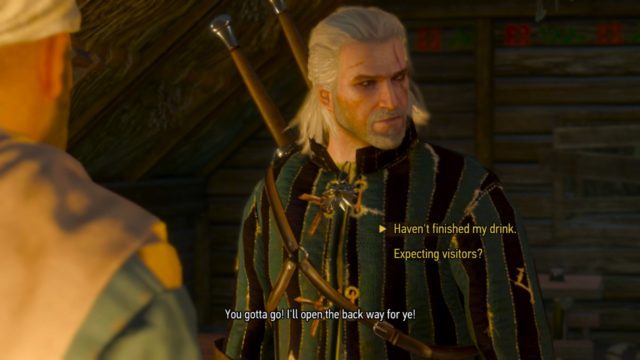
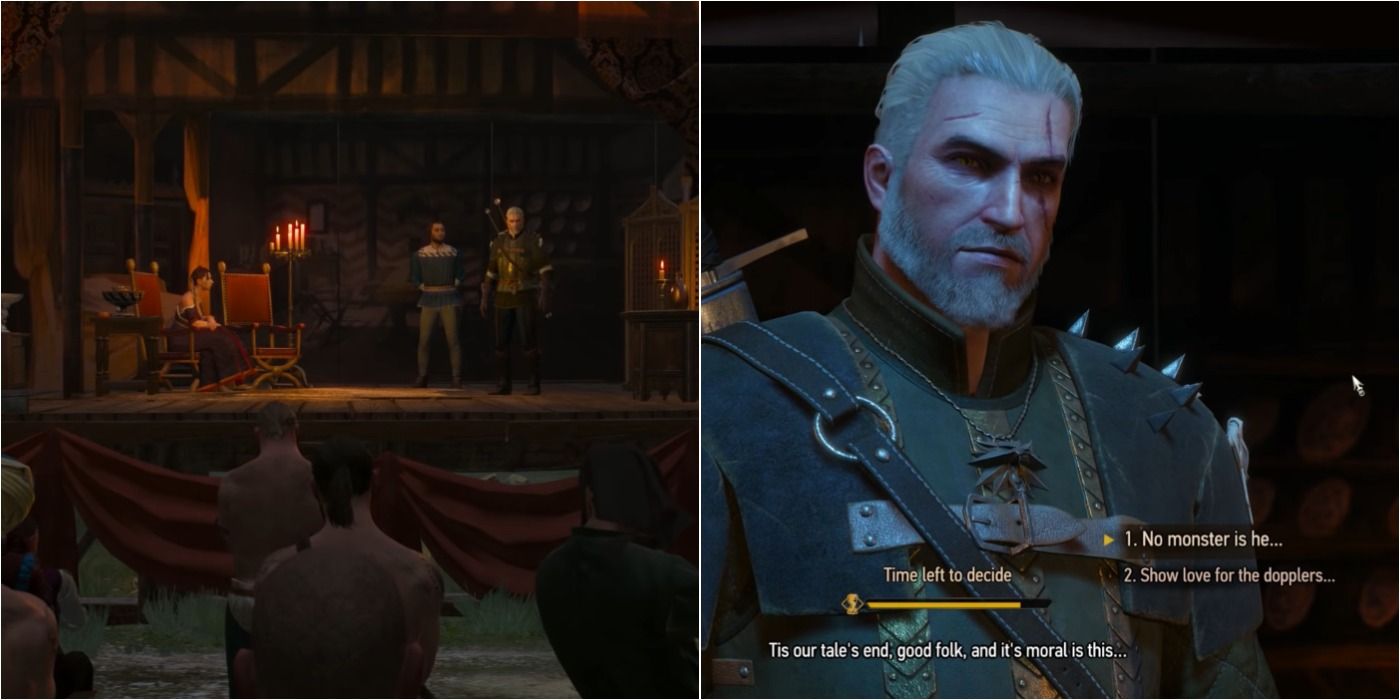
– The game emphasizes a roleplaying experience where subtlety can be just as impactful as overt declarations. In situations where players are presented with timed dialogue prompts, choosing non-confrontational replies or opting for silence can diffuse tension and lead to more favorable outcomes. This flexibility reflects Geralt’s personality and allows players to forge a character that resonates with their interpretation of him, showcasing the subtlety and depth within dialogue mechanics [2].
Conclusion
In summary, dialogue choices in The Witcher III: Wild Hunt are pivotal in shaping the narrative arc and character evolution. The impact of these choices extends far beyond immediate dialogue; they influence how characters interact, evolve, and the various potential endings based on player decisions. The game’s design encourages players to engage deeply with its stories and characters, making each choice matter in the grand tapestry of the Witcher universe.

Leave a Reply