
In The Witcher III: Wild Hunt, players navigate a complex narrative shaped by the choices of Geralt of Rivia, particularly regarding Ciri, his adopted daughter. The game presents three primary endings based on their journey together, ultimately reflecting Ciri’s fate and Geralt’s personal resolutions.
Ciri’s Fate Endings
1. Ciri Becomes Empress of Nilfgaard
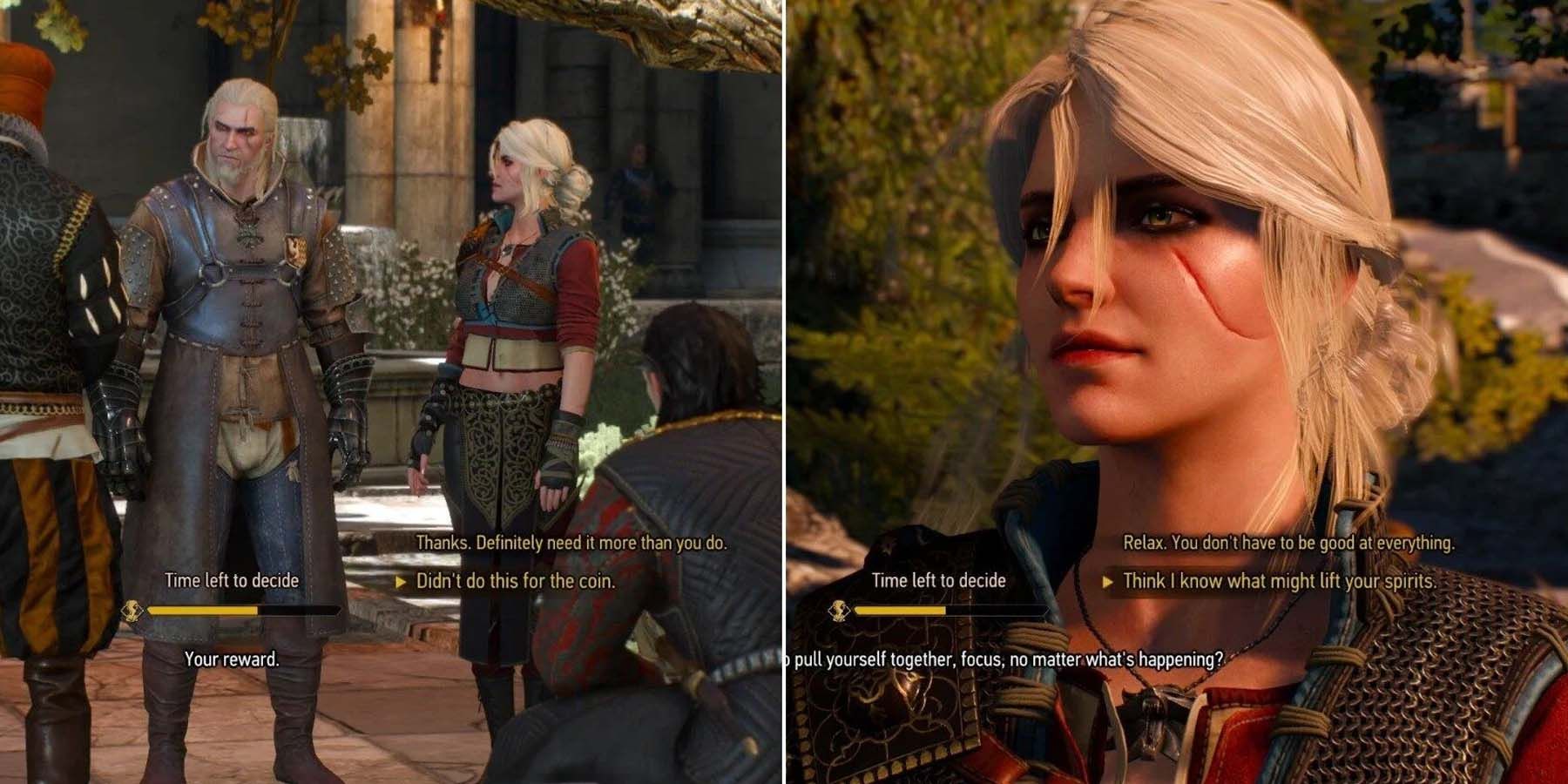
– In this ending, Ciri embraces her role as a leader, thriving as the Empress. To achieve this outcome, Geralt must consistently make choices that boost Ciri’s confidence and support her aspirations. Key actions include:
– Encouraging her during crucial moments, particularly in quests such as “Blood on the Battlefield” and “Final Preparations.”
– Allowing her to pay homage at significant locations, such as Skjall’s grave, which reinforces her emotional strength.
– This ending signifies hope and political resolution, showcasing Ciri’s capability to unite the realms as she takes on the mantle of leadership.
2. Ciri Becomes a Witcher
– Here, Ciri opts to step into Geralt’s shoes, choosing the path of a Witcher over that of an empress. This outcome can be seen as a fulfilling resolution for Geralt but carries a bittersweet implications for the greater world, as the ongoing conflicts are likely to persist.
– Achieving this ending necessitates a mixed choice pattern, leaning positively without directly engaging in certain political maneuvers, like accepting an alliance with Emhyr.
– This choice reflects Ciri’s growth and her decision to forge her own identity, culminating in an evocative moment where she climbs the tower at Kaer Morhen in the epilogue, symbolizing her commitment to the Witcher’s path.
3. Ciri Dies
– This ending is regarded as the bleakest outcome, where Ciri succumbs to despair and perishes while confronting the White Frost. To reach this conclusion, Geralt’s decisions must significantly undermine Ciri’s self-worth, particularly during pivotal moments in her narrative.
– The aftermath sees Geralt return to seek vengeance against the crone Weavess, but the storyline closes on a grim note, with implications of Geralt facing insurmountable dangers, thus leaving a haunting atmosphere for the game’s conclusion.
Geralt’s Fate
While Ciri’s destiny is central to the game’s endings, Geralt’s fate varies significantly based on his romantic endeavors:
– Romancing Yennefer: Geralt finds solace in retirement with Yennefer, stepping away from the chaotic life of a Witcher and building a future together.
– Romancing Triss: Alternatively, should Geralt choose to pursue a relationship with Triss, he settles in Kovir, finding peace in their companionship.
– No Romance: Should Geralt avoid romantic entanglements, he may continue as a solitary Witcher. Should Ciri die in this scenario, Geralt’s ending is slightly less conclusive, with Dandelion, the bard, visiting him at his vineyard.
How Endings Are Determined
The outcomes are heavily influenced by:
– Geralt’s Choices in Key Quests: Ciri’s fate is largely determined by decisions made during key quests such as “Blood on the Battlefield,” “The Child of the Elder Blood,” and “Final Preparations.” Supporting her emotionally and making choices that portray hope enhances the chances of a positive outcome.
– Romantic Paths for Geralt: His romantic choices, made throughout the game, significantly shape his final fate, affecting his end scene and emotional resolution.
– Political Alliances and Side Quests: While these choices primarily shape the world state and overall atmosphere rather than directly affecting Geralt and Ciri’s personal conclusions, they can influence minor details and context around the endings.
In conclusion, The Witcher III: Wild Hunt offers rich narrative depth through its endings, allowing players to shape the fates of both Ciri and Geralt based on their choices throughout the game. Whether fostering Ciri’s potential as a leader, guiding her towards a life as a Witcher, or facing the tragic loss of her life, players encounter emotionally resonant outcomes that culminate in distinct narrative resolutions.

Leave a Reply