
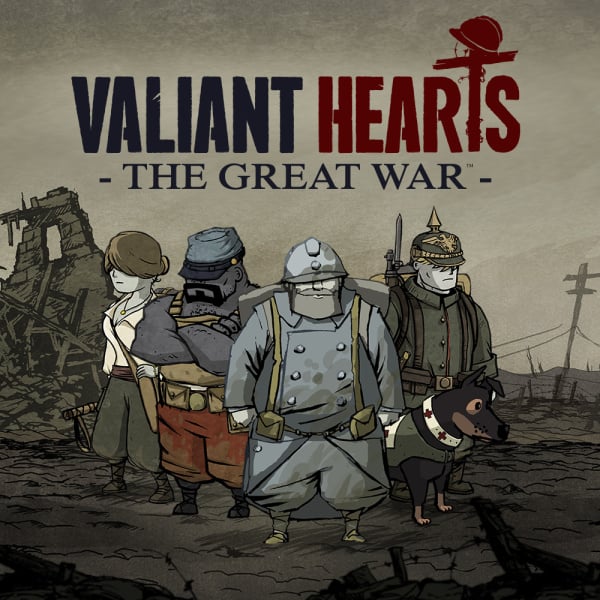
In Valiant Hearts: The Great War, the role of the Narrator is integral to the storytelling mechanism, providing a seamless blend of narrative progression and emotional depth that enhances the player’s experience. Positioned between gameplay segments, the Narrator offers a cohesive overview of the main plot, illuminating the events of World War I through concise storytelling that avoids the heaviness of dialogue or extensive text during active gameplay.
Character communication throughout the game leans heavily on visual cues and minimal vocalization, which allows for a more immersive interaction that transcends language barriers. The Narrator steps in to fill these narrative gaps, offering valuable historical context and emotional impetus without disrupting the flow of the gameplay. This strategy emphasizes the visual storytelling and iconography inherent in the game’s design, enabling players to engage with the emotional weight of the characters’ struggles and the historical backdrop they inhabit.
The effectiveness of the Narrator is particularly notable when transitioning between different protagonists—each representing unique perspectives and experiences on the front lines. This transition helps to weave together the overarching narrative, highlighting key events both in the characters’ journeys and the broader context of the war. However, critiques of the narrative style suggest that the game’s emotive power largely stems from its visuals and symbolism, sometimes overshadowing the Narrator’s contributions. The rich imagery successfully conveys much of the emotional resonance, allowing players to connect deeply with the story through what they see and experience, rather than relying solely on the Narrator’s voice.
In summary, the Narrator in Valiant Hearts: The Great War serves as an essential tool for storytelling, ensuring that players are guided through the intricate web of personal and historical narratives. By balancing clarity and emotional depth with a commitment to visual storytelling, the game maintains both immersion and engagement, making the Narrator a critical companion to the player’s journey through this poignant representation of wartime experiences.
Key Points:
– The Narrator explains story elements and sets up scenarios between gameplay.
– Character communication relies on visuals and sounds, with the Narrator providing necessary context.
– This design choice bolsters emotional engagement while framing plot developments clearly.
– The Narrator complements rather than overrides the powerful visuals and emotional narrative expressed through gameplay.


Leave a Reply