
Device 6 stands out as a unique narrative experience where the integration of textual layout and formatting plays a pivotal role in puzzle-solving. The game innovatively transforms the reading experience into an interactive journey that mimics the character Anna’s exploration through both the narrative and physical space. This multifaceted approach requires players to engage with the text not merely as a passive observer but as an active participant in the unfolding story.
Key Aspects of Layout and Formatting in Puzzle-Solving
1. Text as a Spatial Map: The arrangement of the story text is designed meticulously, with its flow directly reflecting the physical movements within the game world. Players may need to scroll or tilt their devices to follow Anna’s path, with the direction of text guiding them—scrolling right often represents moving east, for instance. This clever encoding of movement into the text encourages players to consider the spatial relationships within the narrative, making observation critical for uncovering hidden clues.
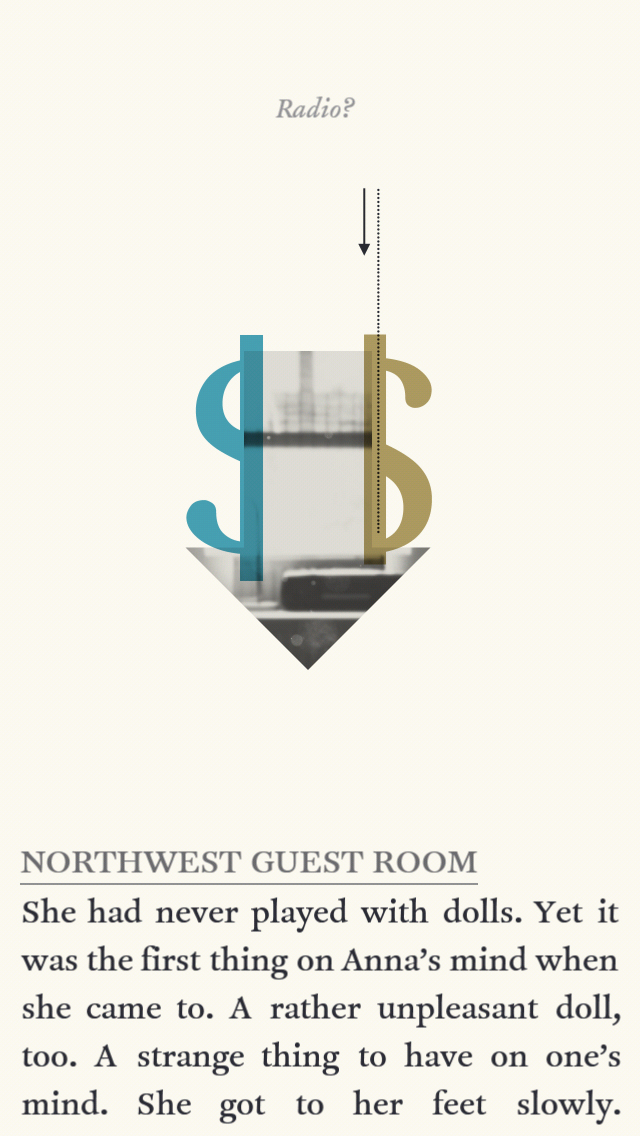
2. Integration of Text and Imagery: The interaction between the written word and visual elements is essential. Puzzles often require players to examine images closely and pay attention to intricate details within the text that might serve as hints. This dual analysis—interpreting text alongside imagery—enhances the engagement and depth of puzzle-solving, compelling players to think critically about how both mediums interplay to reveal solutions.
3. Breaking the Fourth Wall: Device 6 employs formatting changes that deepen the immersion for players. For example, text may slow down to reflect Anna descending a ladder, or lines may fade to mimic an environment plunging into darkness. These stylistic choices not only contribute to the narrative atmosphere but also serve as clues, inviting players to interpret the meaning of these shifts for puzzle resolution. This approach engages various senses, enhancing the emotional and cognitive connection players have with the story.
4. Interactive Text Elements: The game presents text in unconventional formats, such as wrapping around the screen, offering full-page reveals, or presenting disappearing sentences. This unpredictability requires players to interact actively with the content, treating it as an integral part of the puzzle itself. Such design choices encourage a hands-on approach to reading and discovery, compelling players to remain vigilant for clues embedded within the text itself.
5. Device Manipulation: Utilizing the features of mobile devices—like touchscreen gestures and physical tilting—adds another layer to the interactive experience. Players must perform actions such as swiping or shaking to advance through puzzles, signifying a seamless blend of reading and gameplay. This physicality ensures that players are not just passive readers but are actively engaged in the game’s mechanics, enhancing their investment in uncovering the narrative’s mysteries.
Conclusion
In summary, Device 6 employs a sophisticated framework of visual text layout and formatting that transforms reading into a dynamic, interactive experience. The marriage of narrative exploration with spatial navigation, puzzles, and device interactions results in a compelling gameplay experience where players must engage with the text in multifaceted ways. This innovative approach underscores the game’s complexity, requiring players to decode both literary and visual languages to progress, ultimately making the act of reading a central and exhilarating component of the puzzle-solving journey.

Leave a Reply