
In Far Cry 4, players navigate a rich narrative landscape influenced by three primary factions, each with distinct ideologies and motivations. Understanding these factions enhances both the gameplay experience and the overarching story. Here’s a deeper look into these factions and their impact on the game:
1. The Golden Path
The Golden Path serves as the rebel group fighting against the oppressive regime of Pagan Min. However, it is not a monolithic entity; instead, it is divided into two rival sub-factions, each led by a charismatic leader with contrasting philosophies:
– Sabal: He represents a more traditionalist approach that emphasizes preserving Kyrat’s cultural heritage, spiritual values, and religious practices. Sabal’s vision seeks to create a society rooted in the traditions of the past, which he believes will provide stability and identity to the people of Kyrat.
– Amita: In stark contrast, Amita advocates for a pragmatic and militant approach to resistance. She believes that the only way to effectively overthrow Pagan Min is through aggressive tactics, often justifying violent measures as necessary for progress and liberation. Amita’s focus is on results, which can lead her to take morally questionable actions for the sake of victory.
Narrative Impact: The choice between siding with Sabal or Amita is pivotal and influences the progression of missions, the development of characters, and the ultimate resolution of the storyline. Players must grapple with the moral implications of their decisions, as supporting one leader over the other can result in vastly different outcomes for Kyrat.
2. The Royal Army under Pagan Min
Pagan Min embodies authoritarian rule in Kyrat, portraying a complex antagonist role. His regime is characterized by:
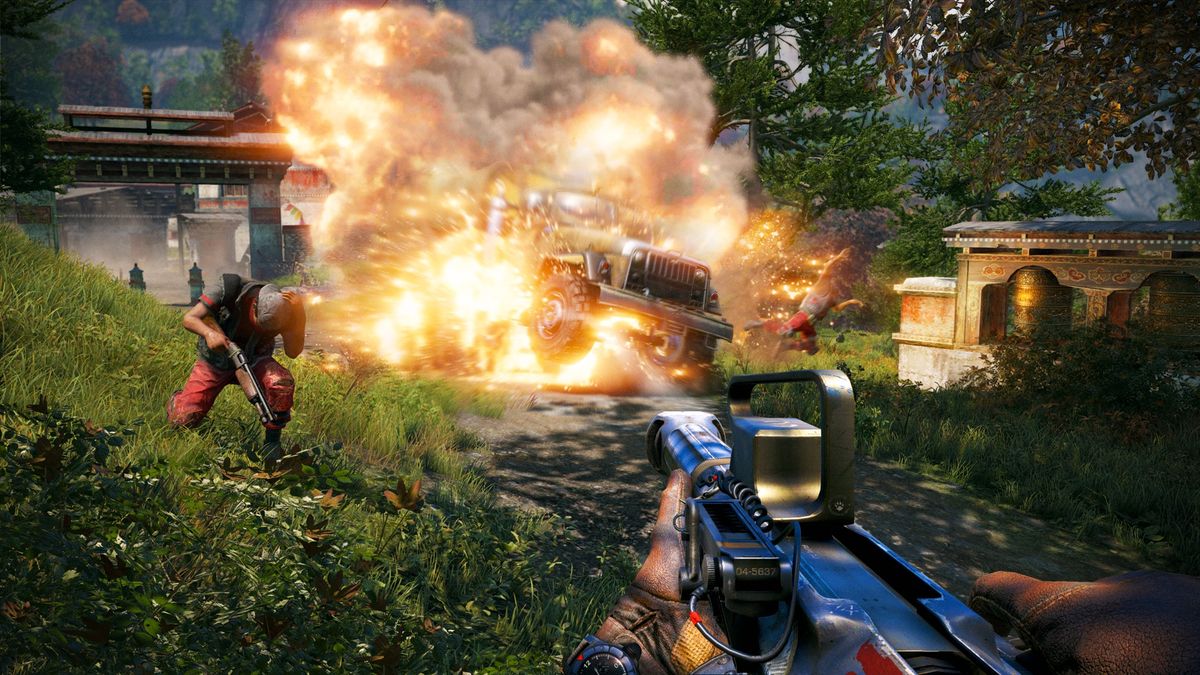
– Discipline and Power: The Royal Army is highly organized, well-equipped, and represents a formidable adversary to the Golden Path. The soldiers enforce his will ruthlessly, maintaining control over the population through fear and intimidation.
– Personal Complexity: Despite his role as the primary antagonist, Pagan Min’s character adds depth to the narrative. His interactions with Ajay Ghale, the protagonist, show layers of personality that evoke questions surrounding power dynamics, control, and betrayal. This complexity makes players reconsider the black-and-white nature of good and evil within the conflict.
Narrative Impact: Min’s oppressive rule sets the stage for the entire conflict and shapes Ajay’s motivations throughout the game. The struggle against his regime and the exploration of rebellion intermingle with Ajay’s personal journey, ultimately leading to a quest not just for liberation but for self-discovery.
3. Local Militia and Other Groups
In addition to the main factions, the presence of local militias, bandits, and mercenaries adds another layer of complexity to the storyline. These factions may align temporarily with either the Golden Path or the Royal Army, introducing additional challenges and dynamics into the gameplay.
Narrative Impact: The existence of these localized groups enriches the world of Kyrat, highlighting the chaotic nature of civil conflict. Players must navigate relationships and rivalries that affect not just strategic gameplay but also the emotional landscape of the narrative. This diversity in opposition enhances the immersive experience of the game, where alliances can shift and the situation can change rapidly based on player actions and decisions.
Overall Impact on the Story
The factional conflict within Far Cry 4 is not merely a backdrop for combat but a central component shaping the player’s experience. As players engage with these factions, they encounter:
– Moral Ambiguities: The rivalry between Sabal and Amita adds depth, forcing players to confront difficult moral choices. Neither faction embodies a purely heroic cause, which complicates the narrative landscape.
– Shifting Outcomes: The endings of the game vary based on which faction players choose to support, demonstrating how their decisions directly influence Kyrat’s future. This aspect of gameplay encourages multiple playthroughs to fully explore the ramifications of each choice.
– Character Development: The relationships and conflicts between the factions drive character growth, particularly for Ajay, as he navigates his identity amid a rebellion.
In conclusion, the different factions in Far Cry 4 serve not only as gameplay mechanics but also as narrative engines that propel the story forward, provide rich moral dilemmas, and shape the protagonist’s journey through a tumultuous and complex landscape. The choices players make resonate deeply, leading to varied endings and experiences within the immersive world of Kyrat.



Leave a Reply