
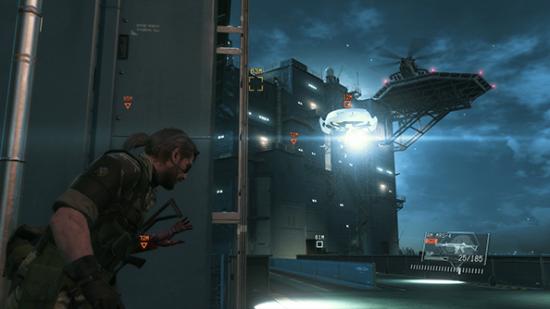
In Metal Gear Solid V: The Phantom Pain, the integration of environmental interactions significantly enhances the gameplay experience, particularly in regards to stealth and infiltration. Players are encouraged to engage with various elements within the environment, such as lights, generators, and alarm systems, to craft strategies that allow for effective stealth operations. Here’s a more detailed breakdown of how these interactions facilitate covert movement:
1. Lights
Lights play a critical role in enemy detection. They illuminate areas, making it easier for enemies to spot Venom Snake. Players have the option to:
– Turn Off Lights: Interacting with individual light sources allows players to create shadows and dark zones. This is particularly useful in areas where visibility is high, as it significantly lowers the chances of being seen.
– Destroy Lights: In scenarios where stealth must be maintained without the ability to turn off lights discreetly, players can opt to destroy light sources. This action can serve as a tactical distraction, drawing enemy attention away from other areas, allowing Snake to move undetected.
2. Generators
Generators are vital components of enemy installations as they control power to various systems:
– Disabling Generators: By sabotaging or stealthily eliminating generators, players can shut off lights, which directly impacts enemy visibility. Furthermore, this action can also disable electronic devices and critical security measures, including camera surveillance, thereby creating safer passages through heavily guarded zones.
3. Alarm Systems
Alarm systems represent a significant threat to stealth operations:
– Locate and Disable Alarms: Identifying alarm mechanisms and neutralizing them before they can be triggered is crucial. This prevents enemies from calling for reinforcements during suspicious activities, allowing players to maintain the element of surprise. Disabling alarms also helps in managing the overall alert level of the area, reducing the chance of a rapid enemy response to any disturbances.
Tactical Depth and Strategic Planning
The ability to manipulate these environmental factors introduces a layer of tactical planning:
– Creating Diversions: For instance, turning off lights in one area may prompt enemies to investigate, creating openings in other zones where Snake can maneuver.
– Combining Actions: Players can engage multiple systems synergistically—disabling a generator to cut power while simultaneously turning off existing lights to maximize stealth.
This interactivity in The Phantom Pain not only enhances the immersion and realism of the game but also requires players to think critically about each action and its potential consequences. By leveraging these environmental interactions, players can craft intricate strategies for successful infiltration, adding to the dynamism of the open-world design and the game’s overarching theme of tactical stealth gameplay.
The combination of these elements contributes significantly to the depth and replayability of the game, as players experiment with different approaches and strategies to overcome the varied challenges presented by enemy defenses.



Leave a Reply