
In the world of Splatoon, player ratings are crucial for ensuring a balanced and fair competitive experience. Two primary terms often discussed in the context of player performance are Battle Power and Friend Power. Here is a breakdown of these concepts, providing clarity on their definitions and applications within the game’s multiplayer environment.
Battle Power
Battle Power (also known as Power Level, Splatfest Power, League Power, or X Power depending on the specific game mode) is a numerical rating that quantifies a player’s skill based on their performance in various multiplayer battle modes.
– Key Characteristics:
– It is adjusted dynamically: Winning matches increases your Battle Power, while losing matches decreases it. This creates an adaptive rating system that reflects your current skill level.
– Different game modes have distinct types of Battle Power:
– Anarchy Power for Anarchy Battles
– X Power for X Battles
– Splatfest Power for Splatfest events
– The primary purpose of Battle Power is matchmaking; it ensures that you are paired with opponents of a similar skill level, promoting competitive integrity and fairness in matches.
– Contexts of Use:
– Battle Power is applied across various competitive modes such as Splatfest, League Battles, X Battles, and Anarchy Battles, directly influencing how players are matched against each other.
Friend Power
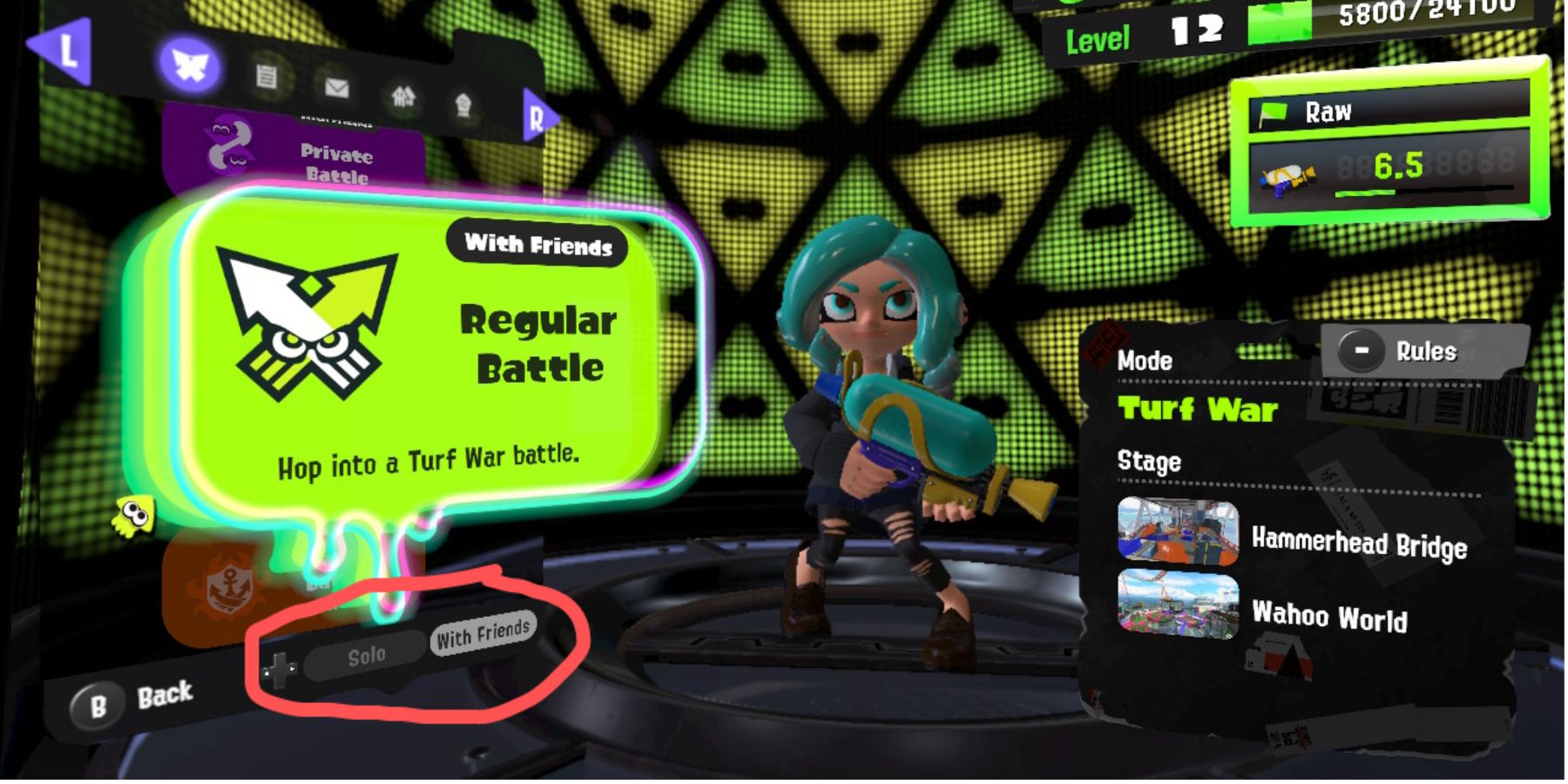
Friend Power is a less formally defined concept in Splatoon, often mentioned in discussions surrounding multiplayer play with friends. While not officially recognized as a distinct rating, it refers to the combined effectiveness or synergy of a team when playing together.
– Key Characteristics:
– Synergy-Based: Friend Power implicitly suggests that playing with friends can enhance your performance due to better coordination and teamwork.
– Influence on Matchmaking: In squad modes like League Battles, the overall Battle Power of your team will be considered for matchmaking, which indirectly connects to the idea of Friend Power. Teams with stronger synergy are likely to perform better, impacting their success in matches.
– Contexts of Use:
– Although in open modes you can team up with friends, your individual Battle Power primarily impacts matchmaking. Several players argue that playing with friends may lead to improved outcomes due to familiarity and strategy.
Summary Table
| Term | Meaning | Context |
|—————|——————————————————————————-|——————————————-|
| Battle Power | A numeric skill rating adjusted by wins/losses, used for matchmaking | Applies in Splatfest, League Battle, X Battle, Anarchy Battle, etc. |
| Friend Power | No official separate rating; usually refers to team synergy or power when playing with friends in squad modes | Influences team matchmaking and strategy indirectly; no explicit rating shown |
Conclusion
The matchmaking system in Splatoon, driven by Battle Power and the collaborative dynamics associated with Friend Power, aims to create fair and engaging gameplay experiences. By grouping players of similar skill levels and leveraging the benefits of teamwork, the game fosters an environment that values both individual skill and cooperative strategy. Whether you are battling solo or teaming up with friends, these metrics play a vital role in defining your competitive journey in Splatoon.
Leave a Reply