
In Splatoon’s multiplayer gameplay, environmental hazards play a crucial role in shaping the dynamics of each match. Understanding these elements can enhance player strategy and teamwork, allowing for more effective navigation and combat within the game.
Key Types of Environmental Hazards
1. Water and Ink-Resistant Surfaces
– Certain areas in maps feature water or other surfaces where players cannot swim or lay ink. These zones restrict movement options and force players to rethink their paths, as jumping into these areas can be perilous. Players must remain aware of their surroundings to avoid being caught unprepared.
2. Breakable or Movable Platforms
– Many maps include platforms that can either collapse underfoot or shift location, adding a layer of strategy to positioning. Players must assess the risk of standing on these platforms, as they can dramatically affect mobility and create sudden opportunities or threats during combat.
3. Hazardous Terrain
– Maps often contain environmental dangers such as lava pits or toxic sludge. Players must navigate around these harmful substances that can drain health quickly, leading to strategic engagements where baiting opponents into these dangers becomes a viable tactic.
4. Stage-Specific Mechanisms
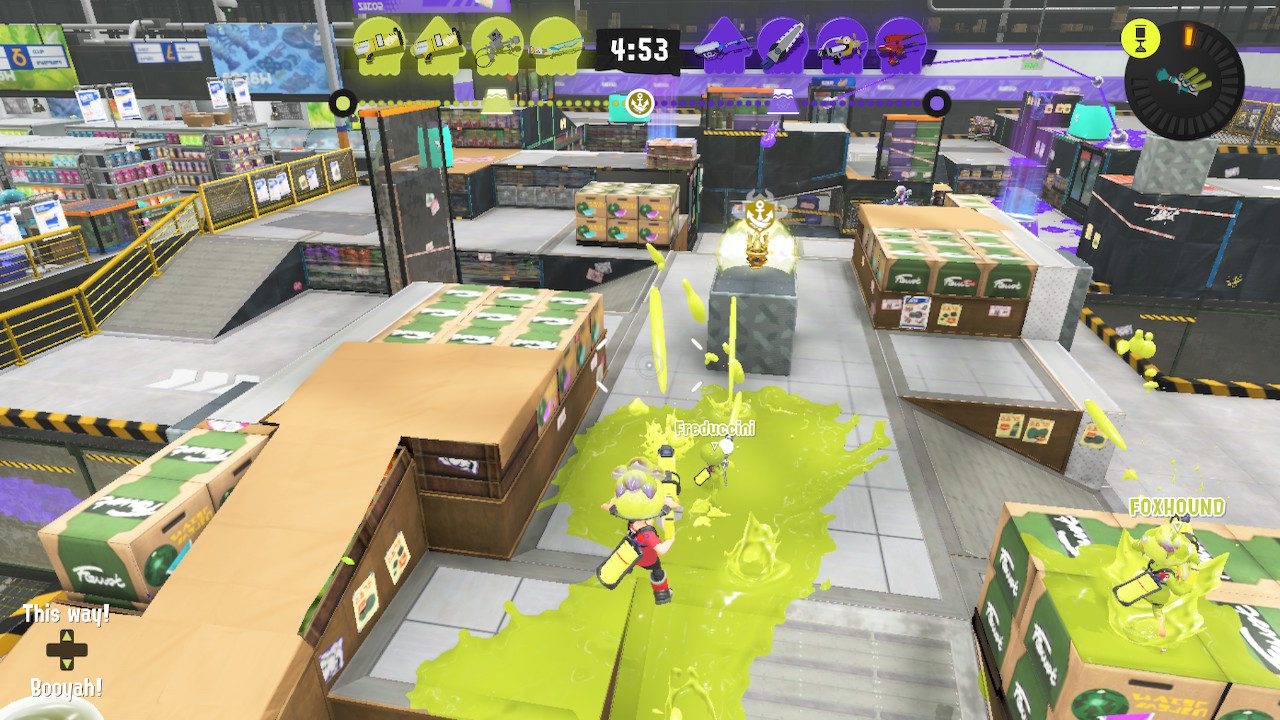
– Various stages are designed with interactive elements, including conveyor belts that transport players, gates that open or close, and machinery that could potentially push or trap players. Mastery of these mechanisms can turn the tide of battle, offering unique advantages and facilitating clever tactical plays.
5. Salmon Run Mode Hazards
– While not directly part of standard multiplayer, environmental challenges in Salmon Run, such as mud eruptions and giant tornadoes, present additional layers of difficulty. The increased enemy spawn rates in these modes also require players to adapt their strategies to survive under pressure.
Strategic Implications
The presence of these hazards necessitates cooperation and communication among team members. Effective strategies often involve leveraging the environment to one’s advantage while avoiding dangerous sections. Teams must adapt their tactics based on the unique characteristics of each map, recalling the specifics of layout and hazards is vital for success.
Understanding map dynamics not only enhances individual gameplay but also strengthens team synergy, making it crucial for players to familiarize themselves with each map’s hazards and opportunities. As players climb the ranks, mastering the interaction between environmental hazards and combat techniques can significantly influence the outcome of matches.
In conclusion, environmental hazards are integral to the gameplay experience in Splatoon, adding depth and complexity to match dynamics. Successful players recognize the importance of these elements and continuously adapt their strategies accordingly, making map knowledge a cornerstone of competitive play.
Leave a Reply