
Level design in Super Mario Maker is a refined art that merges creativity with mechanical understanding to create enjoyable and fair gameplay experiences. The principles that guide successful course creation are essential for keeping players engaged and challenged without becoming frustrated. Here’s a detailed breakdown of the key principles of effective level design in Super Mario Maker:
1. Simplicity and Clarity
Effective levels maintain simplicity and clarity, ensuring players know their immediate objective without confusion. Achieving this can involve the strategic use of visual cues:
– Visual Indicators: Utilize arrows, coins, and track pieces to guide players towards jumps or special actions, distinctly marking pathways and goals.
– Information Pacing: Gradually introducing new elements allows players to acclimate to mechanics without overwhelming them.
– Safety Barriers: Incorporating safe zones lets players experiment and learn through trial and error, which minimizes the risk of unfair failures resulting from sudden obstacles[1][3].
2. Teaching Through Gameplay
Good level design embraces a ‘teach by doing’ philosophy, fostering a natural learning curve:
– Safe Introduction Spaces: Early sections of a level should introduce new mechanics gently before escalating challenges.
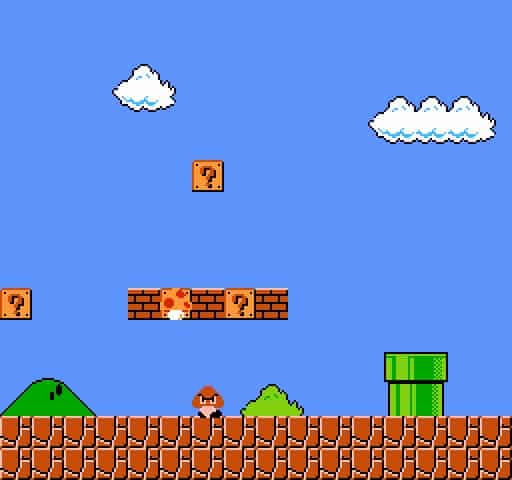
– Rewarding Progress: Players receive positive feedback (like power-ups or secret items) that incentivizes exploration and reinforces their success. For instance, hidden items can signify successful enemy interactions, enhancing understanding of game mechanics without explicit instructions[4][5].
3. Balanced Rewards and Punishments
A well-constructed level should provide a sense of achievement while conveying the gravity of mistakes:
– Skillful Play Incentives: Players should feel rewarded for using skill to navigate the challenges.
– Consequences of Errors: It’s critical to ensure that setbacks feel fair and informative rather than punitive. This balance fosters motivation and encourages continued play while avoiding excessive frustration[1].
4. Information Management and Fair Challenge
Given the fixed camera angle in Mario games, designers must prioritize proximity to key information:
– Close-Up Information: Important gameplay elements should be visible from the player’s vantage point to prevent unfair surprises.
– Safety Zones for Experimentation: Incorporating sections where players can test mechanics in a safe environment is essential for promoting a fair challenge, allowing them to learn without the risk of immediate failure[3].
5. Creativity Within Constraints
Once foundational design principles are mastered, designers can think outside the box while still adhering to core mechanics:
– Multiple Pathways: Offering varied routes can create a sense of exploration and replayability, encouraging players to experiment with different strategies.
– Ambiguous Solutions: Designing levels that can be approached in various ways encourages creative problem-solving among players, enhancing engagement through discovery[3].
6. Planning and Visualization
Effective level design is highly reliant on thoughtful planning and foresight:
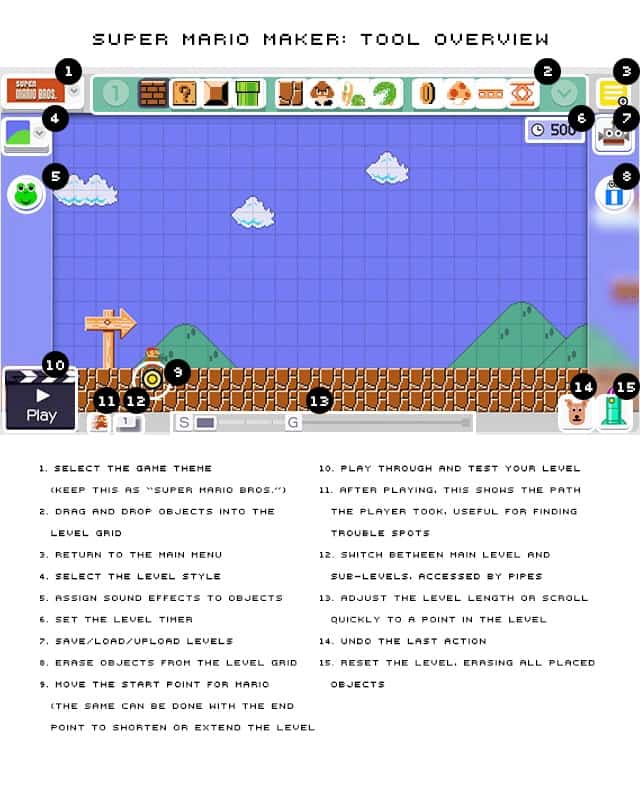
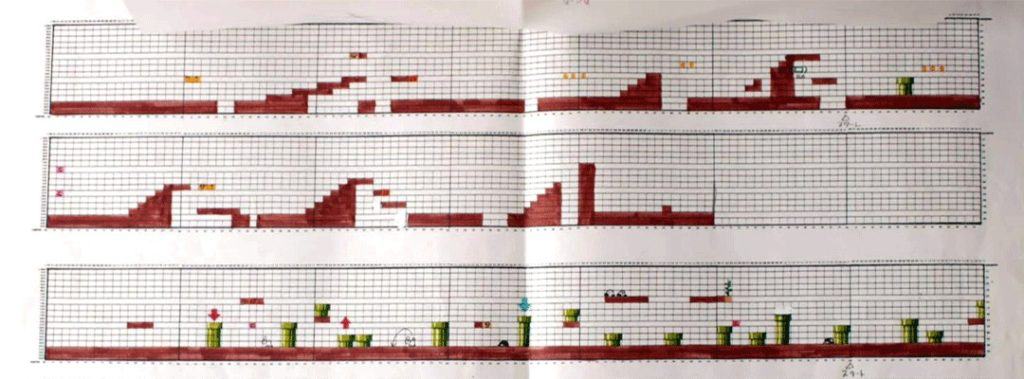
– Grid-Based Design: Utilizing a grid allows for precise placement of level elements, helping designers anticipate how players will interact with them.
– Consistent Difficulty: A well-planned layout ensures consistent difficulty levels throughout the course, preventing abrupt spikes that can frustrate players and disrupt the gaming experience[5].
Conclusion
The principles outlined above form the foundation of enjoyable and educational level design in Super Mario Maker. By focusing on simplicity, effective communication, balanced reward systems, and strategic information management, designers can create levels that support player learning while also challenging their skills. Ultimately, these principles not only enhance player experience but also foster a vibrant community of creators and players committed to the art of level design[1][3][4][5].
Leave a Reply