
In This War of Mine, both the video game and the board game require players to strategically manage their survivors’ assignments, particularly focusing on Guard Duty and Sleeping. These elements are vital for ensuring survival amid the harsh realities of war. Below is a thorough analysis of how these assignments function in each version of the game.
Video Game Version
Guard Duty
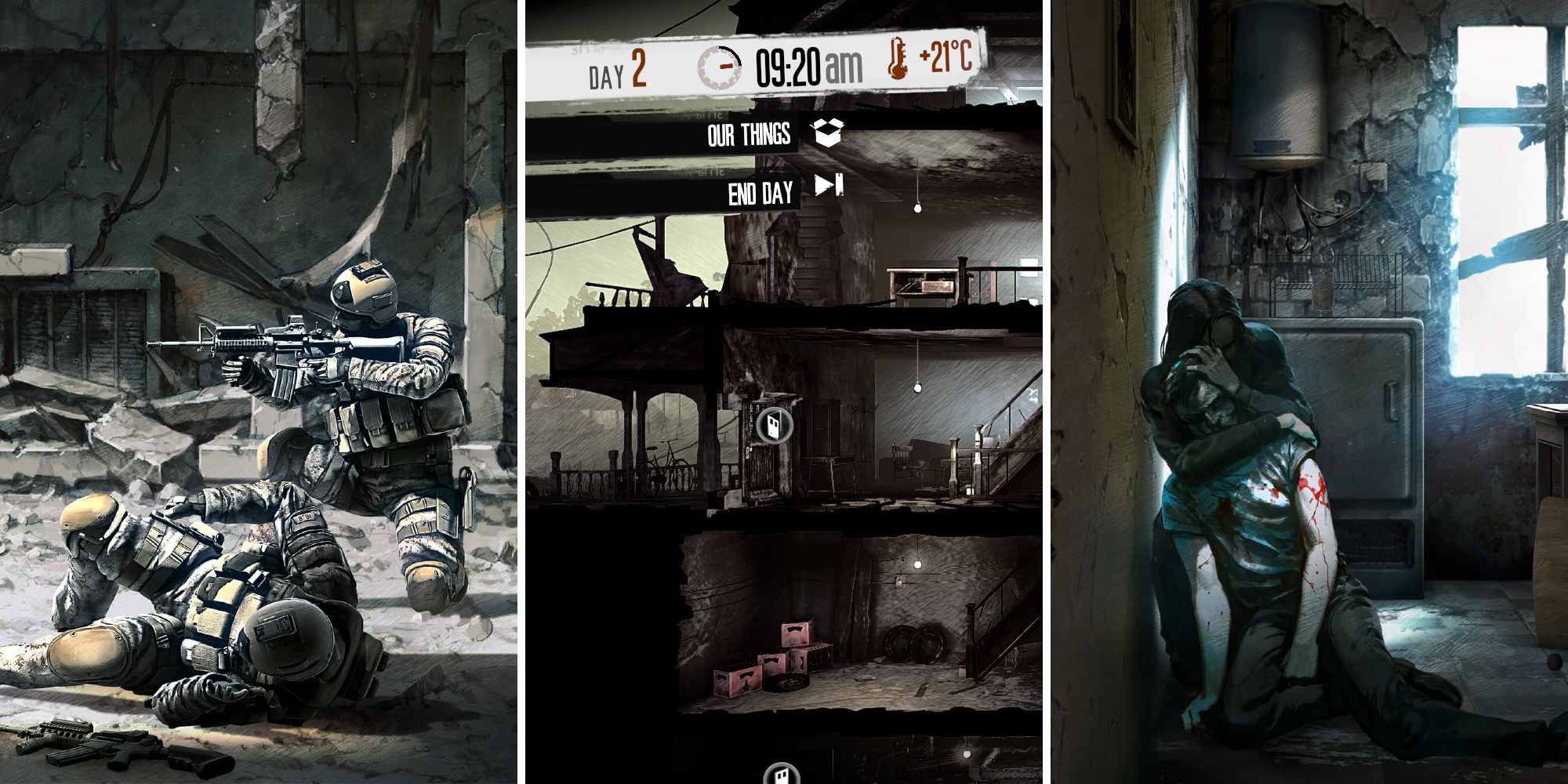
– Purpose: Guard Duty is critical for protecting the shelter from potential raids during the night. Players must assign a survivor to defend against intruders, making this a central aspect of resource protection.
– Impact on Survivors: Engaging in Guard Duty can lead to high levels of fatigue for the guarding survivor. This fatigue can impair their performance during the day, reducing their effectiveness in other necessary tasks such as scavenging for supplies and crafting.
– Unarmed Guards: If a character is unarmed during a guard shift, they face a significantly increased risk of injury during a raid. Additionally, their chances of being wounded are further heightened if the shelter is ill-equipped or if certain scripted events negatively impact the night.
– Armed Guards: Assigning a survivor with a weapon to guard duty decreases the likelihood of injury and resource loss during a raid. However, the emotional toll of seeing violence or enduring tense situations can negatively affect the character’s mood, which players must also manage to maintain morale within the group.
Sleeping
– Purpose: Sleeping is essential for recovering from fatigue and enhancing the physical and mental health of survivors. It enables them to regain energy lost through previous activities such as scavenging or Guard Duty.
– Impact on Survivors: Allowing survivors to rest is vital for maintaining their efficiency in subsequent tasks. Characters who do not receive adequate sleep may suffer from reduced actions and effectiveness, which can compromise survival odds.
– Strategy: Players typically alternate between assigning survivors to guard during the night and allowing them to rest during the day. This careful balancing act is crucial for managing fatigue levels and sustaining morale, ensuring that each survivor is prepared for future challenges.
Board Game Version
Guard Duty
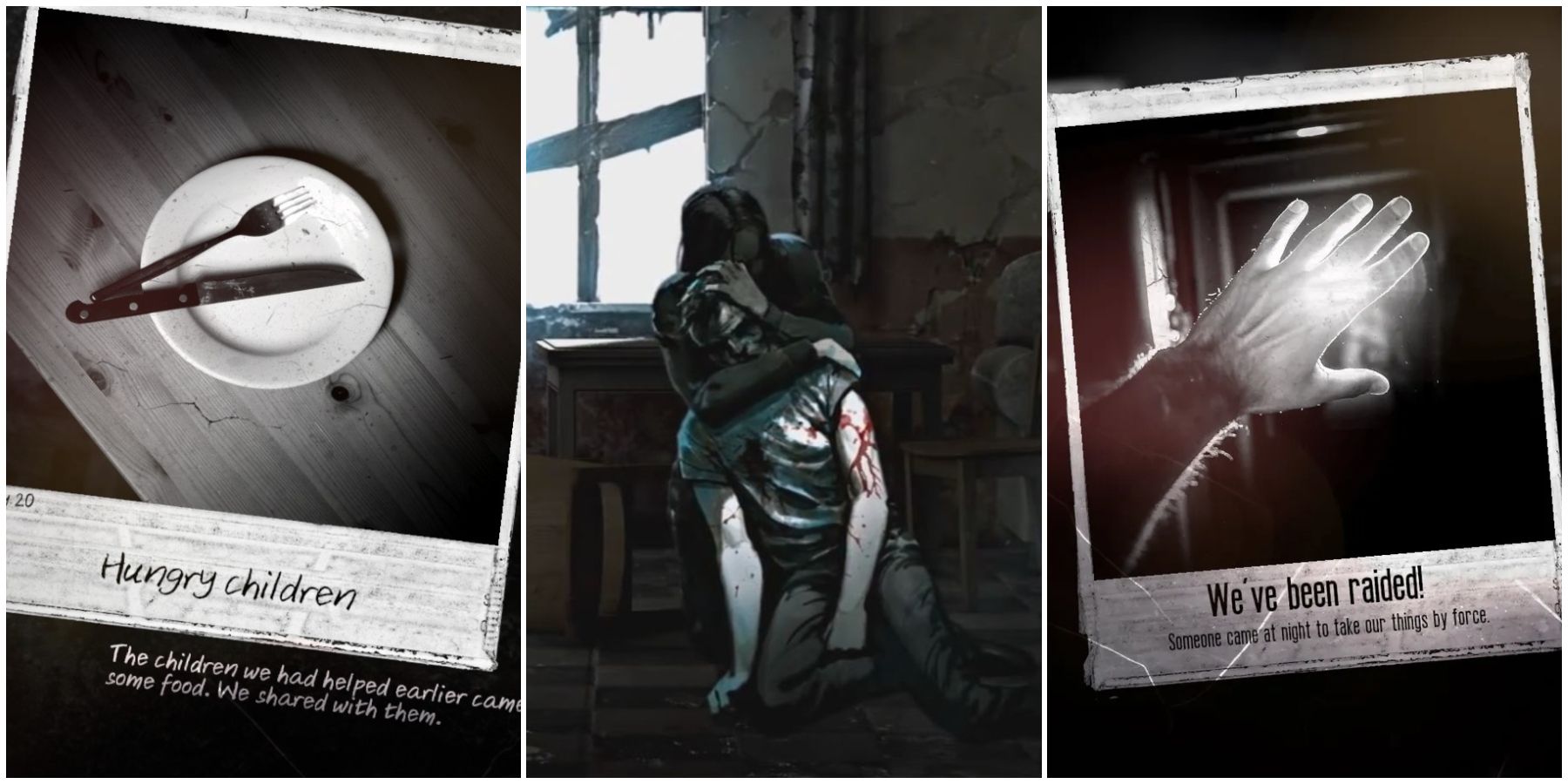
– Mechanics: In the board game, at least one character must be assigned to guard duty during the evening phase, which is necessary to defend the shelter from Night Raids.
– Impact and Consequences: If the guard duty is unsuccessful, survivors may suffer wounds. The severity of these wounds is determined by the Night Raid card drawn, as well as the effectiveness of the weapon the guard possesses.
– Use of Weapons: Characters on guard can utilize various weapons, such as hatchets or shotguns, to fend off attackers. However, using these weapons necessitates ammo; without it, the guard must rely on physical combat, which is less effective and riskier.
Sleeping
– Mechanics: Characters have the option to sleep in designated beds or on the floor during the evening phase. This action is key in helping them recover from fatigue accumulated during the day.
– Impact on Survivors: Failing to manage fatigue through proper rest can lead to severely reduced actions and performance in future rounds. Maintaining adequate rest is critical for ensuring that characters remain viable and effective within the game.
General Strategy
In both the video game and board game formats, finding the right balance between Guard Duty and Sleeping is paramount. Players must strategically decide when to emphasize defense against potential threats and when to prioritize resting, ensuring that their survivors remain healthy and focused. This delicate equilibrium is essential for the long-term survival of the group, highlighting the importance of thoughtful resource management in the face of adversity.


Leave a Reply